monday.com explains why AI agent orchestration matters for business workflows
One AI agent can draft the work, but orchestration decides what happens next. monday.com is betting that business workflows need coordination, not isolated outputs.
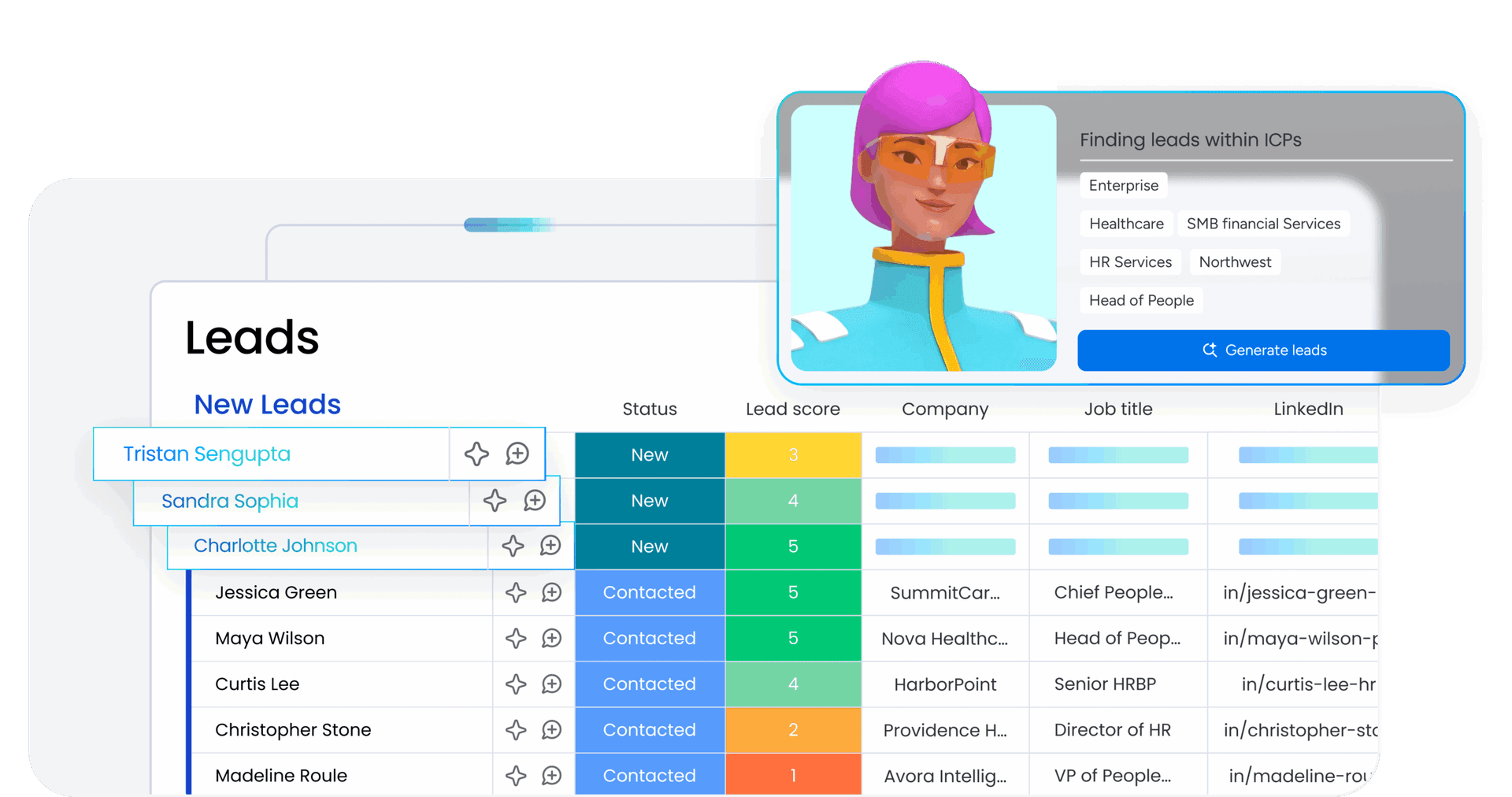
One AI agent can draft a response or summarize a ticket, but most business work still breaks at the handoff. monday.com is now arguing that the real value sits in orchestration, the layer that coordinates specialized agents, people, approvals, and exceptions across a workflow. That matters because enterprise buyers do not pay for isolated output, they pay for work that actually moves.
Why orchestration is the real enterprise layer
The core idea is simple: one agent gathers data, another distills it, another drafts the response, and a coordinating layer makes sure the right step happens at the right time. That is a better fit for real business work than asking a single agent to do everything at once, because most work crosses departments, systems, and decision points. When the workflow includes research, judgment, approvals, and follow-through, orchestration becomes the difference between a demo and something teams can rely on.
For monday.com engineers, that creates a hard product problem. The system has to maintain context across steps and boundaries, keep track of defined rules and priorities, and know when to hand control back to a person. For product managers, the lesson is just as clear: workflows need intentional orchestration patterns, not a pile of ad hoc automations that work only when the path is clean.
How monday.com is reshaping the platform around agents
monday.com said on May 6, 2026 that it was making "the most significant change in its history" by rebuilding the platform around people and agents working together to get work done. On May 14, 2026, the company said its customizable AI agents were officially available to customers. Taken together, those moves show that monday.com is no longer treating AI as a feature layer sitting beside work management. It is trying to become the operating layer where work itself is coordinated.
That strategy became even more explicit in the company’s March 11, 2026 announcement that external AI agents can sign up, authenticate, and operate directly within monday.com. In practice, that means the platform is not only producing outputs, but also serving as the place where human and AI actors collaborate inside live workflows. monday.com’s support documentation reinforces that model by saying monday agents work in context, monitor activity, make decisions based on defined rules and priorities, and execute tasks end to end within boards and workflows.
The rollout is not static either. monday.com says the AI agent builder is in gradual release, with availability expanding over time. For teams inside the company, that kind of staged launch signals a product category that is still being operationalized, which makes orchestration even more important because the platform has to work across uneven availability, varying customer readiness, and different workflow complexity.
Where orchestration matters most in daily work
The most useful way to think about orchestration is to start with the workflows where friction is already expensive. These are the places where handoffs pile up, someone has to chase status, or a task stalls because no single owner can finish it alone. monday.com’s framing is strongest when it turns AI from a novelty into a coordination problem that workers recognize instantly.
The common patterns are easy to spot:
- Cross-functional handoffs, where sales, support, operations, and finance all touch the same request.
- Multi-step customer requests, where one agent can gather the facts but another step still needs a human decision.
- Exception-heavy processes, where AI can move the routine work but people must stay in control when something unusual happens.
- Approval chains, where the output matters less than the routing, timing, and accountability around it.
That is why orchestration is not about replacing judgment. It is about reducing the manual coordination that creates drag. A coordinating agent can handle the routine handoffs while people keep control over the moments that require context, policy, or escalation.
What the shift means for engineers, product managers, and sales
For engineers at monday.com, this is a systems challenge as much as a product one. The platform has to support context persistence, decision rules, and task execution without losing the thread when work crosses a board, a workflow, or a department. Once external AI agents can join the system, the bar rises again because the platform also needs to manage authentication, boundaries, and governance.
For product managers, the practical lesson is to design around the work, not around the novelty of the AI. monday.com’s own AI vision in 2025 centered on three pillars, AI Blocks, Product Power-ups, and the Digital Workforce, which showed an early push toward layered AI capabilities. By 2026, that framing had evolved into AI agents embedded in collaboration, which is a more mature answer to a basic product question: what should the platform do, what should the agent do, and what must stay with a person?
For sales teams, the value proposition gets sharper when the conversation moves from output generation to end-to-end execution. Enterprise buyers are more likely to care when AI can coordinate research, reporting, and communication in one flow rather than generating disconnected drafts. That is especially important for monday.com because the platform’s story is now about a system that can help run the organization, not just a tool that makes one task easier.
Why the numbers back up the strategy
The financial backdrop shows that the AI shift is already tied to product momentum. In its first-quarter 2026 results, monday.com reported revenue of $351.3 million, up 24% year over year, and said it had more than 250,000 customers worldwide. The company also said the quarter included the launch of the AI Work Platform with native agents, along with a move toward consumption-based pricing as part of the new model.
That buildout did not come out of nowhere. In the fourth quarter and full-year 2025 results, monday.com said monday vibe was the fastest product to surpass $1 million in ARR in company history. In the third quarter of 2025, the company said new products accounted for more than 10% of total ARR. Those numbers matter because they show the AI push is already influencing the revenue mix, not just the product roadmap.
The company’s support materials add another layer to that picture by explaining the broader AI feature catalog and how AI credits are measured. That detail matters for buyers and internal teams alike because it shows monday.com is building both the product and the commercial model around AI usage. In other words, orchestration is not only a workflow concept. It is becoming part of how monday.com packages value, governs usage, and turns AI into something that can live inside real business operations.
This article was produced by Prism’s automated news system from verified source data, official records, and press releases, then run through automated quality and moderation checks before publishing. The system is built and supervised by the people who set the standards it runs under. Read our full AI policy.
Did this article answer your question?