Monday.com faces SaaS shift toward AI-native platforms and agents
AI is shifting SaaS from passive tools to active platforms, and monday.com now has to win on orchestration, governance, and control, not just features.
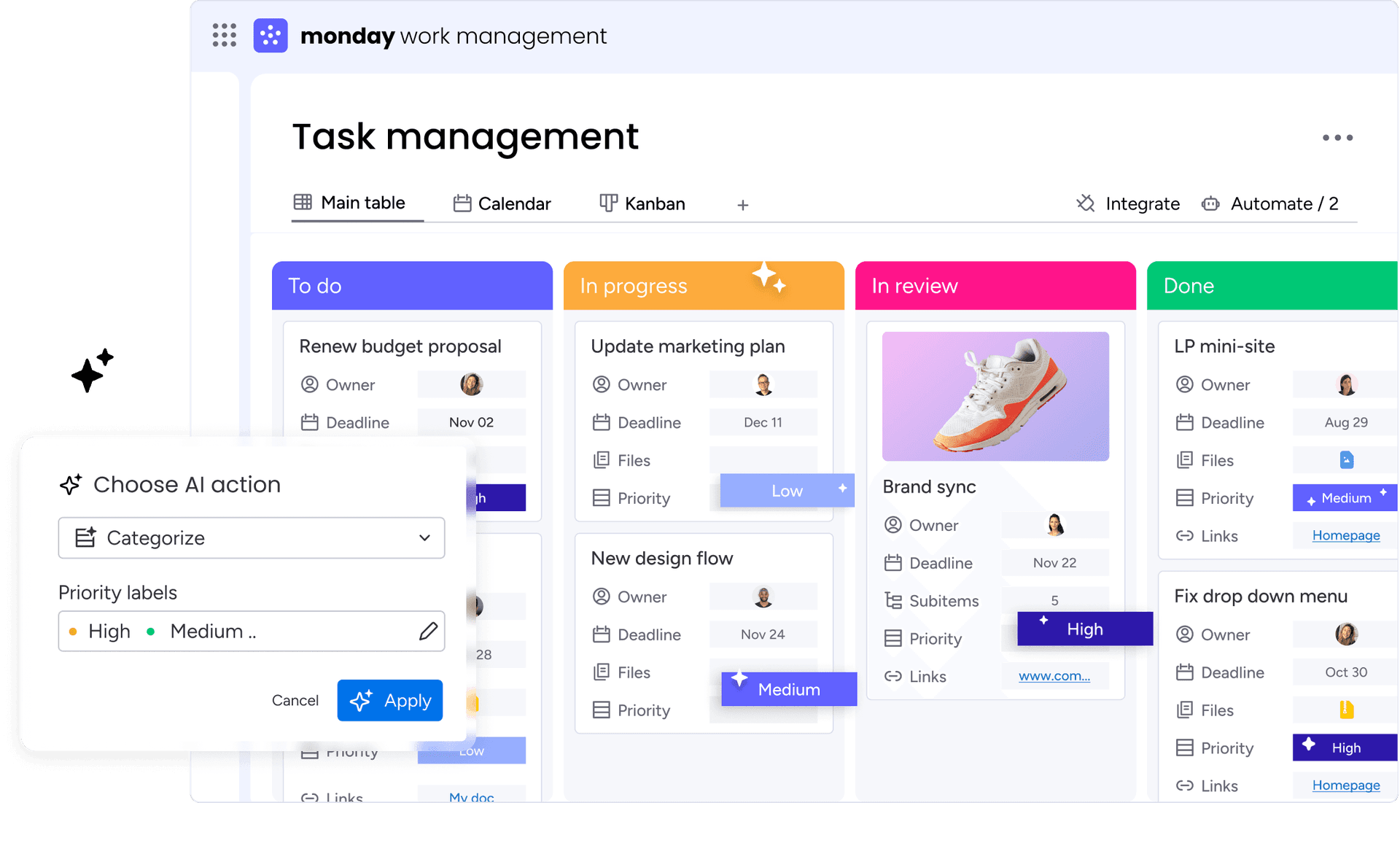
For monday.com, the buying test is changing: customers will expect AI-native systems, autonomous agents, and tighter control in the same package. The SaaS market is moving from software that helps people do work to software that can help do the work itself.
From feature lists to operating layers
The old SaaS pitch centered on how many tasks a product could support. That is giving way to a different standard: AI-enabled apps are no longer a differentiator, and platforms are overtaking point solutions. For monday.com, that means enterprise buyers will compare the product less on isolated features and more on whether it can serve as a trusted operating layer across multiple workflows, identities, and governance needs.
The modern software stack is no longer a stack of separate apps that each do one job well. Buyers now want a system that can coordinate across teams, systems, and permissions without forcing them to stitch everything together manually.
Governance is moving to the center
As SaaS becomes more AI-driven, unified management and control become more valuable, not less. That is the core change behind the current platform wave: customers want automation, but they do not want to lose visibility into what the software is doing, who approved it, or where decisions were made. A platform lets organizations govern more of the work in one place.
This is especially relevant for enterprise buyers that are tired of fragmented systems. Fewer point solutions means fewer places for data and decisions to split apart, and fewer gaps where no one can see how a workflow actually moved. For monday.com, this is the governance story that can sit underneath product strategy, security conversations, and enterprise sales.
What product teams have to rethink
AI changes more than the feature roadmap. It forces product teams to rethink pricing, packaging, adoption, and control at the same time, because the value of the product is shifting from static functionality to ongoing orchestration. A product that uses AI to recommend and execute work cannot be packaged exactly like a product that only stores tasks or routes approvals.
For engineers and product managers at monday.com, the AI layer cannot feel bolted on. It has to fit into the platform’s rules for identities, permissions, and workflow ownership, because the customer expectation is no longer just “does it work?” It is “can I trust it to act inside the systems I already run?” Teams have to think about rollout, guardrails, and admin control from the start.
What sales teams need to sell differently
Sales motion changes when buyers stop comparing point features and start comparing platforms. The strongest enterprise story is no longer about one workflow improvement in isolation, but about how monday.com can reduce sprawl and give leaders a single place to govern work across people and AI. That is a cleaner argument for organizations that are trying to limit the number of systems they have to monitor and secure.
This also changes how reps talk about adoption. The pitch is not simply that automation saves time. It is that automation can be introduced without fragmenting the company’s operating model, which is the fear many customers now have when they hear “AI” attached to another software purchase.
This article was produced by Prism’s automated news system from verified source data, official records, and press releases, then run through automated quality and moderation checks before publishing. The system is built and supervised by the people who set the standards it runs under. Read our full AI policy.
Did this article answer your question?