Monday.com frames CRM operations as the engine of revenue growth
CRM operations is the layer that turns messy customer data into revenue, faster handoffs, and clearer decisions for monday.com teams.
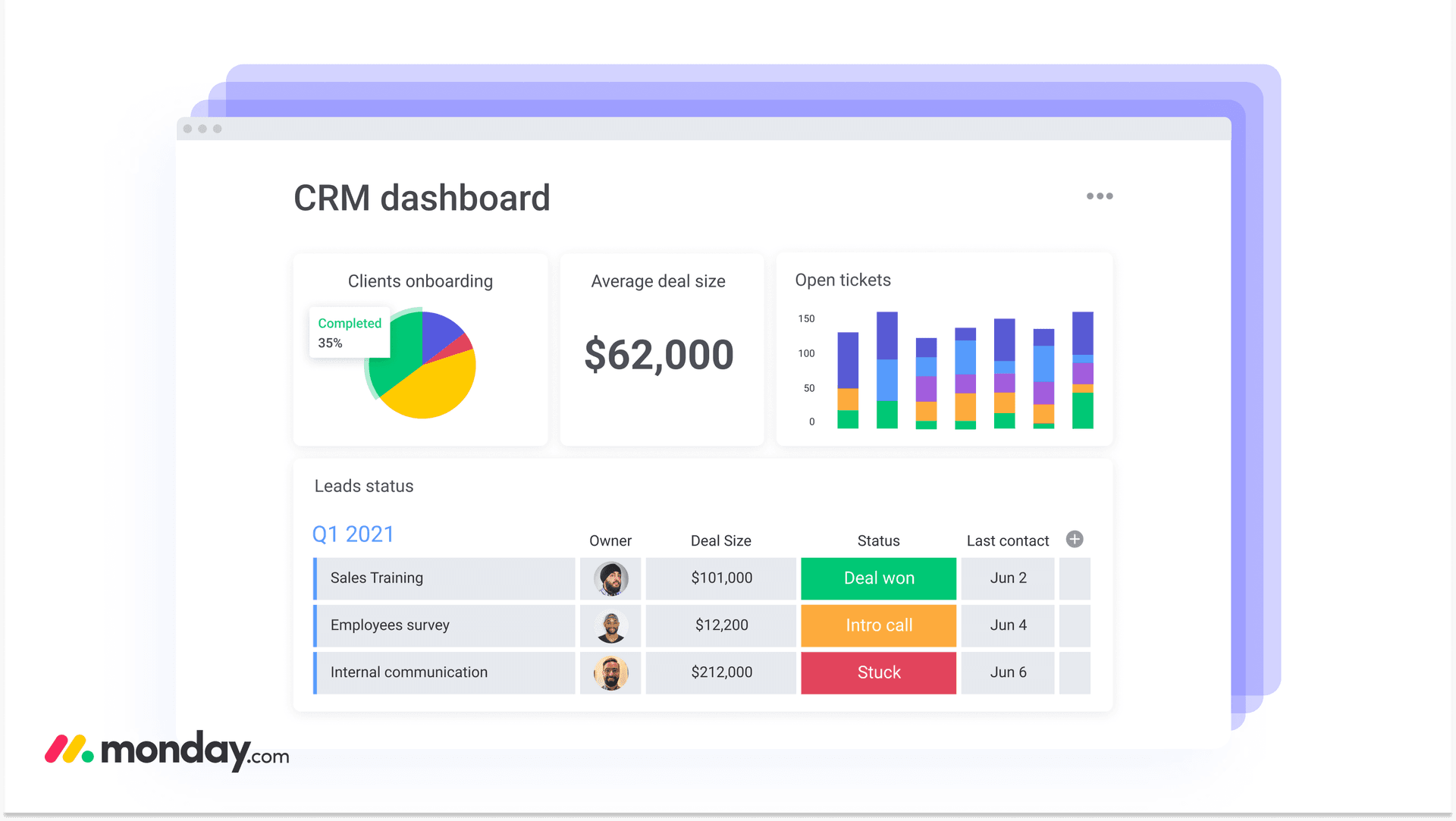
CRM operations is where customer data becomes daily work
CRM operations is not just another admin function. It is the strategic layer that turns raw customer information into action by cutting repetitive tasks, capturing every interaction, and showing revenue teams what is actually working. That is the key shift in how monday.com frames the subject: a CRM without operational discipline behaves like a digital filing cabinet, while a CRM with the right framework becomes a revenue-generating system.

That lens matters inside monday.com because a Work OS company depends on the quality of its own operating systems. If the internal machinery is messy, the product story loses credibility. If the machinery is clean, repeatable, and connected across teams, the company can speak with authority about scale, structure, and execution.
Why CRM operations changes the stakes
The business case for CRM operations is simple: structure is not overhead, it is what makes growth possible. When customer-facing teams rely on ad hoc notes, scattered updates, and inconsistent handoffs, the CRM stops being a tool for action and starts becoming a record of missed opportunity. CRM operations is what keeps that from happening by making sure the right data exists, the right people see it, and the right workflows move it forward.
That is why the operational questions in the guide matter so much. How quickly are reps responding? Are teams capturing every interaction? Is the customer experience consistent from one touchpoint to the next? Are automations reducing repetitive work or creating confusion? Those questions determine whether a CRM supports growth or merely documents it after the fact.
What breaks when CRM ops is missing
Without operational discipline, the problems are easy to recognize and expensive to ignore. Duplicate records cloud the pipeline, customer histories fragment across teams, and handoffs between sales, marketing, and customer success get slower and less reliable. Reporting becomes harder to trust, which means leaders spend more time reconciling data than acting on it.
That breakdown is especially damaging because CRM is supposed to create visibility. If the system cannot reliably capture interactions or show what is happening in the account, then revenue teams lose the common operating picture they need to move quickly. In practical terms, that means slower execution, weaker forecasting, and more room for mistakes to compound across the customer journey.
The hidden layer between sales, marketing, and customer success
CRM operations sits in the middle of the commercial engine. Sales needs clean records and timely follow-up. Marketing needs consistent data to understand which campaigns are producing real opportunities. Customer success needs a complete history so it can pick up where sales left off without forcing the customer to repeat themselves.
That middle layer is often invisible when it works well, which is part of why it is so valuable. The best CRM operations make the transition from lead to deal to renewal feel seamless. The worst ones expose every seam, and each broken handoff becomes a small tax on revenue, trust, and team morale.
What mature CRM operations actually do
A mature CRM operations program does not simply collect information. It turns customer data into a working system by removing repetitive tasks, standardizing how interactions are recorded, and making it obvious where the next action belongs. The point is not to add process for its own sake. The point is to make sure the process creates speed instead of friction.
In that model, automations are helpful only when they reduce manual work without obscuring what is happening in the pipeline. Structure supports scale when it helps teams act faster, not when it buries them in complexity. That distinction is why the guide treats CRM operations as a business system rather than a piece of software.
Why this lens fits monday.com
For monday.com employees, this is more than an abstract framework. Product managers can use it to think about where CRM workflows break and where users need clearer logic. Engineers can use it to understand why data models and automation rules matter so much, because the quality of the underlying system determines whether the product feels reliable or brittle.
Sales professionals can use the same lens to recognize what maturity looks like when a team is ready to scale. If the CRM is supporting daily action, surfacing what works, and reducing repetitive work, then the sales motion becomes easier to repeat. If it is not, then growth slows down under the weight of inconsistent data and bad handoffs.
The broader lesson for a Work OS company
The bigger message is that monday.com’s own story depends on operational discipline. A company that sells work management tools has to understand the operational layer that sits between information and execution. CRM operations shows why. It is the difference between a system that stores customer data and a system that helps teams make money with it.
That makes the guide useful in two directions at once. Internally, it sharpens how teams design processes and workflows. Externally, it gives prospects a practical way to judge whether their CRM is actually built for growth or simply keeping records. In a market where every team is being asked to do more with less, the companies that win will be the ones that treat CRM operations as core infrastructure, not cleanup work.
Know something we missed? Have a correction or additional information?
Submit a Tip