Monday.com guide links support maturity to customer retention and growth
monday.com is turning support maturity into a retention strategy. Its monday service product shows how tickets, SLAs and portals can protect revenue.
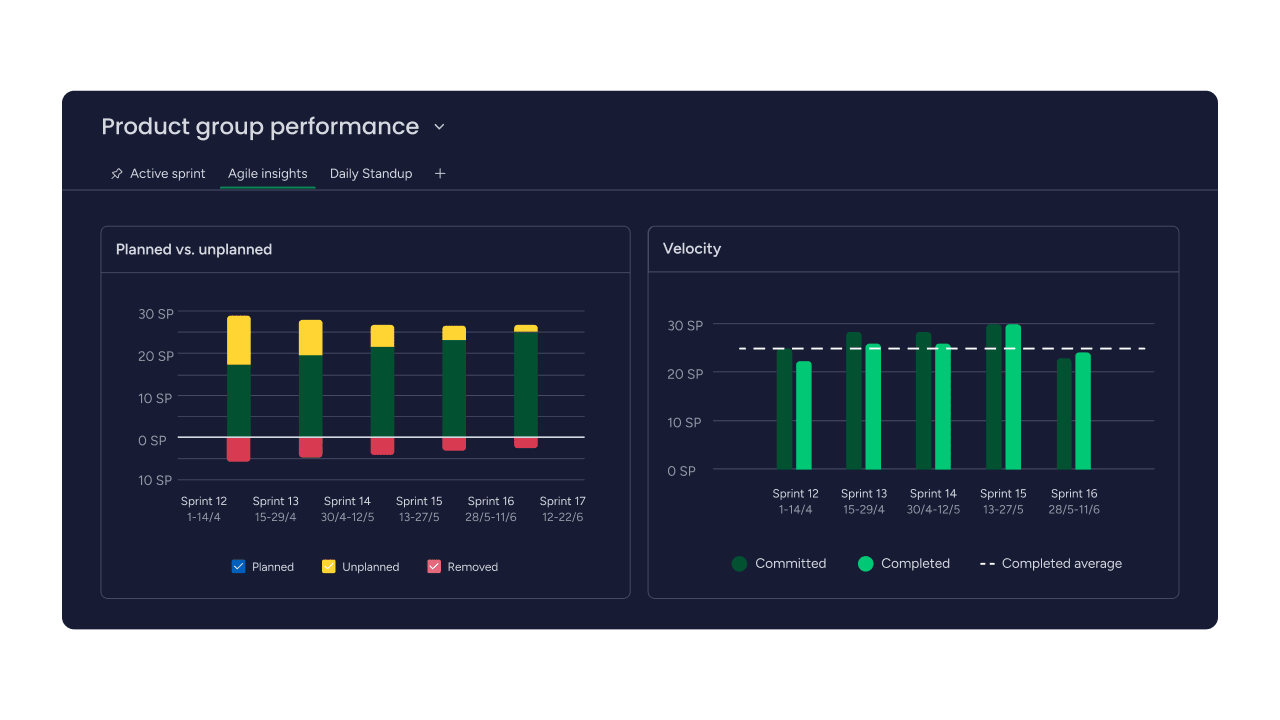
Customer support is no longer a back-office cleanup job at monday.com. The company is treating service management as part of the machinery that protects renewals, expands accounts, and keeps preventable failures from turning into churn. That shift matters in a business where enterprise customers above $50,000 in ARR represented 41% of total ARR at the end of 2025.
Service is now part of the buying decision
For a technology seller, service quality is not just about closing tickets faster. It shapes renewal decisions, influences churn, and colors how buyers talk about the product inside their own companies. That is why support maturity belongs in enterprise deals, not after them, and why sales, product, engineering, and customer success all have a stake in the same workflow.
The practical logic is simple. A billing issue, an API failure, a broken account setting, or a slow incident response does not stay inside support for long. It becomes a product experience problem, then a trust problem, then a revenue problem if the customer starts questioning whether the platform can scale with them. monday.com’s own framing of technology provider service management fits that reality: service is part of the revenue engine, not a separate help desk.
What monday service is built to do
monday.com launched monday service as an AI-first Enterprise Service Management platform and later said it moved out of beta and became available to all customers in 2024. The company said the product had already helped resolve more than 215,000 tickets since January 2024, which gives the platform real operational scale rather than just a concept deck.
The product is designed to centralize requests, automate workflows, and help teams resolve issues faster with AI agents, portals, and real-time insights. monday.com’s support center says monday service connects ticket management to cross-department collaboration and includes customer portals, channels, incidents, tickets, CSAT surveys, SLA tracking, and smart assignment. That mix matters because it pushes service beyond clock-watching and into orchestration, where the right issue reaches the right owner before the customer feels the drag.
Why enterprise scale raises the stakes
The retention argument becomes more urgent as monday.com’s customer base shifts upward. In its 2025 results, the company said fourth-quarter revenue reached $333.9 million, up 25% year over year, and full-year revenue came to about $1.23 billion. It also reported net income of $118.7 million for the year, with gross margin at 89%, showing that growth and profitability are moving together.
The enterprise mix is the key detail. monday.com said it had 4,281 enterprise customers with more than $50,000 in ARR as of Dec. 31, 2025, up 34% from 3,201 a year earlier. Those customers accounted for 41% of total ARR. When a larger share of revenue comes from bigger, more demanding accounts, every service failure carries more weight, and every smooth escalation creates more room for expansion.
The company also says more than 250,000 customers worldwide rely on its platform. That scale makes support architecture matter across the board, because a small improvement in how requests flow through the system can affect thousands of accounts at once.
What mature service looks like in practice
The strongest version of service management does not just measure how fast a ticket closes. It gives teams a way to see the full customer journey through self-service portals, intake channels, incidents, tickets, CSAT surveys, SLA tracking, and real-time insight. That is the difference between reacting to noise and managing customer experience with enough structure to spot recurring friction.
monday.com’s product page leans into that broader model, describing monday service as a way to automate workflows and use AI to surface work faster. For a SaaS company, that matters because speed without visibility can still leave customers frustrated. A portal that deflects simple requests, smart assignment that routes issues correctly, and CSAT feedback that shows where the experience is breaking all protect the relationship before a renewal conversation begins.
The category is also gaining legitimacy outside the company. Gartner Peer Insights lists monday service among IT service management platforms, which places it in the arena where enterprise buyers compare incident handling, request management, and service workflows. That is an important signal for a product that is trying to move service from a cost center into a repeatable operating system.
What it means inside monday.com
Chief product and technology officer Daniel Lereya has said service teams are still challenged by reactive problem-solving, manual workflows, and disconnected systems. That diagnosis lines up with the broader case for TPSM inside a modern SaaS company: if support, engineering, and customer success do not share a workflow, the customer experiences the gap even when each team is working hard.
For engineers, that means incidents and account-specific failures are not isolated operational events. For product managers, it means service data should feed the roadmap, because repeated friction is often a feature or workflow issue wearing a support ticket badge. For sales teams, it means support maturity is part of the buying decision, especially in enterprise deals where buyers expect confidence, transparency, and a path to quick resolution.
monday.com is not just writing about that shift. It is productizing it in monday service, and the company’s own growth profile shows why. As enterprise revenue becomes a larger part of the business, the link between service quality and retention becomes harder to ignore. In that setup, the fastest path to expansion is often the one where the customer never has to wonder whether support will hold.
This article was produced by Prism’s automated news system from verified source data, official records, and press releases, then run through automated quality and moderation checks before publishing. The system is built and supervised by the people who set the standards it runs under. Read our full AI policy.
Did this article answer your question?