monday.com guide says adoption, not launch, defines change success
Adoption is the real scoreboard at monday.com, where nonstop change demands repeatable rhythms, real-time feedback, and ownership that outlasts the launch.
monday.com’s own change guide lands on a blunt truth that too many workplaces still miss: shipping something is not the same as changing anything. In a company that now describes itself as an AI work platform and serves more than 250,000 customers worldwide, the distance between rollout and real use can decide whether a feature, process, or reorganization adds value or just adds noise.
Change is now part of the operating system
The guide frames organizational change management as a constant capability, not a one-time transformation project. That matters inside a fast-moving SaaS company like monday.com, where product launches, process changes, reorganizations, and AI rollouts can hit at the same time and compete for attention. The old model, where change arrived in discrete waves, no longer matches how work gets done.
That shift is more than semantics. It is a warning that teams cannot keep treating change as a campaign with a clean start and finish. If the operating environment keeps changing, the company needs a steady mechanism for explaining why the change matters, who owns it, what success looks like, and how feedback gets folded back into the next decision.
Launch is not success if no one changes behavior
The central message in monday.com’s guide is that adoption, not launch, defines success. A new process or product update only matters when people use it in daily work, which is especially relevant in a platform business where value depends on behavior across teams, not just on software being available.
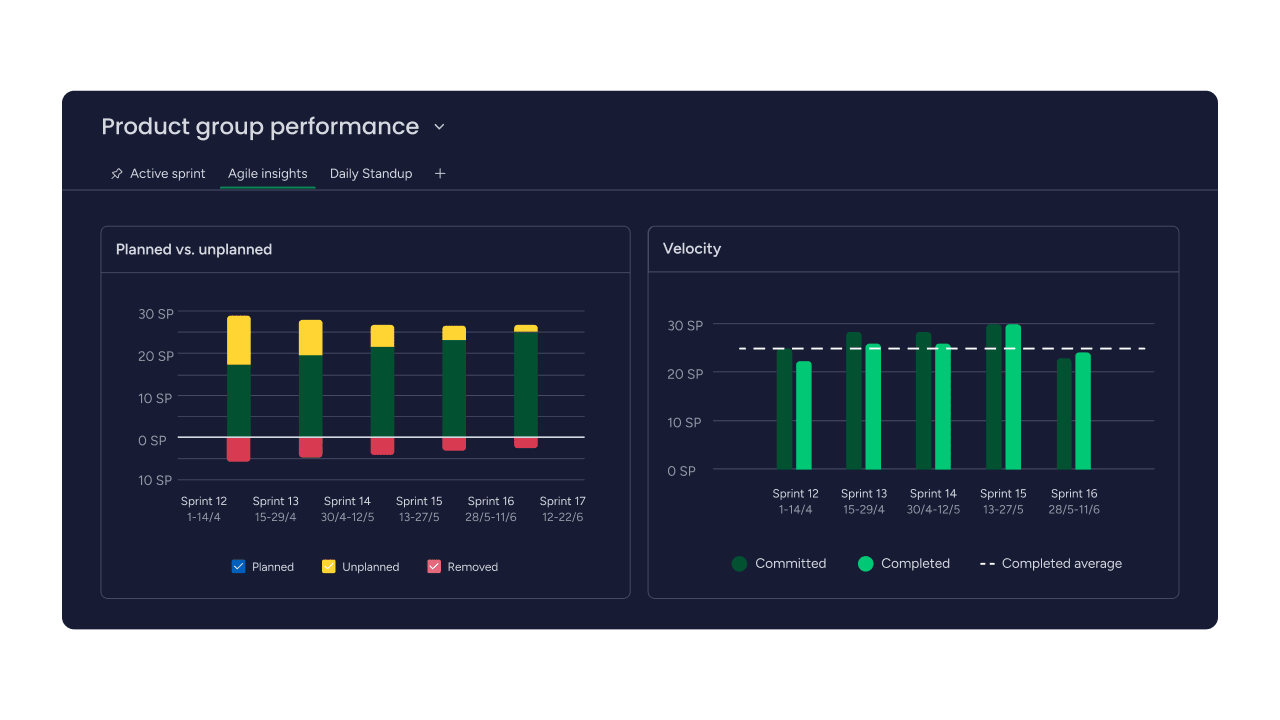
That is why the guide emphasizes tracking adoption, utilization, and employee sentiment in real time. Those three signals tell leaders whether a change is taking hold, stalling, or creating quiet resistance. For product managers, the takeaway is direct: a feature does not create value until teams alter how they work. For engineers, the same logic applies to rollout mechanics, observability, and feedback loops. If people cannot see what changed, understand why it changed, and report where it is breaking down, the launch may be complete while the adoption work has barely started.
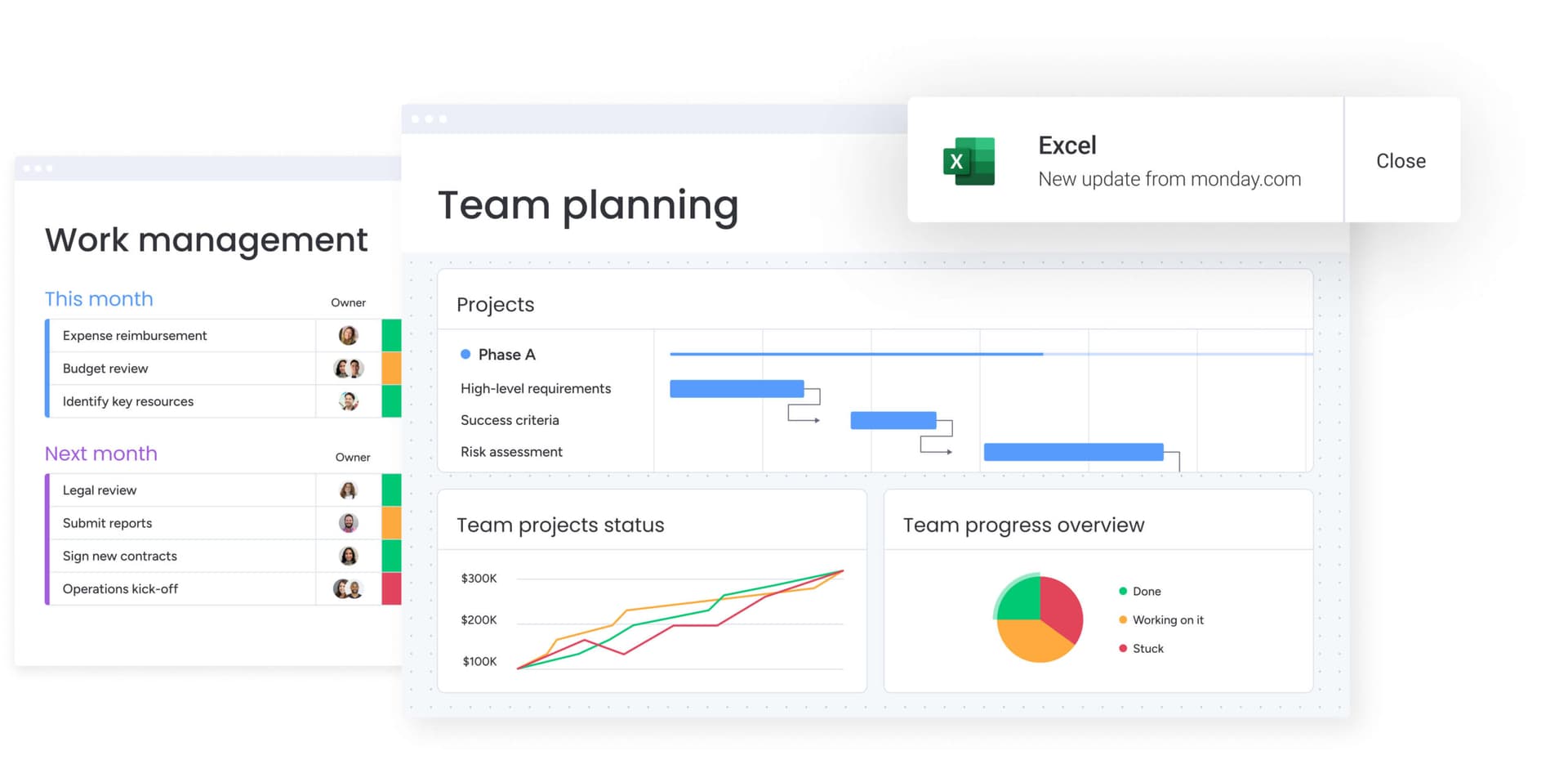
The guide also points to monday work management as a way to centralize change efforts and automate follow-through. That is where the company’s pitch becomes practical: create visibility across every initiative, keep ownership clear, and make sure tasks do not vanish once the announcement goes out.
Why the message hits harder at monday.com
This guidance matters more because monday.com is not a small shop experimenting with a few internal process tweaks. The company reported 27% revenue growth for fiscal 2025, fourth-quarter revenue of $333.9 million, and said customers with more than $50,000 in annual recurring revenue now represent 41% of total ARR. In a business growing at that scale, every new workflow or AI feature can ripple across thousands of teams and create a much bigger coordination problem than a single launch deck suggests.
The company’s own workforce policies point in the same direction. In its 2025 filing, monday.com said it maintains annual budgets for each business unit for employee education and training, and it said it has an internal mobility program. That is not a one-off transformation story. It is a sign that the company expects people to keep adapting, learning, and moving across roles as the business evolves.
For workers, that can be a useful signal and a warning at the same time. Ongoing education budgets and internal mobility can make a fast-growth environment more navigable, but they also confirm that the pace of change is not slowing down. If the company sells workflow orchestration externally while expecting constant reskilling internally, employees need more than optimistic messaging. They need repeatable systems that make change legible, manageable, and worth the effort.
The broader management backdrop is fatigue, not resistance
monday.com’s argument sits inside a wider management reality that other firms are also naming more openly. McKinsey says modern organizations face a more complex level of change than traditional change-management tools were built to handle, and it notes that people are exhausted. That matters because the problem is not just technical complexity. It is cognitive load.
When employees are already juggling their day jobs, every new initiative competes with unfinished work, standing meetings, and another round of process updates. The result is change fatigue, which is often mistaken for stubbornness. In practice, it is usually a sign that the organization has asked people to absorb too many shifts without enough clarity, pacing, or support.
Prosci’s research hub reinforces the same point from a different angle. It continues to benchmark change-management practices by industry, size, and revenue, and its 12th edition research reflects a benchmark tradition dating back to 1998. That longevity is important because it shows change management is not a temporary buzzword. It is a discipline built around measuring what works, comparing outcomes, and improving the mechanics of adoption over time.
What effective change looks like inside a SaaS workplace
For teams at monday.com, the practical lesson is to manage change like a system, not an event. That means building rhythms that repeat every time the company ships something new, reorganizes a team, or adjusts a process.
A workable model usually includes:
- Clear ownership, so every initiative has a named driver and no one is guessing who closes the loop.
- Repeatable communication, so people hear what is changing, why it matters, and when it affects them.
- Real-time visibility, so leaders can see adoption, utilization, and sentiment before problems harden.
- Feedback loops, so frontline signals reach product, engineering, and leadership fast enough to matter.
- Automation and centralized tracking, so follow-through does not depend on memory or heroics.
That approach fits a company selling work management software because the product promise and the internal discipline should look similar. The same system that helps customers coordinate work should also help the company coordinate change. Otherwise, the gap between the message and the daily reality gets harder to ignore.
The durable lesson
monday.com’s guide is strongest when it admits what modern work already feels like: change is no longer the interruption, it is the background condition. In that environment, success belongs to organizations that can turn launches into habits, habits into data, and data into better decisions. The companies that win will not be the ones that change the most loudly. They will be the ones that help people absorb change without burning out.
This article was produced by Prism’s automated news system from verified source data, official records, and press releases, then run through automated quality and moderation checks before publishing. The system is built and supervised by the people who set the standards it runs under. Read our full AI policy.
Did this article answer your question?