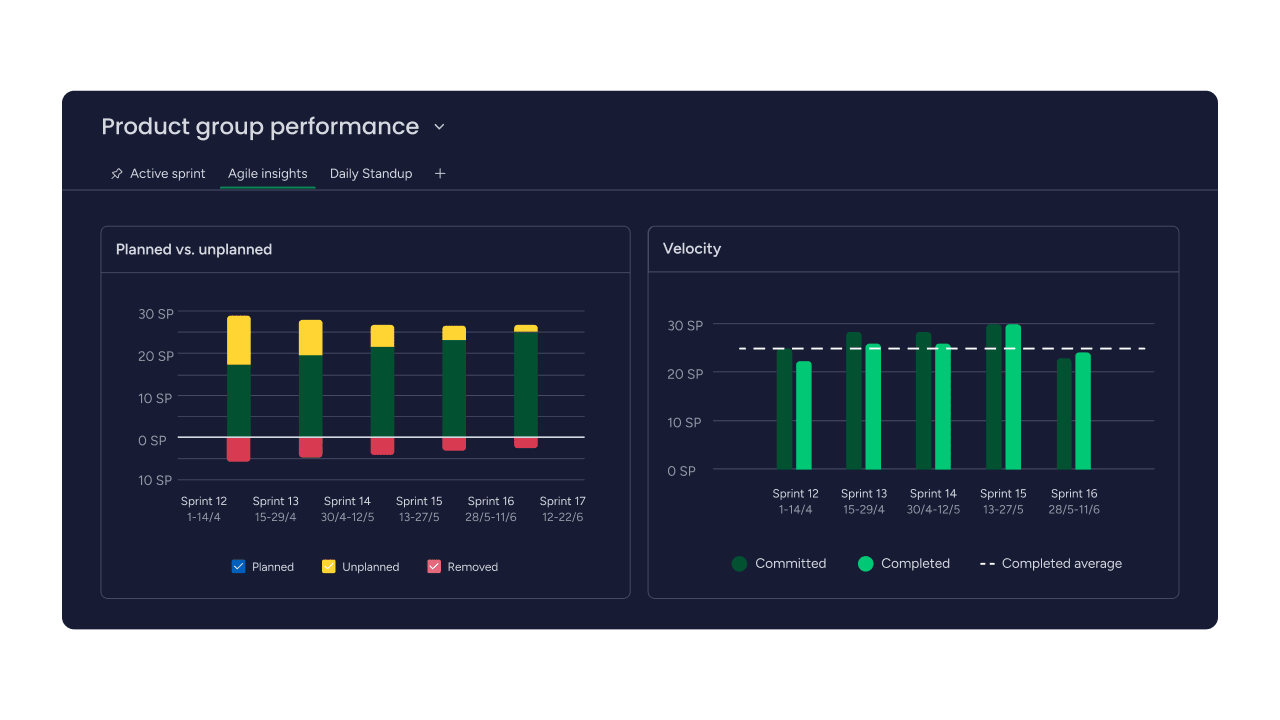
monday.com guide says AI and workflow discipline drive marketing revenue
monday.com’s new marketing guide makes a blunt case: AI only pays off when teams tighten workflows, approvals, and reporting from brief to revenue. That shift matters because genAI users are already seeing revenue lifts.
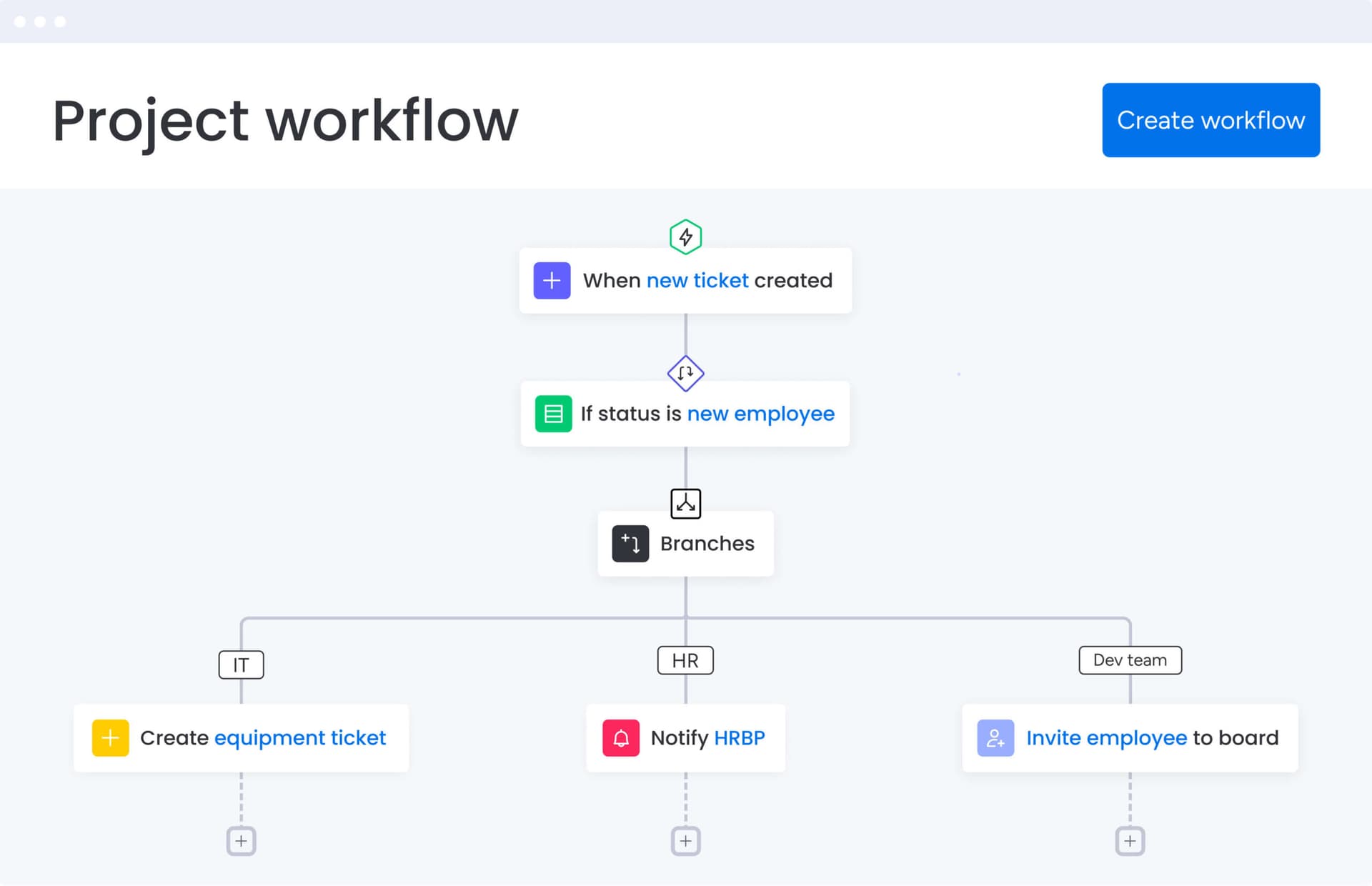
monday.com’s latest marketing guide is less about flashy creativity than about operational discipline. The core message is simple: campaign performance now depends on how well teams coordinate briefs, approvals, reporting, and handoffs, and AI only matters if it sits inside that system instead of floating above it as a slogan.
AI is no longer the point, execution is
The guide frames AI as a central part of marketing execution, but it does not treat automation as a shortcut around the hard work of operating a revenue team. Instead, it argues that structured processes, clean data, and centralized visibility are what let marketing teams move quickly without breaking consistency. That is a useful correction for anyone inside monday.com who has watched every department start claiming to be “AI-powered” while still struggling with fragmented workflows.
For product managers, that framing is especially relevant. Marketing is becoming more data-rich and more automated, which means the expectation is no longer just for more features or more integrations, but for systems that can carry context from one stage of work to the next. For sales teams, the implication is even sharper: the boundary between campaign operations and pipeline generation is getting blurry, and marketing is increasingly judged by whether it can produce revenue-ready demand, not just engagement.
Workflow discipline is the competitive edge
What makes the guide stand out is its insistence that better outcomes come from better operating habits, not simply more content or more ad spend. The practical advantage comes from a team’s ability to plan work cleanly, coordinate stakeholders, measure results in real time, and adjust fast enough to matter. That is the kind of discipline that turns AI from a novelty into an accelerant.
The guide’s emphasis on marketing operations is important because it reflects how modern teams actually work. Campaigns are rarely single events now. They are ongoing systems of approvals, assets, performance checks, customer signals, and follow-up work, all of which need to stay aligned if the team wants to scale without losing control. monday.com’s argument is that a centralized platform reduces silos and improves visibility, which is exactly the kind of infrastructure revenue teams need when speed and precision have to coexist.
The revenue case is already showing up in the numbers
The strongest business case in the guide is the statistic that 66% of respondents whose organizations used genAI in marketing and sales reported revenue increases in that function over the prior twelve months. That matters because it moves the conversation beyond experimentation and into measurable business impact. It also gives marketers a much more concrete way to evaluate AI tools: not by whether they sound impressive, but by whether they improve the line from work done to revenue earned.
That finding lines up with broader research from McKinsey & Company. In its 2025 state-of-AI survey, 88% of respondents said they use AI regularly in at least one business function, but most organizations are still in pilot or experimentation mode rather than full-scale deployment. McKinsey also found that revenue gains from genAI are most commonly reported in marketing and sales, strategy and corporate finance, and product and service development. In other words, the functions most tied to growth are also the ones most likely to benefit when AI is paired with operational rigor.
Why personalization and AI search are changing the job
The guide also points to personalization and AI search as forces reshaping customer engagement, and that has direct consequences for how teams build campaigns. Personalization raises the bar on data quality and coordination because the message has to reflect customer context, not just audience segments. AI search adds another layer of pressure, because discoverability is no longer just about traditional search optimization or distribution through a single channel.
For marketers inside monday.com, that means the work is moving closer to systems design. A campaign has to be built so it can adapt across channels, preserve context, and still be measured clearly enough to tell whether it drove demand. That is why the guide keeps returning to centralized platforms and full-funnel strategy. It is not saying every campaign needs more complexity. It is saying the complexity already exists, and the teams that organize it better will win.
monday.com is presenting its own platform as proof
The timing matters because monday.com is making the same argument about its own business. In its first-quarter 2026 results, the company said revenue reached $351.3 million, up 24% year over year, and described itself as an AI work platform. It also said it had launched an AI Work Platform with Native Agents, signaling that the product story is now tied to how work gets orchestrated, not just how tasks get tracked.
That matters for employees across the company, especially engineers, product managers, and sales professionals. The platform story only works if the product can support the kind of workflow governance the marketing guide describes: clear ownership, reliable handoffs, strong reporting, and enough flexibility for teams to move quickly without losing control. monday.com Investor Relations also says the company now serves over 250,000 customers worldwide, which raises the stakes. At that scale, customers are not just buying software. They are buying a way to keep people, workflows, and AI agents aligned.
What the guide really signals for the market
The larger lesson is that AI is becoming a feature of the operating model, not a separate layer on top of it. The companies that treat it as a marketing shortcut will keep producing disconnected pilots and vague announcements. The companies that pair it with governance, centralized workflows, and full-funnel execution will have a real shot at revenue impact.
That is the competitive edge monday.com is pointing toward: not more automation for its own sake, but a tighter system for turning work into outcomes. In a market where AI adoption is spreading fast but scaling remains hard, that distinction is likely to matter more than any single campaign tactic.
This article was produced by Prism’s automated news system from verified source data, official records, and press releases, then run through automated quality and moderation checks before publishing. The system is built and supervised by the people who set the standards it runs under. Read our full AI policy.
Did this article answer your question?