Monday.com guide says high-performing teams need structure, not chemistry
Strong teams are built on clear ownership and visible work, not office chemistry. monday.com’s own playbook makes the case for structure as AI reshapes how collaboration gets done.
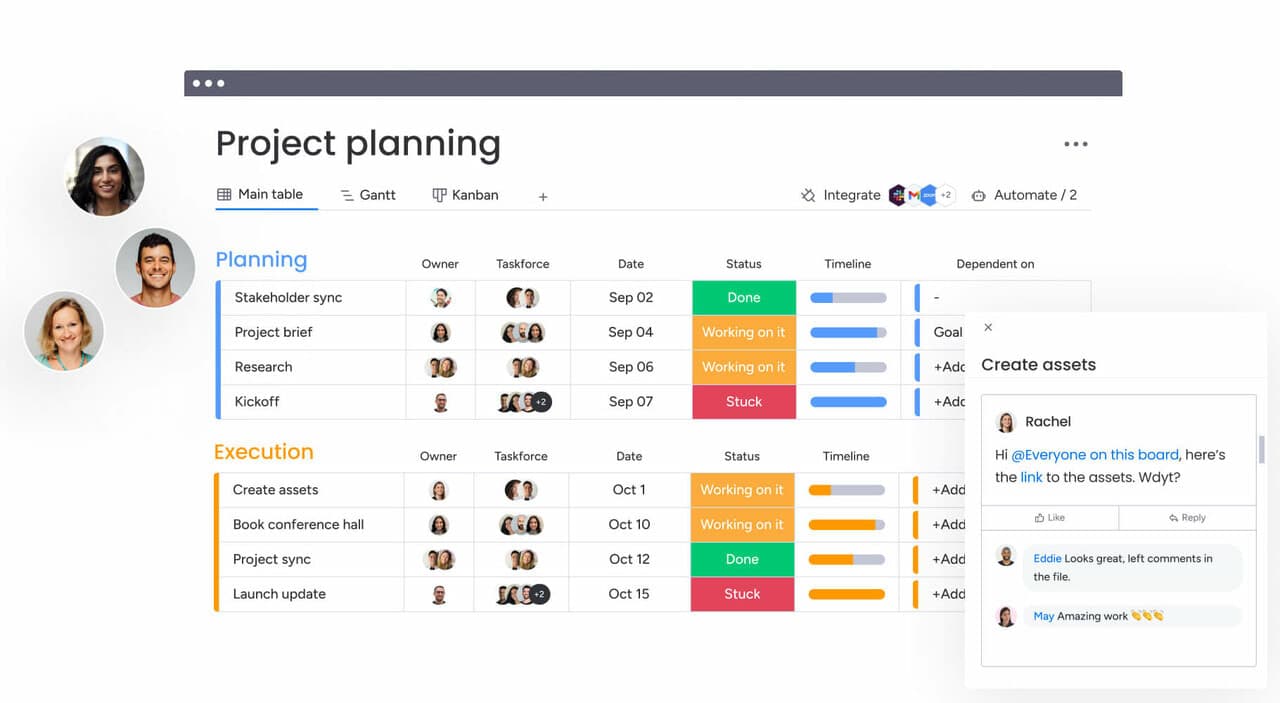
High-performing teams rarely fail because people are not friendly enough. They fail when goals blur, ownership gets fuzzy, and work disappears into private chat threads instead of a shared operating system. monday.com’s 2026 team guidance pushes against the old chemistry myth and makes a cleaner argument: teams work when structure makes collaboration legible.
Why chemistry is the wrong operating system
The key distinction is simple but important. A working group can divide tasks and move on, but a real team shares goals, depends on one another’s output, and holds itself mutually accountable for results. That difference matters more in a company like monday.com, where product, engineering, and sales all have to move in the same direction while serving customers who want less friction, not more process theater.
Chemistry may help people enjoy the work. It does not tell anyone who owns what, when decisions are made, or how progress is measured. In distributed and fast-moving organizations, the teams that perform well are the ones that make expectations explicit and keep the work visible enough that nobody has to guess.
The structure that actually holds a team together
The practical ingredients are less romantic than a culture poster, but far more useful. Shared goals keep the group pointed at the same outcome. Clear ownership makes it obvious who is responsible for which piece of the job, while transparent communication reduces the time wasted decoding status, blockers, and handoffs.
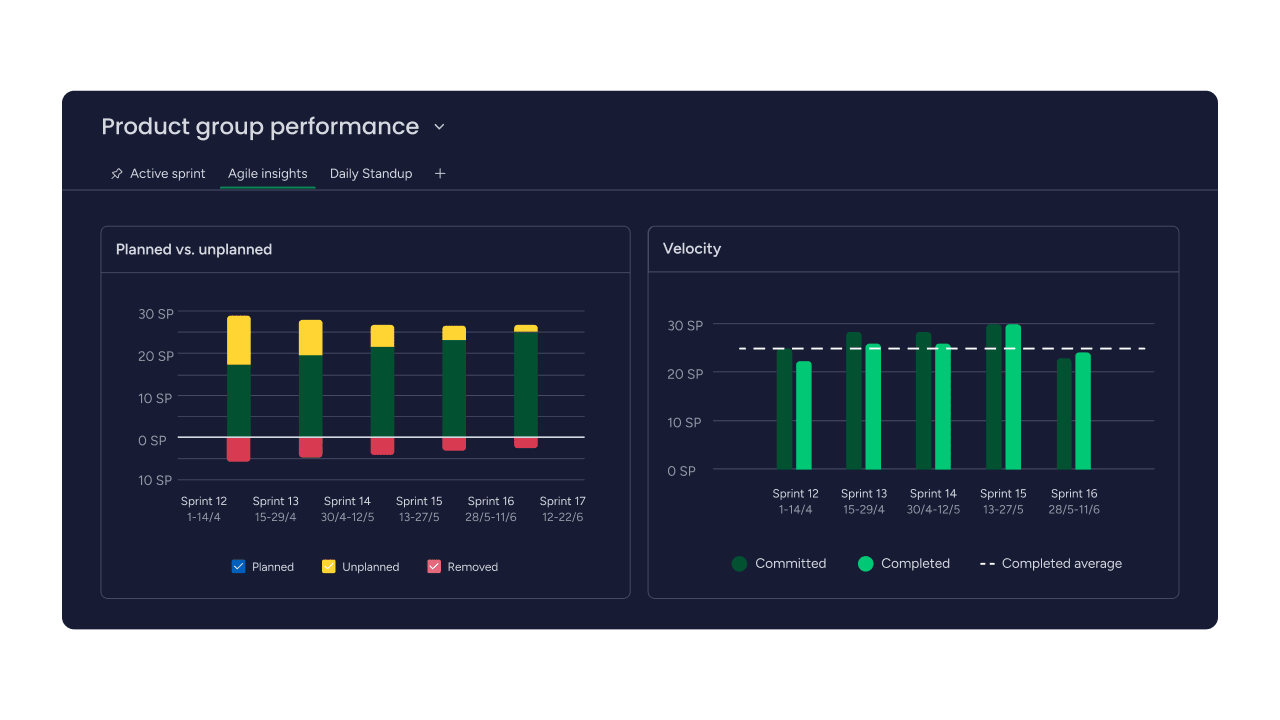
Trust and psychological safety still matter, but not as soft slogans. They are the conditions that let people surface problems early, challenge bad assumptions, and admit uncertainty before it becomes a missed deadline or a broken customer promise. Continuous improvement also matters, which is why visible metrics and retrospectives belong in the same conversation as team culture. If you do not review how the work is flowing, you are not managing a team, you are just hoping for one.
For managers, that creates a useful vocabulary. Instead of asking whether a group has good vibes, ask whether the goals are shared, the roles are crisp, the cadence is predictable, and the work can be inspected. For individual contributors, it is a reminder that strong collaboration does not mean being agreeable at all times. It means knowing the outcome, knowing your lane, and knowing how your work connects to someone else’s.

Why monday.com is writing this now
This is not an abstract management essay for monday.com. The company says it has more than 250,000 customers worldwide, so its product story depends on helping organizations coordinate real work at scale. When monday.com frames teamwork as a system of clarity and accountability, it is also describing the value proposition of the platform itself.
That becomes even more relevant as the company positions itself as an AI work platform rather than just a work-management tool. In May 2026, monday.com said it was rebuilding the platform around people and AI agents working together, a shift it described as the biggest in its history. The company said those agents can draft campaigns, qualify leads, close support tickets, onboard new hires, and process purchase requests under human supervision.
The financial backdrop shows why this message lands. monday.com said fiscal 2025 revenue grew 27%, and fourth-quarter revenue reached $333.9 million. For engineers, product managers, and sales teams inside the company, that scale means the teamwork model is not just an internal philosophy. It is the thing being packaged, sold, and expanded across customers who are trying to coordinate more work with fewer handoffs.
AI does not remove teamwork. It makes structure more visible
The most interesting part of monday.com’s framing is that AI is not presented as a replacement for collaboration. It is presented as a way to remove administrative drag so people can focus on higher-value work. That matters because a lot of so-called team dysfunction is really workflow dysfunction: repeated status checks, duplicated updates, manual follow-ups, and endless back-and-forth over who is doing what.
The company’s May 2026 messaging put numbers on the gap. It said enterprises have broadened AI access by 50%, but only 25% have moved 40% or more of their experiments into production. It also said just 34% of companies are using AI to transform their businesses deeply. The implication is hard to miss: plenty of organizations are experimenting, but far fewer have turned AI into a real operating habit.
That is where the teamwork lesson becomes practical. If AI is going to help teams at monday.com or its customers, it has to show up inside a system with clear ownership, shared goals, and visible work. Otherwise, it just becomes another layer of noise.

Google’s Project Aristotle still points in the same direction
monday.com’s argument is not happening in a vacuum. Google’s Project Aristotle was built to answer the question of what makes a team effective, and Google’s team-effectiveness materials say the research focused on memberships, relationships, and responsibilities. That framing lands in the same place as monday.com’s guide: team performance is not mainly about personality fit. It is about how the work is organized.
Google later emphasized psychological safety and hybrid-working norms as important to effective teams, which reinforces the point that culture alone is not enough. Reliability writing from Google has made a similar argument, treating reliability as a matter of organizational mindset as much as technical design. For a workplace audience, the overlap matters because it shows this is not a passing management fad. It is a long-running answer to the same basic question: how do smart people produce consistent results together?
What this means inside monday.com
For monday.com employees, the lesson is especially direct because the company sells the very conditions it is describing. Engineers need visible work so dependencies do not get lost in the shuffle. Product managers need role definition so priorities do not get negotiated endlessly after the sprint starts. Sales teams need a shared cadence so pipeline, product changes, and customer commitments stay aligned.
That is also why the article works as a rebuttal to chemistry-first thinking. In a remote-first or hybrid environment, teams do not win by being the closest people in the room. They win by making work inspectable, roles understandable, and decisions fast enough to match the pace of a SaaS business.
The deeper point is that teamwork in 2026 is becoming more system-like, not less human. The best teams still need trust, but trust now has to travel through dashboards, handoffs, retrospectives, and AI-assisted workflows. At monday.com, that is not a philosophical luxury. It is the operating model.
This article was produced by Prism’s automated news system from verified source data, official records, and press releases, then run through automated quality and moderation checks before publishing. The system is built and supervised by the people who set the standards it runs under. Read our full AI policy.
Did this article answer your question?