Monday.com guide says ITIL release management can speed safe deployments
Release speed is not the enemy of control. monday.com’s own playbook shows that approvals, rollback plans, and visibility are what keep fast shipping from turning into chaos.
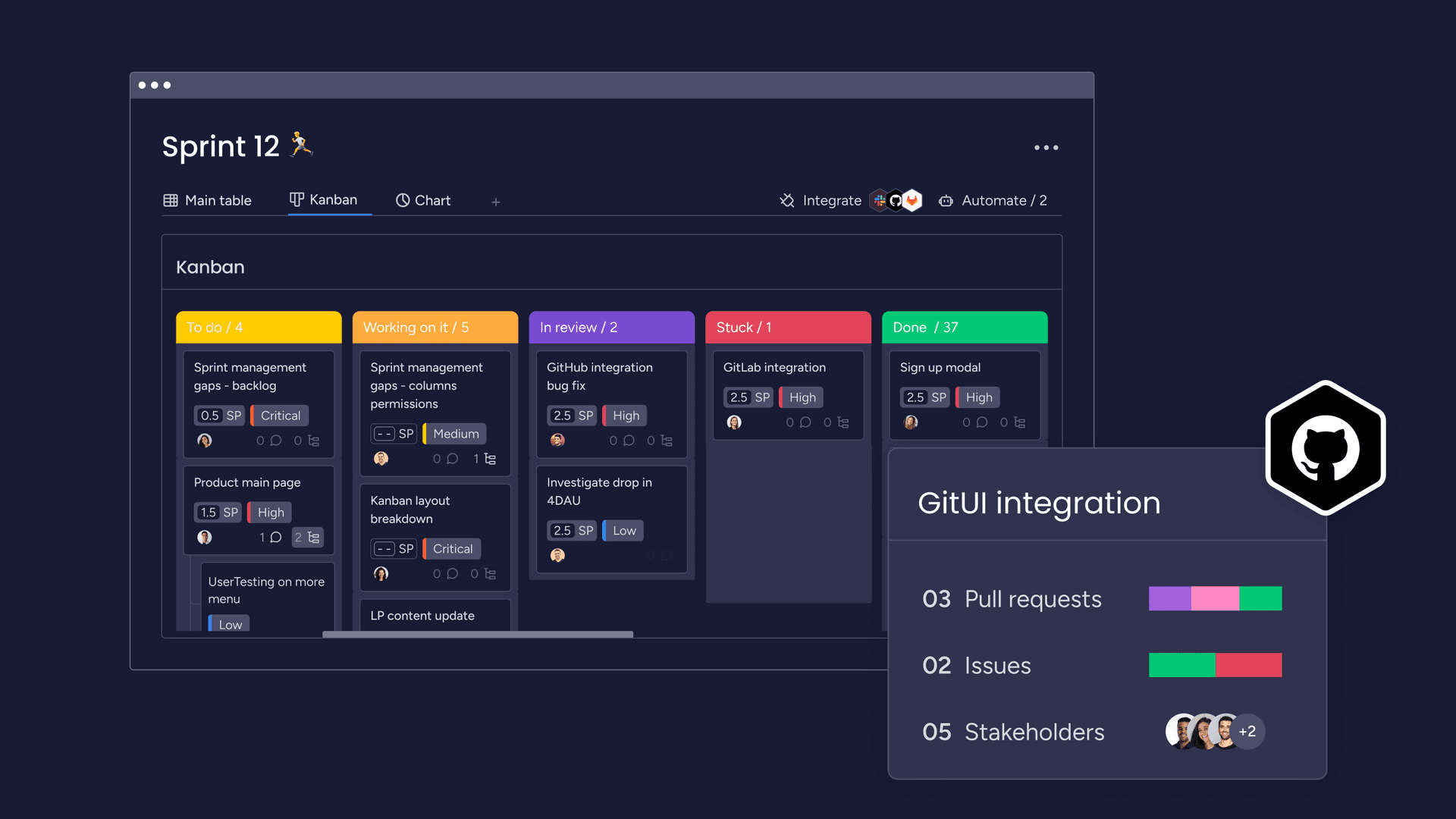
monday.com’s message is blunt: if your team ships faster, release management matters more, not less. The point is not to slow engineering down with bureaucracy. The point is to make sure every deployment has a clear owner, a documented path to production, and a way back out if something breaks. For a company serving more than 250,000 customers worldwide, that discipline is not optional. It is the difference between predictable growth and expensive fire drills.
Release management is the coordination layer DevOps still needs
The easy mistake is to treat DevOps as a reason to remove process. monday.com’s ITIL guide pushes back on that idea by defining release management as the planning, scheduling, and control of software changes as they move from development into live environments. In practice, that means teams need the right approvals, the right documentation, and the right audit trail, even when the release cadence is high.
That framing should sound familiar to anyone building or selling software at monday.com. The company is not shipping a single narrow app. It is shipping a large work platform with AI features, permissions changes, infrastructure updates, and service operations all in motion at once. In that kind of product surface, the release process is not administrative overhead. It is the coordination layer that keeps engineering, product, support, and sales from discovering the impact of a change at the same time as the customer does.
What a controlled release actually looks like
The guide’s core lesson is that a safe deployment is repeatable. That starts before code reaches production. A mature release process lays out who approves the change, when it goes out, what dependencies it touches, and how the team will monitor the result once it is live.
A useful release flow usually includes:
- clear ownership for each change
- a scheduled release window
- documented testing and sign-off
- rollback and recovery steps
- communication to the teams that will feel the impact
- post-release visibility so issues can be traced quickly
That may sound like classic operations discipline, and it is. But the monday.com angle is that this discipline protects customer trust. Product managers benefit because fewer releases become customer-facing surprises. Engineers benefit because fewer incidents turn into after-hours emergency fixes. Sales benefits because enterprise buyers care less about abstract speed and more about whether a vendor can move quickly without breaking reliability.
Why monday.com’s scale makes release discipline more important
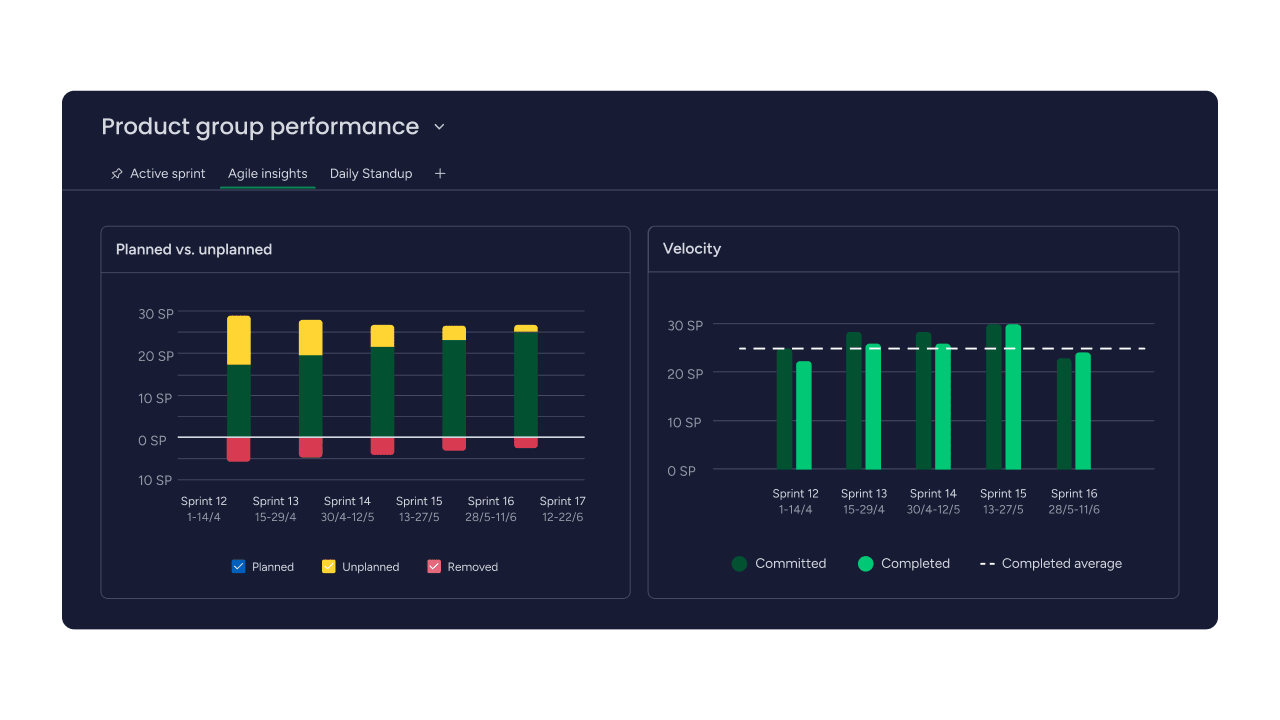
The stakes rise sharply when the platform is growing quickly. In its 2024 results, monday.com said fourth-quarter revenue reached $268.0 million, up 32% year over year, and net dollar retention was 112%. Those numbers point to an expanding base that keeps asking for more functionality, more automation, and more AI-driven workflows. That kind of growth is exactly where loose release practices start to hurt.
monday.com also said monday service was available to all customers in its February 2025 results announcement, then later described monday service as out of beta and available to all customers as an AI-first Enterprise Service Management platform. That matters because service management products are not just another feature release. They change how organizations route work, manage visibility, and centralize responses across IT, business, and service teams. When a company ships into that kind of workflow layer, the release process has to account for more than code quality. It has to account for operational trust.
The company’s own product updates reinforce that point. Its release cadence includes AI Blocks becoming available to everyone and new ways to connect AI agents and apps to accounts. Those are the kinds of changes that can create broad downstream effects, especially when permissions, automation, and account-level behavior are involved. A disciplined release framework helps teams ship those updates without creating confusion for administrators or instability for customers.
Security, resilience, and data handling are part of release management too
Release management is not only about getting features live. It is also about making sure the platform stays safe, available, and recoverable when something goes wrong. monday.com says its security model is based on ISO 27001, ISO 27018, SOC 2, and OWASP Top 10. It also says the service runs on Amazon Web Services across multiple Availability Zones, has a disaster recovery site in another AWS region, and lets enterprise customers choose to host data in Frankfurt, Germany.
Those details matter because each release can affect compliance, uptime, and data routing. monday.com support also says data is regularly backed up across AWS data centers in the United States, European Union, and Asia-Pacific regions. That is not just a technical footnote. It is a reminder that release planning has to include backup behavior, regional resilience, and the operational consequences of a bad deployment.
For engineering teams, this is the real argument for process. The more distributed the system becomes, the less useful it is to treat deployment as a simple push of code. A strong release process gives teams a shared language for change control, incident response, and rollback readiness. It reduces the chance that a quick release becomes a customer-visible outage.
Why enterprise buyers care about the release story
The guide’s broader business argument is that safe release management is now a selling point. Enterprise customers increasingly want vendors that can ship quickly without creating operational anxiety. That is especially true when the product is tied to core workflows, service operations, or AI automation that touches many departments at once.
monday.com has already been using customer outcomes to make that case. At Elevate 2025, the company said Pepsi cut low-impact work by 30% while meeting 100% of critical deadlines. It also said Five9 reduced time to revenue by 25% through AI-powered workflows. Those are the kinds of results that only matter if the underlying platform changes can be deployed reliably enough to support them.
For sales teams, the message is straightforward. Release maturity is part of the enterprise promise. Buyers will ask whether a vendor can move fast and still prove what changed, who approved it, and how it can be reversed if needed. That makes release management a commercial capability, not just an engineering one.
The real lesson for monday.com teams
The strongest takeaway from monday.com’s ITIL guidance is that governance and speed are not opposites. If approvals are clear, documentation is current, and rollback plans are real, releases can move quickly without becoming a source of chaos. That is especially important inside a company whose platform is growing in scope, whose customer base is large, and whose product roadmap now includes AI agents, enterprise service management, and account-level controls.
Release management remains strategic because it protects the thing every fast-growing SaaS business depends on: trust. In a platform like monday.com, the teams that win are the ones that can ship quickly, explain exactly what changed, and recover cleanly when something does not go as planned.
This article was produced by Prism’s automated news system from verified source data, official records, and press releases, then run through automated quality and moderation checks before publishing. The system is built and supervised by the people who set the standards it runs under. Read our full AI policy.
Did this article answer your question?