monday.com guide says onboarding should start before day one
monday.com says onboarding has to start before day one, because lost access and missing context can make the first 90 days expensive fast. Its 30-60-90 model turns ramp-up into a cross-functional workflow.
New hires do not usually fail because they lack talent. They stall because their first week disappears into waiting for access, hunting for context, and guessing who owns what. monday.com’s onboarding guide takes that frustration seriously and turns it into an operating model: start before day one, treat the first 90 days as a structured journey, and make HR, IT, and managers work from the same plan.
The real problem is friction, not paperwork
The guide starts from a simple but costly truth: poor integration can cost organizations up to twice an employee’s annual salary if that person leaves within the first 90 days. That is why onboarding is not just an HR formality. It is a retention and productivity issue that decides whether a new hire becomes useful quickly or becomes another manager’s cautionary tale.
The broader market data makes the point even sharper. Gallup has said only 12% of U.S. employees believe their company does a good job of onboarding. It has also found that employees who had exceptional onboarding experiences are 2.6 times more likely to be extremely satisfied at work, and 70% of them say they have “the best possible job.” BambooHR’s 2023 study adds a harsher reality: companies have just 44 days on average to convince new hires to stay, and 44% of respondents said they had regrets or second thoughts within their first week.
Start before day one
monday.com’s central argument is that onboarding should begin before the employee shows up. That means pre-boarding is not extra polish. It is the point where access setup, documentation, and planning happen so the first day is not spent waiting for the basics. If the laptop, permissions, and background materials are already in motion, managers buy back time that would otherwise be wasted in catch-up mode.
That matters even more in a SaaS company, where roles are interdependent and the cost of delay compounds fast. Engineers need the right tools, repositories, and product context before they can ship. Product managers need enough context to understand decision history and stakeholder expectations. Sales teams need the right playbooks, systems access, and customer-facing background before they can book meetings or move toward revenue. In every case, the guide is pushing for one thing: reduce the lag between hire date and meaningful work.
One workflow beats a stack of checklists
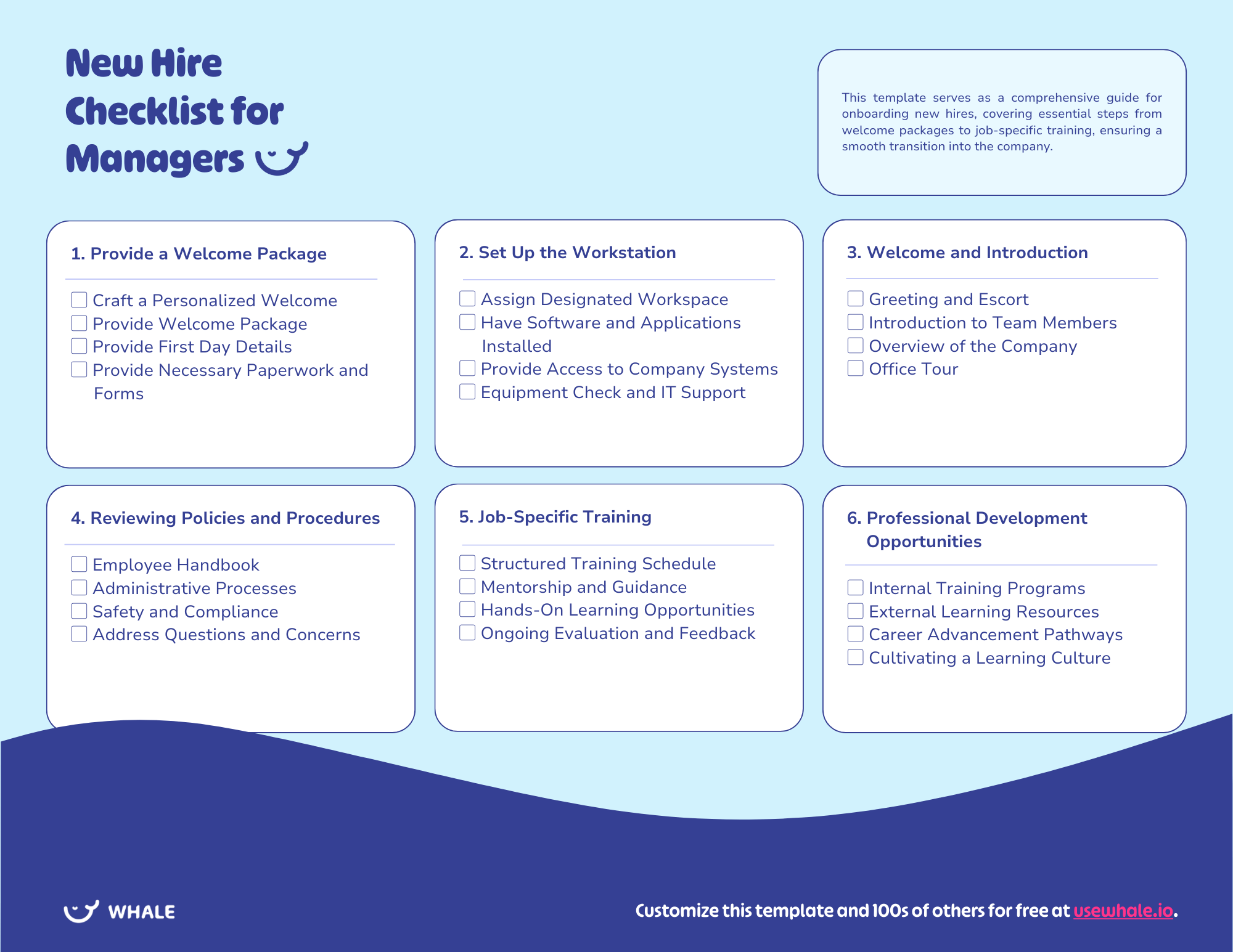
The most operational part of the guide is its insistence that onboarding should be cross-functional. Rather than letting HR, IT, and hiring managers run separate checklists, monday.com argues for one shared workflow. That is a practical distinction, because most onboarding breakdowns happen in the handoffs: nobody knows who is supposed to answer a question, a request sits in limbo, or one team assumes another team already handled the setup.
monday.com’s own HR templates reinforce that approach by presenting onboarding as a centralized workflow instead of disconnected tasks. Its automation materials go a step further, saying HR, IT, facilities, and training tasks can be triggered automatically when a hire is marked as completed. In other words, the point is not just to track onboarding. It is to orchestrate it so approvals, forms, badge creation, laptop setup, and training assignments do not depend on someone remembering to chase them down.
For managers, that structure matters because it makes ramp problems visible. If the workflow is in one place, it becomes easier to see whether a new hire is waiting on access, missing context, or simply not being given enough direction. That is the difference between guessing that someone is “slow” and spotting the exact bottleneck.
Use the first 90 days as a management tool
monday.com breaks the first 90 days into three phases: learning, contribution, and independence. That model is useful because it gives managers a way to judge progress without turning onboarding into a vague vibe check. The first 30 days should be about learning the business, the team, the tools, and the expectations. The next 30 should shift toward contribution, with the new hire starting to own real work. The final 30 should push toward independence, where they need less supervision and can operate with confidence.
That progression is especially valuable for fast-moving teams that cannot afford a long ramp. For product and engineering, the natural markers might be time-to-first-commit or time-to-first-shipped feature. For sales and customer-facing roles, the equivalent could be time-to-first-meeting or time-to-first-revenue. The point is not to force every role into the same mold, but to give managers a concrete way to tell whether the hire is ramping, stalled, or missing support.
The 30-60-90 structure is also not just a one-off idea in monday.com’s ecosystem. It appears across the company’s template library and blog, including its 30-60-90 day plan template and its first-90-days material, which frames the first three months as the period that shapes credibility, confidence, and influence. That repetition matters because it shows onboarding as part of a broader work-management philosophy, not a side topic.
Remote and hybrid teams need more structure, not less
The guide is especially relevant for distributed teams because virtual onboarding strips away the casual learning that office workers often take for granted. In-person hires can absorb culture through overheard conversations, quick desk-side answers, and spontaneous introductions. Remote and hybrid workers do not get those moments for free, so onboarding has to replace them deliberately with video calls, welcome packages, and visible culture channels.
That is a useful reminder for any globally distributed SaaS company, including monday.com itself. Belonging does not happen just because someone has a Slack account and a calendar invite. It happens when the company creates enough structure that people know where to go, who to ask, and how to start contributing without feeling lost. The best onboarding systems do more than transfer information. They build confidence, reduce avoidable friction, and make it easier for a new hire to become productive without draining the rest of the team.
What monday.com is really saying about ramp time
Taken together, the guide reads less like a checklist and more like an argument about how modern teams should run. If onboarding starts before day one, if HR and IT share one workflow, and if the first 90 days are measured in milestones instead of assumptions, managers can shorten ramp time and reduce drag across the whole organization. That is the practical lesson for monday.com workers too: onboarding is not a welcome ritual. It is the first operating system a new hire has to learn, and it shapes how quickly the rest of the company can move.
This article was produced by Prism’s automated news system from verified source data, official records, and press releases, then run through automated quality and moderation checks before publishing. The system is built and supervised by the people who set the standards it runs under. Read our full AI policy.
Did this article answer your question?