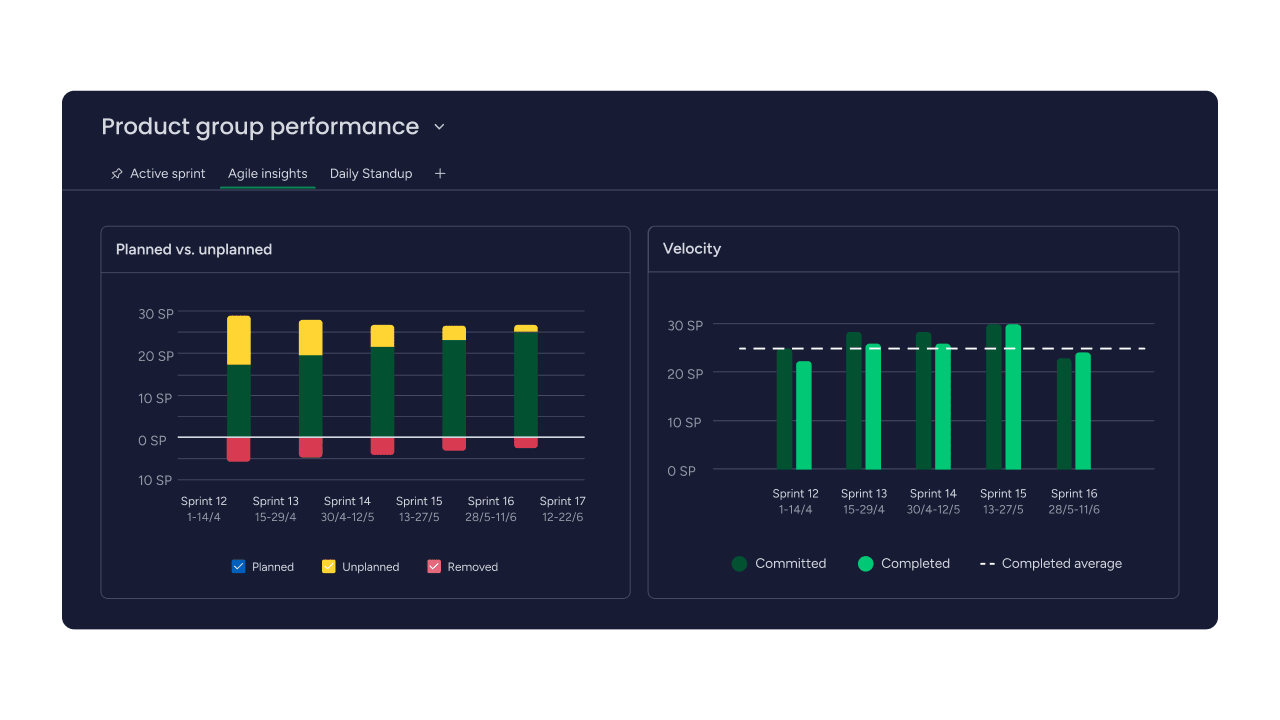
Monday.com guide says product development still takes disciplined, two-year process
monday.com says AI can accelerate pieces of product work, but the full path from idea to launch still takes about two years and demands disciplined handoffs.
The two-year clock still matters
AI can shave time off product work, but it does not delete the chain of decisions that turns an idea into something customers can actually use. monday.com’s product development guide puts a hard number on that reality: the journey from idea to market launch still averages about two years.
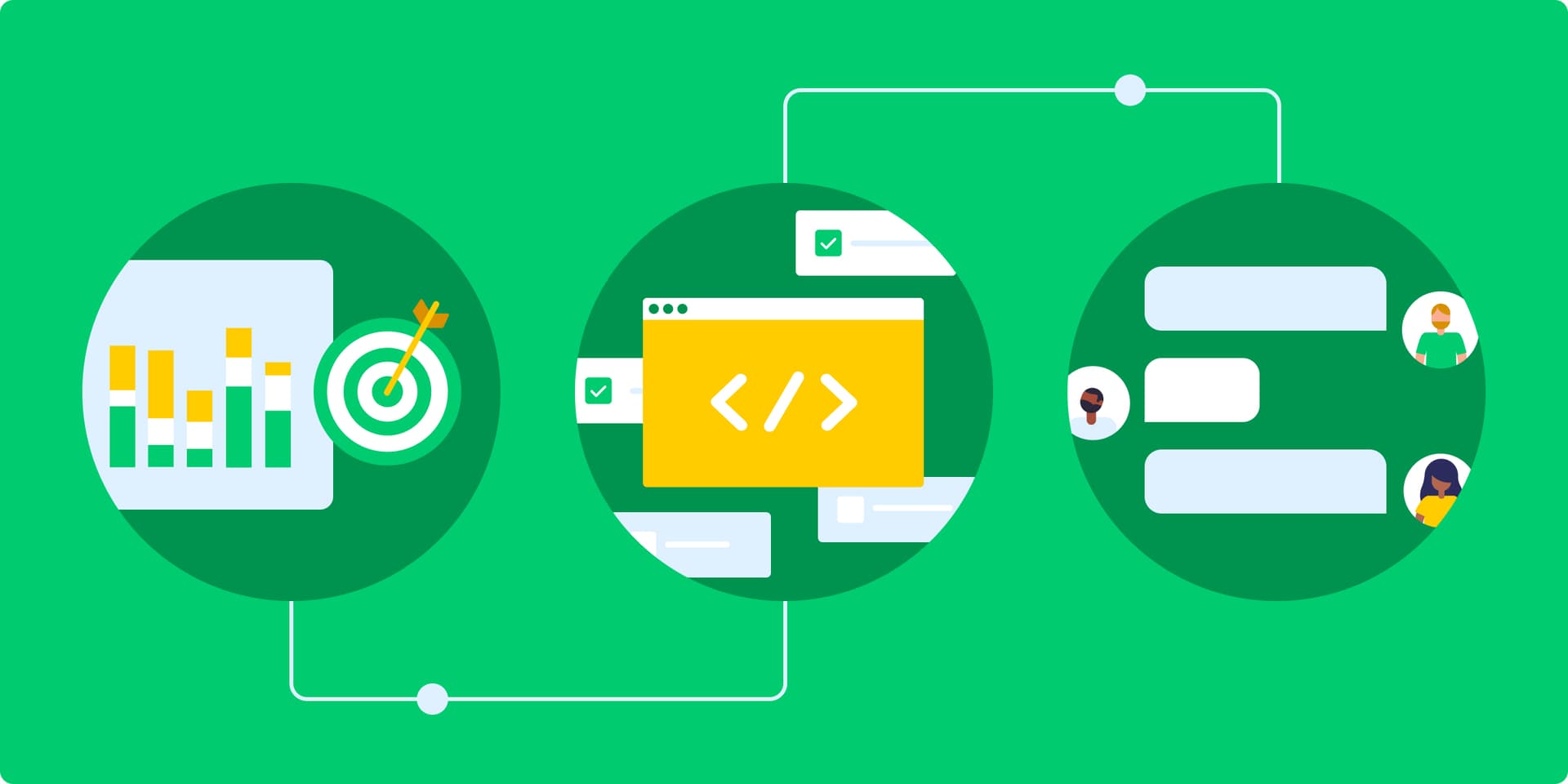
That is the useful reality check in this story. In a market that often talks about software as if it can be conjured instantly, monday.com’s own guidance says the work still moves through distinct stages: ideation, design and prototyping, development, testing, and release. Speed matters, but speed without sequence usually just means bugs, rework, and a launch that lands flat.
Why the stages still have to hold
The guide’s value is not that it romanticizes process. It is that it makes the process visible. Ideation needs customer signal, not just a bright internal opinion. Design and prototyping need feedback before teams sink time into the wrong shape. Development needs technical discipline. Testing needs edge cases, not optimism. Release needs readiness across support, documentation, and go-to-market teams.
monday.com’s own product guidance reinforces that logic. Its product-development and PRD materials stress continuous stakeholder input, regular updates, and avoiding vague requirements and scope creep. That is the part of product work AI cannot replace: the judgment calls, the tradeoffs, and the repeated alignment across people who do not sit in the same function and often do not share the same incentives.
For engineers and product managers inside monday.com, that means the important question is not whether a task can be automated. It is where automation fits in the sequence without breaking the handoffs that keep a product shippable. For sales teams, it is a reminder that customer-facing promises still have to match the maturity of the product underneath them.

A company built around solving that problem
That process-heavy message fits monday.com’s own origin story. The company says Roy Mann and Eran Zinman founded it in 2012 after experiencing firsthand the problems that come with scaling organizations. Its story page says the company secured its first funding round, a $1.5 million seed round, that same year.
That matters because monday.com has always sold itself as a way to make work more visible, more repeatable, and less dependent on memory or vibes. The company now describes itself as an AI work platform used by more than 250,000 customers worldwide, but the underlying promise has not changed much: turn messy work into something teams can coordinate around. That is the lens through which this product-development guide lands. It is not a generic startup explainer. It reads like advice from a company that has spent years living with the cost of bad coordination.
AI is accelerating tasks, not eliminating discipline
monday.com’s 2025 AI framing makes the same point from a different angle. The company said its AI vision centered on AI Blocks, Product Power-ups, and the Digital Workforce. It later said it expanded AI-powered agents and launched monday campaigns inside its CRM suite.
That is the tension worth watching. AI can help teams draft, classify, summarize, route, and surface work faster. It can reduce bottlenecks in service flows and shorten some engineering chores. But even if AI carries more of the grunt work, someone still has to decide what gets built, what gets tested, what gets cut, and what is ready for customers.
monday.com’s product-update pages add another layer to that argument. The company has described mondayDB 1.0 as infrastructure built for performance, scale, and flexibility. In plain terms, that means feature velocity still depends on a strong foundation. Faster output on top of weak systems just creates faster failure.
The commercial signal behind the guide
The guide also lines up with monday.com’s business story in 2025 and early 2026. The company said fiscal 2025 revenue grew 27%, with fourth-quarter revenue of $333.9 million. It also said monday vibe became the fastest product in its history to surpass $1 million in annual recurring revenue, and that customers with more than $50,000 in ARR represented 41% of total ARR.
Those numbers matter because they show where the company’s real pressure sits. monday.com is not just racing to ship more AI features for show. It is trying to keep enterprise adoption moving while proving that new products can scale into durable revenue. That kind of customer base does not reward rushed launches or half-finished workflows. It rewards systems that work, support teams that are not constantly firefighting, and product releases that hold up after the first demo.
For employees, that is the practical takeaway. The hype cycle may celebrate software that seems to appear overnight, but the work inside monday.com still looks like a disciplined chain of decisions: define the problem, test the solution, align the stakeholders, and only then ship. AI can shorten parts of that path. It cannot remove the need for one team to hand off cleanly to the next, and it cannot replace the patience required to build something customers trust.
This article was produced by Prism’s automated news system from verified source data, official records, and press releases, then run through automated quality and moderation checks before publishing. The system is built and supervised by the people who set the standards it runs under. Read our full AI policy.
Did this article answer your question?