Monday.com guide shows how gate reviews improve project decisions
Gate reviews can stop a bad bet before it turns into sunk cost, and monday.com is tying that discipline to its AI work platform push.

At monday.com, a gate review is the go-or-no-go checkpoint before a team spends more money, time, and credibility on work that is not ready. In a company with enterprise deals getting larger and AI features moving faster into the product stack, that kind of checkpoint is not a formality. It is a way to keep momentum from becoming autopilot.
Why gate reviews matter now
The tension inside a software company like monday.com is easy to recognize. Engineers want to ship, product managers want to preserve momentum, and go-to-market teams want launches to land on schedule. Gate reviews create a shared pause where the team has to ask whether the work is actually ready to move forward, whether the evidence is strong enough, and whether the right people agree on the next step.
In enterprise SaaS, mistakes get expensive fast. A rushed release can create support burden, security exposure, and a customer experience that is harder to repair than to prevent.
What a gate review is supposed to do
At its core, a gate review is a deliberate, criteria-based checkpoint between phases of work. It is a formal moment to decide whether a project should continue, stop, or change direction based on evidence rather than enthusiasm. That makes it different from a routine status update, where the goal is to share progress, not make a consequential decision.
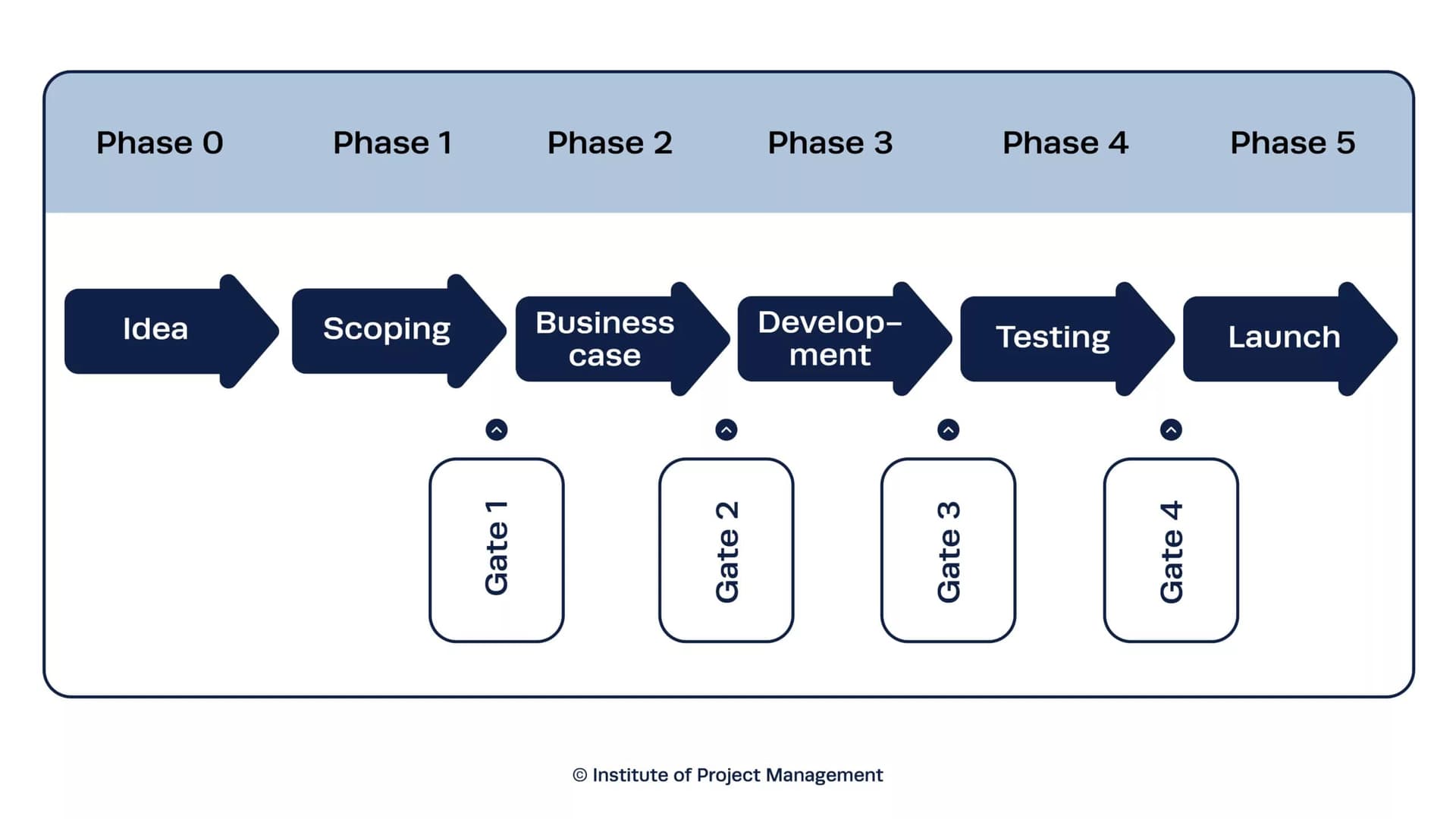
Gate reviews are also called stage-gate or phase-gate reviews. These processes use defined deliverables for each stage, followed by management reviews at the end of each phase. Gates come at the point where an enterprise is about to take on more investment or more risk exposure.
When to hold one, and who needs to be in the room
The best time for a gate review is when the work is about to get materially more expensive or harder to unwind. That usually means after a discovery phase, before engineering commits to full build-out, before a launch, or before a rollout expands from a pilot to a broader customer base. If a decision is going to lock in cost, timing, scope, or support load, that is a gate.
The room should include the people who can actually make the call and absorb the consequences. That usually means the product lead, engineering lead, and the owner of the business outcome, along with security, operations, finance, or go-to-market stakeholders when their work is part of the risk. The value is in making sure the decision is made by the people who understand the evidence, the tradeoffs, and the downstream impact.
The questions that make a gate review useful
A gate review should not be a ritual where teams defend a plan they already want to keep. It works when the discussion is anchored in a small set of hard questions: Has the team met the criteria it set? What evidence exists that the project is ready? What risks remain unresolved? And what is the cost of moving ahead versus pausing?
The practical outcome should be explicit. A team can move forward, delay, revise, or stop.
How monday.com is tying the idea to its own platform shift
monday.com is now presenting itself as an AI work platform, not just a work management app. monday.com’s investor materials put the platform at more than 250,000 customers worldwide, and the company says monday vibe became the fastest product in its history to reach $1 million in ARR. That kind of product mix raises the stakes for governance, because AI-assisted execution can move quickly while also creating new coordination and control problems.
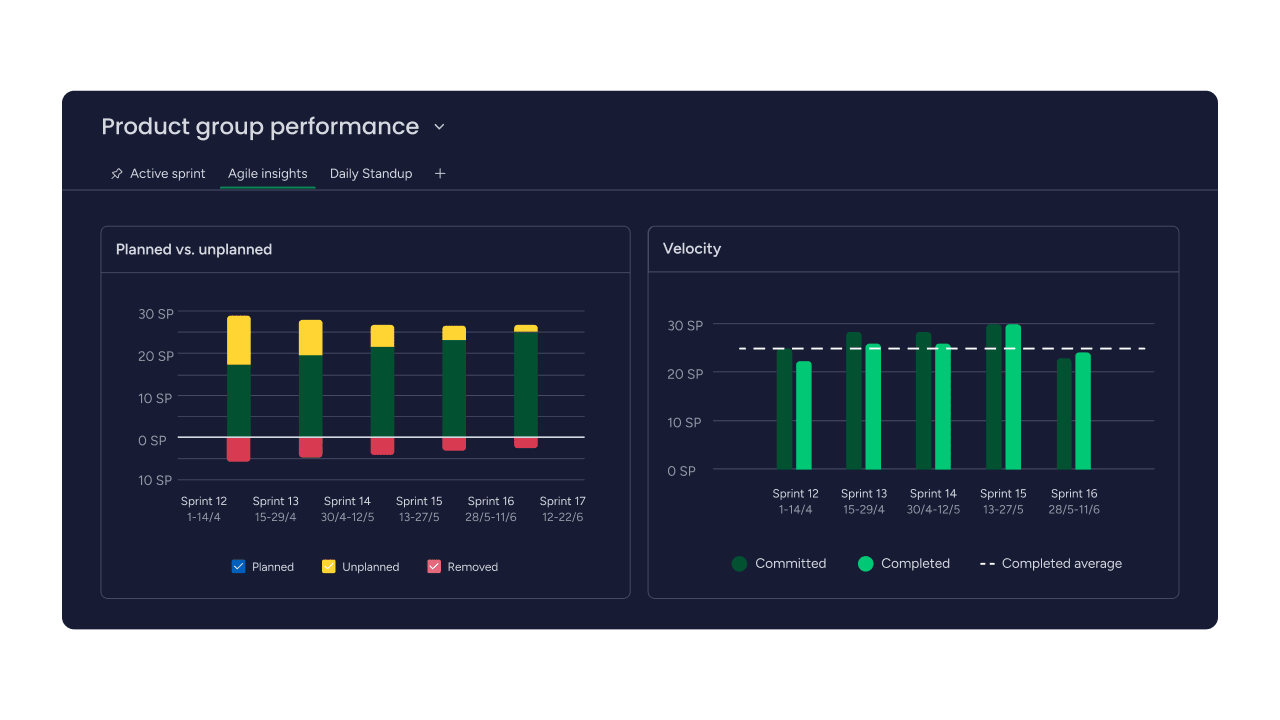
monday.com says the AI Work Platform can centralize gate decisions, automate governance workflows, and give stakeholders real-time visibility across projects and portfolios. For engineers and product managers, that means gate reviews do not have to live in slide decks and scattered Slack threads. They can be tracked as part of the same operating system that holds the work itself.
The business context behind the process language
monday.com said 41% of total ARR came from customers with more than $50,000 in ARR at the end of 2025, a sign that bigger accounts are becoming a larger part of the revenue mix. It also said it closed an 80,000-seat agreement in 2024, the largest deal in company history.
monday.com reported 27% revenue growth for FY2025 and a 14% non-GAAP operating margin, after reporting fourth-quarter 2024 revenue of $268.0 million, up 32% year over year, and fourth-quarter 2025 revenue of $333.9 million, up 25% year over year. The company became publicly traded on June 10, 2021.
This article was produced by Prism’s automated news system from verified source data, official records, and press releases, then run through automated quality and moderation checks before publishing. The system is built and supervised by the people who set the standards it runs under. Read our full AI policy.
Did this article answer your question?