Monday.com guide shows project management buyers value AI and workflow fit
Buyers are weighing AI, security, and workflow fit together, and monday.com’s 15-platform guide shows how crowded that test has become.

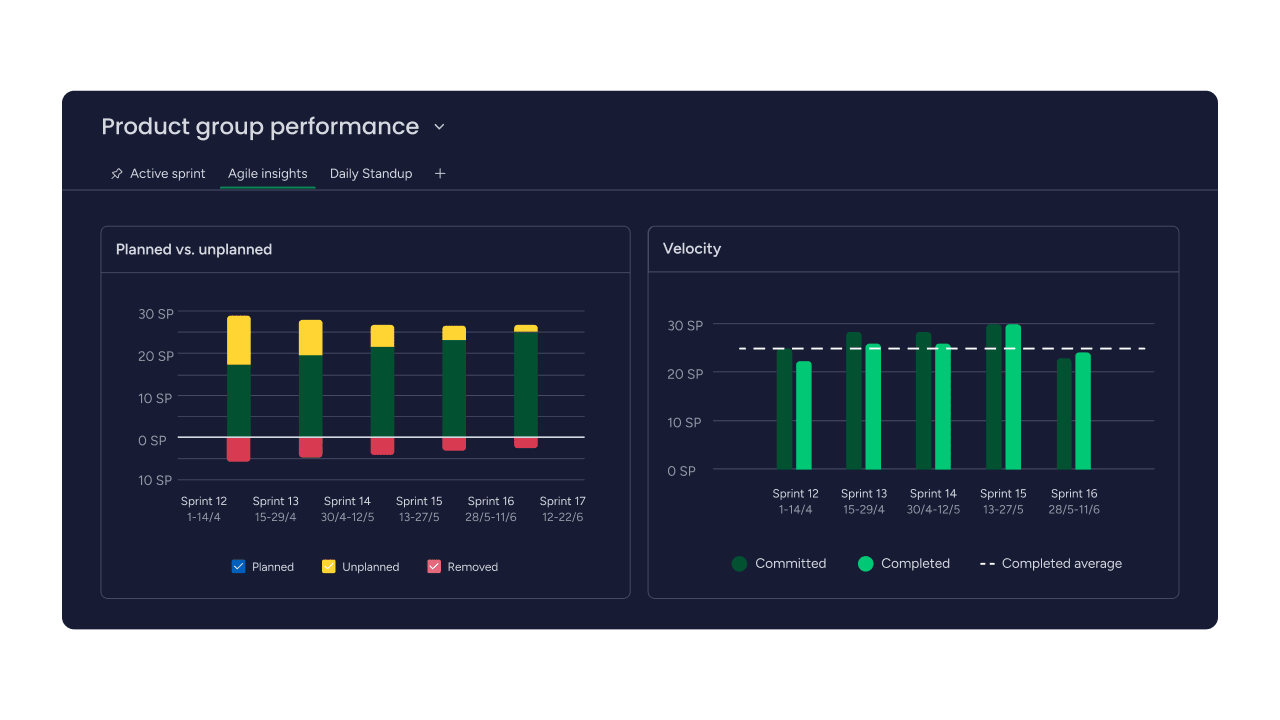
A 15-platform comparison from monday.com weighs workflow fit, leadership visibility, implementation effort, automation, AI, reporting, and governance. The result is a view of customers evaluating operating model as much as software.
What the comparison guide is really measuring
Buyers no longer are satisfied with a generic task tracker that simply assigns work. The criteria show that companies want a platform that matches how teams actually operate across functions, with enough visibility for leaders and enough structure to keep administration from ballooning. Monday.com sells into project management, CRM, service, IT, marketing, and operations from one platform.
For product and sales teams, that changes the conversation. Implementation speed is no longer a side issue, and integrations are not a bonus feature; they are part of the test of whether a tool can sit at the center of day-to-day work. The same is true for scalability: a product can win a small team on simplicity, but larger buyers are asking whether it can keep cross-team work visible without creating another layer of manual oversight.
Monday.com was founded in 2012 and went public on Nasdaq on June 10, 2021, then spent the next several years broadening from a single work-management product into a multi-product platform. That evolution gives it a natural advantage in crowded evaluations, but it also raises the bar, because broader scope brings higher expectations around consistency, reporting, and ease of rollout.
AI has moved from differentiator to baseline
In Capterra’s 2025 project management software trends report, 55% of respondents said they were triggered to buy new project management software by a desire to add AI functionality. At the same time, 71% ranked security as their top concern, showing that AI interest is being filtered through a very cautious buying process.
Capterra found that 60% of project managers said AI adoption increased the importance of emotional intelligence in their work. For monday.com’s product and go-to-market teams, buyers are not simply asking for more automation; they are asking for tools that reduce friction without flattening the human side of coordination. AI has to fit into how teams communicate, escalate, and hand off work.
Atlassian’s AI Collaboration Index surveyed 12,000 knowledge workers and 180 Fortune 1000 executives, yet only 4% of executives reported AI ROI. That gap is the buying problem in 2026: plenty of vendors can show features, far fewer can show measurable return. Monday.com positions AI as support for execution rather than just content creation.
Why monday service matters to the story
The guide’s framing also lines up with monday.com’s push deeper into enterprise workflows. On Feb. 10, 2025, monday.com made monday service available to all customers after leaving beta. The product launched in January 2024, became the company’s highest annual contract value product, and had already facilitated resolution of more than 215,000 tickets by the time it was fully released.
monday service puts monday.com more directly into enterprise service management, where governance, visibility, and operational rigor matter as much as speed. For employees, that means the competitive set is no longer only classic project management software; it is also broader work platforms that promise to connect service, operations, and cross-functional coordination in one system.
The company’s financial results reinforce that upmarket shift. In fiscal 2025, monday.com reported revenue of $1.232 billion, up 27% year over year. Fourth-quarter revenue reached $333.9 million, up 25%. Customers with more than $50,000 in annual recurring revenue represented 41% of total ARR, and enterprise customers with more than $50,000 in ARR grew 34%, from 3,201 at Dec. 31, 2024, to 4,281 at Dec. 31, 2025.
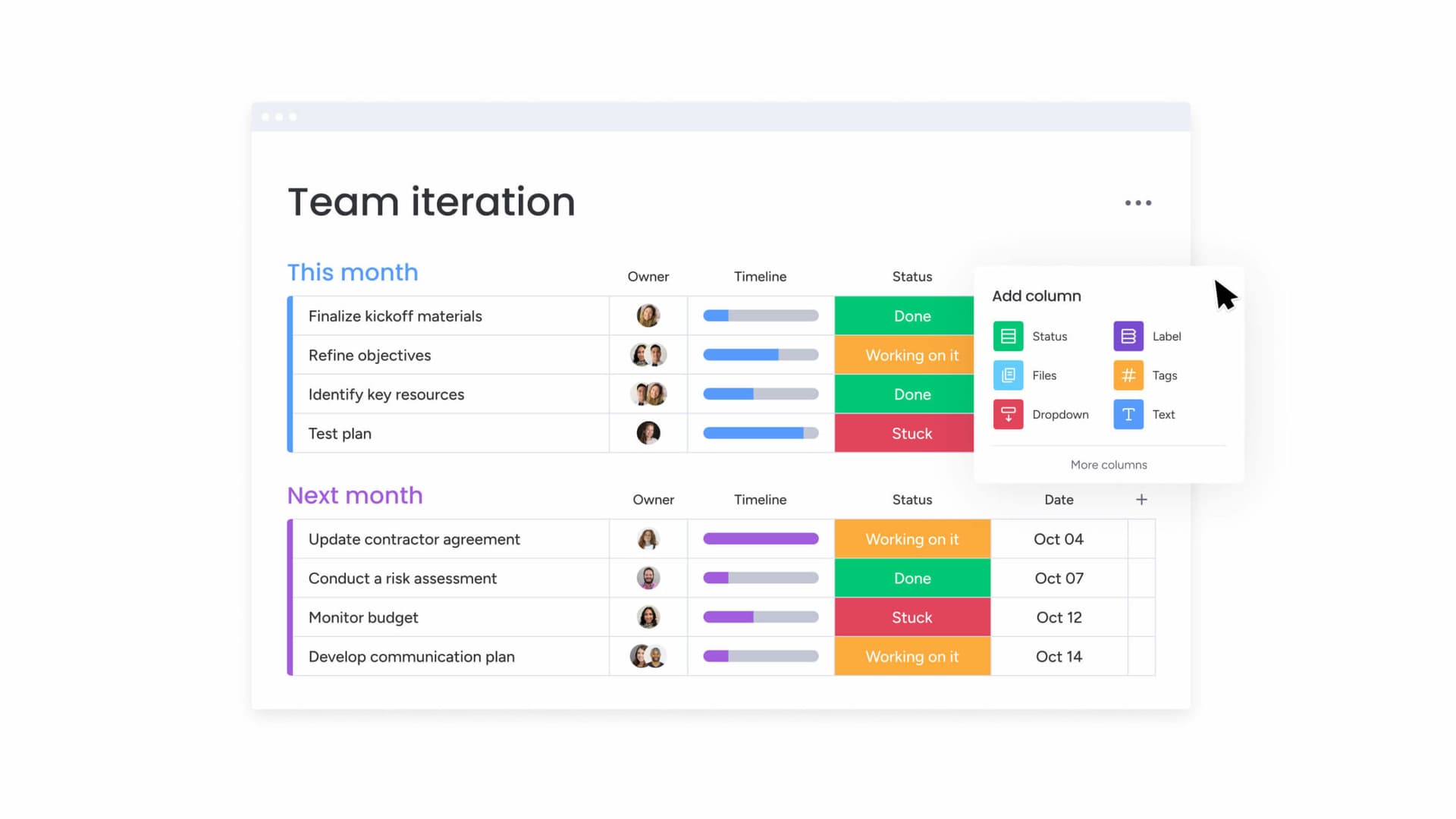
Buyers reading a 15-platform comparison are often the same ones asking for security review, admin controls, and the ability to roll software across departments. In that segment, a clean interface is not enough. The platform has to support reporting, governance, and scaling without turning into a heavy implementation project.
What this means for monday.com’s internal playbook
Monday.com’s 2025 recognition as a Leader in Gartner’s Magic Quadrant for Collaborative Work Management, for the third consecutive year, gives the company credibility in a category that is now crowded with adjacent players. Monday.com said it held three Gartner work-management leadership placements in 2025, which helps explain why its competitive materials stress fit across multiple use cases rather than one narrow workflow.
For sales teams, the guide is a reminder that buyers are shopping with a longer checklist than they were a few years ago. They are comparing AI capability, implementation effort, integrations, reporting, and governance at the same time, and they are asking whether a platform can work across teams without creating more admin work than it saves.
Monday.com’s breadth across PM, CRM, service, IT, marketing, and operations is a strength, but only if the company keeps that breadth legible to customers.
This article was produced by Prism’s automated news system from verified source data, official records, and press releases, then run through automated quality and moderation checks before publishing. The system is built and supervised by the people who set the standards it runs under. Read our full AI policy.
Did this article answer your question?