Monday.com guide weighs Asana, Basecamp, and work management tradeoffs
monday.com’s comparison of Asana and Basecamp boils down to one question: how much structure does your team really need, and what does that choice cost you day to day?
The real choice is not feature count, it is management style
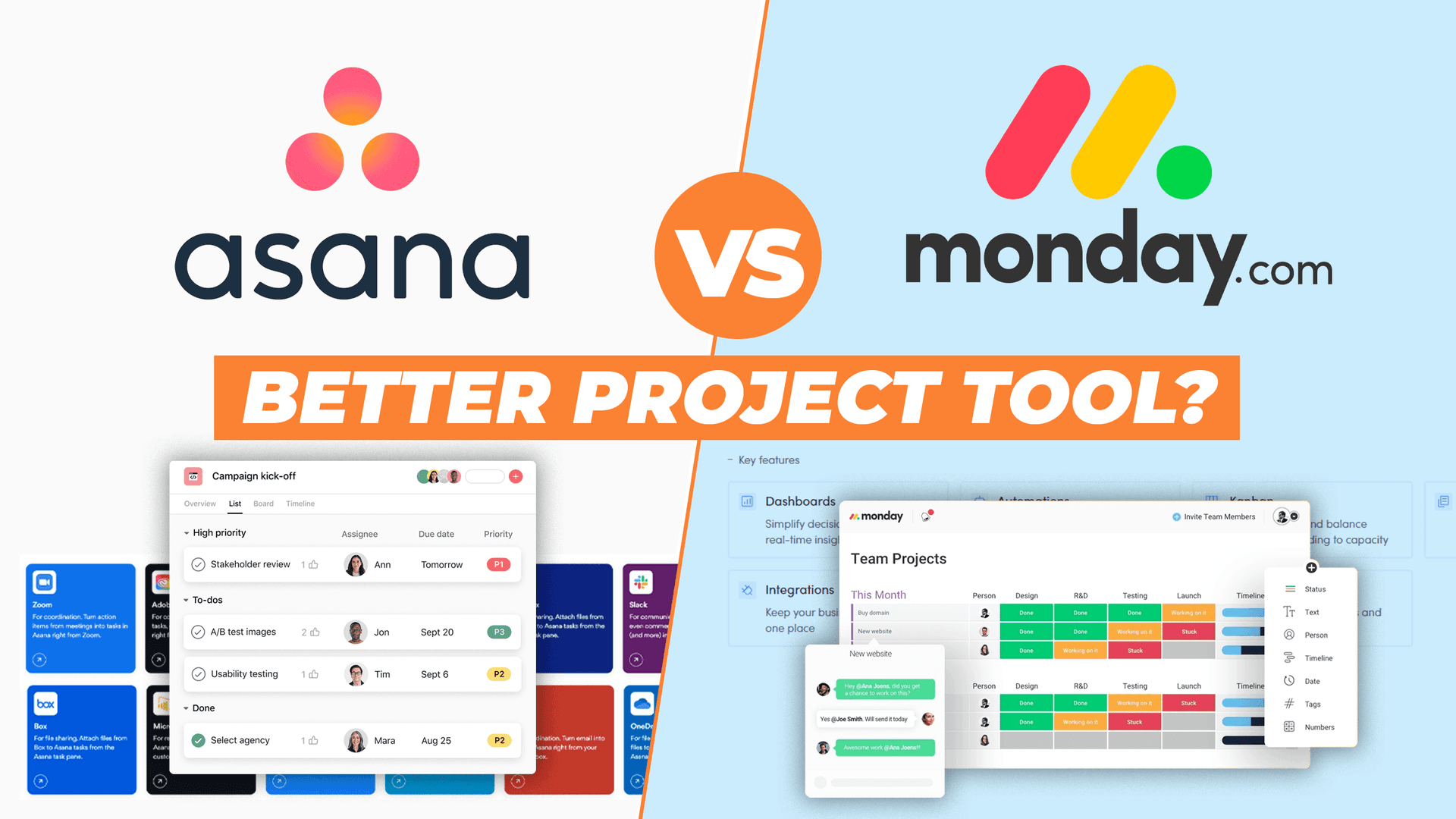
The sharpest question in monday.com’s comparison is not whether one platform looks better in a demo. It is how much structure a team can tolerate before work starts feeling rigid, and how little structure it can survive before work turns into noise. That is why the guide places monday work management between Basecamp’s simplicity and Asana’s process-heavy orchestration: each product solves a different kind of management problem, and each creates its own friction.
For managers, that distinction matters because the tool shapes the team’s habits. A light system can keep people moving, but it can also hide ownership gaps. A structured system can make dependencies clear, but it can slow teams that need speed, judgment, and room to improvise.
Why monday.com is making this comparison now
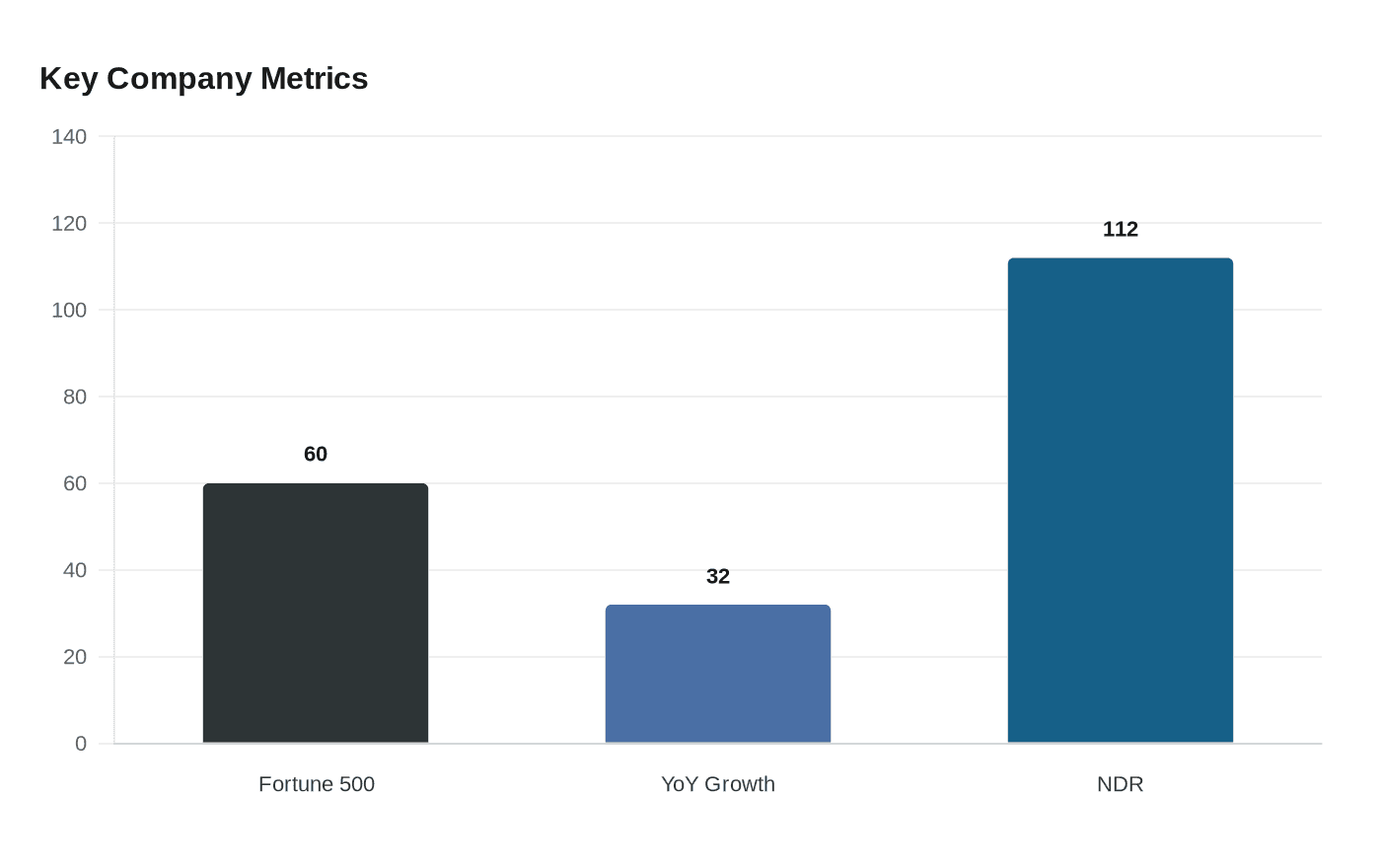
monday.com is not presenting itself as a single-project app anymore. The company says more than 250,000 customers worldwide use its platform, that it is trusted by over 60% of the Fortune 500, and that its platform spans work management, CRM, service, and dev on the same AI layer. That is a much bigger claim than “we help teams track tasks.” It is a bid to be the operating layer for how cross-functional work moves through a company.
The numbers behind that push are hard to miss. monday.com reported $268.0 million in fourth-quarter 2024 revenue, up 32% year over year, with net dollar retention of 112%. It said annual recurring revenue passed $1 billion in the third quarter of 2024, that its second-largest customer more than doubled its seat count to 60,000, and that it closed an 80,000-seat agreement in the second quarter of 2024, the largest deal in company history. For employees, that is the real backdrop to the comparison guide: monday is not just arguing for preference, it is arguing for scale.
That scale story also sits behind the company’s AI pitch. monday says its 2025 AI expansion included monday agents, monday sidekick, monday magic, monday vibe, and monday campaigns, all extending the same AI foundation across products. The message to buyers is clear: the platform should not just store work, it should help route it, automate it, and connect it across teams that do not usually live in the same workflow.
Basecamp: where simplicity wins, and where it breaks
Basecamp’s appeal is obvious to teams that are tired of sprawling systems. It has a 21-year track record, and it continues to lean into calm organization and a smaller-company identity. Basecamp says it is designed for smaller, hungrier businesses, not big, sluggish ones. That is not just branding. It is a signal that the product is optimized for teams that want fewer moving parts and less administrative overhead.
- small teams that want fast agreement on what matters today
- founders and managers who value clarity over customization
- organizations that do not need heavy cross-department automation
That makes Basecamp a natural fit for:
It can struggle when work gets more layered. If your sales, marketing, operations, and finance teams need different views of the same work, Basecamp’s simplicity can become a ceiling. It is good at keeping a team aligned around a few shared priorities; it is less persuasive when leadership wants resource management, portfolio visibility, or a system that can absorb the messiness of scale.
Asana: strong process discipline, higher coordination demands
Asana sits on the other side of the tradeoff. Its product pages and comparison materials emphasize structured work management and goal tracking across departments. That makes it a strong fit for teams that already think in workflows, dependencies, and handoffs. If the challenge is not “how do we start?” but “how do we make sure every step is visible and accountable?”, Asana usually speaks that language well.
- operations-heavy teams with recurring processes
- managers who need explicit task dependencies and status visibility
- organizations that want formalized coordination across multiple functions
Asana tends to work best for:
The downside is that this kind of structure can feel like overhead to teams that want more flexibility. Fast-moving groups often do not want to design a process before they can do the work. That is where Asana can lose people who are really buying speed, not governance. Its strengths can also become the source of resistance if teams see the tool as a framework imposed from above instead of one that helps them move.
monday.com: the middle path, if the organization can use it
monday.com’s pitch is that it can unify work across marketing, sales, operations, and finance without forcing every group into the same narrow process. The company says monday work management is meant for teams, managers, and executives, and that it helps connect work to shared goals while giving enterprise-wide clarity. That makes the product especially attractive to organizations that want one system but not one rigid way of working.
This is where monday’s flexibility becomes the main selling point. The platform is strongest for teams that need to adapt workflows across departments, not just manage individual projects. It is a strong fit when leaders want visibility and collaboration without giving up the ability to tailor boards, automations, and views to different functions.
- cross-functional teams that need one shared layer of truth
- managers who want workflow visibility without making the tool feel bureaucratic
- companies that expect to scale from team-level coordination to enterprise-wide planning
monday work management is likely to resonate most with:
It can struggle with teams that want almost no setup at all. monday’s flexibility is a strength, but it still asks managers to make decisions about structure, automation, and ownership. For teams that want a pure to-do list mentality, that can feel like more system than they need. For larger organizations, though, that same flexibility is what makes it easier to justify standardizing on one platform.
Why this matters inside monday.com
For monday.com employees, this comparison is more than marketing copy. It translates product positioning into the language customers actually use when they are deciding whether to buy. Sales teams need to hear the objection before it is spoken: is this too much process, or not enough? Product managers need to know which capabilities matter in evaluation cycles, especially when buyers compare monday against tools built around either simplicity or discipline.
Engineers should read the guide as a reminder that the competitive story is increasingly architectural. The more monday can support work management, CRM, service, and dev on the same AI layer, the less it has to win with isolated app features. That matters in a market where Forrester’s Collaborative Work Management Wave identified 11 vendors to consider, and where monday.com and Asana both want to be seen as leaders. In that environment, the buyer is not choosing a logo. The buyer is choosing a model of work.
That is why the comparison lands as a practical decision guide rather than a product brochure. Basecamp sells relief from complexity. Asana sells process rigor. monday.com is arguing that most growing companies need something in between, a system that can stretch from a single team to the rest of the business without breaking the way people actually work.
Know something we missed? Have a correction or additional information?
Submit a Tip