Monday.com highlights ITIL v5’s AI-native shift in service management
ITIL v5 is pushing service management toward AI-native, product-led operations, and Monday.com says that changes how service desks, routing, and change control should work.
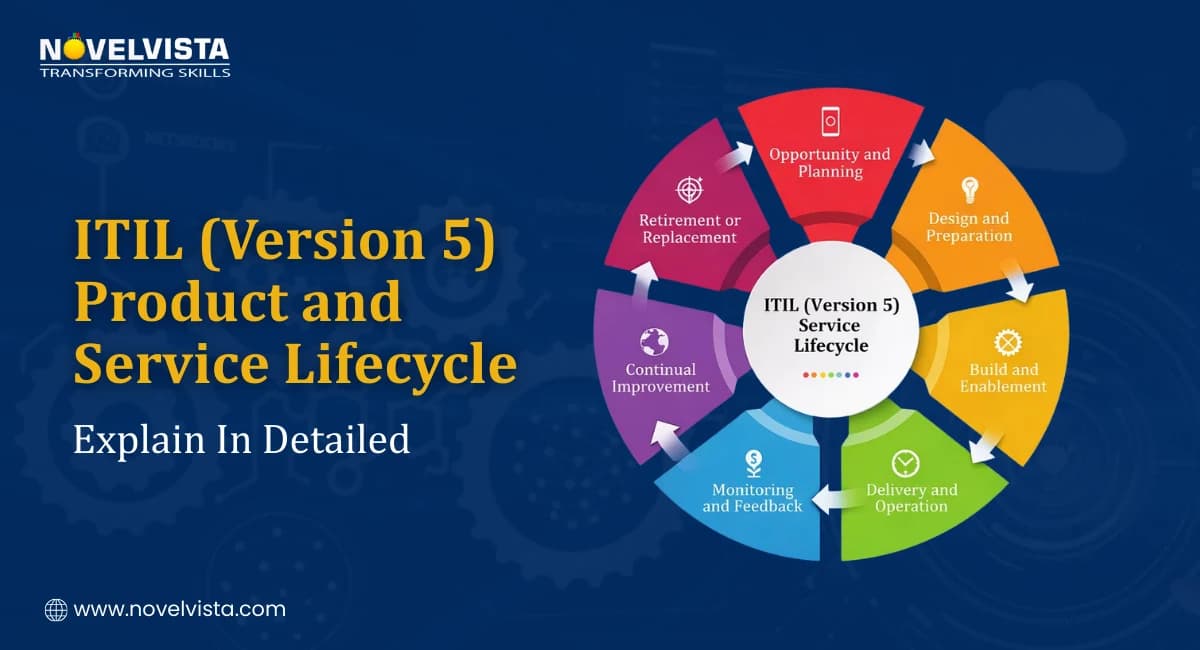
ITIL v5 was publicly announced at the itSMF Czech Republic conference on February 15, 2026. In its June 20 guide, Monday.com treats it as more than a certification refresh, framing the new version as a shift from rigid process to a more flexible, product-centric model that fits AI-enabled operations, where service desks are expected to route work faster, preserve governance, and reduce manual triage without losing control.
ITIL v5 arrives as an upgrade, not a hard break
The update is the first major change to the framework since ITIL 4 in 2019. Teams have spent years building around ITIL 4 language, certifications, and process design.
PeopleCert is handling the rollout as a phased release. ITIL 4 remains available during the transition, and existing ITIL knowledge still has value. For people holding ITIL 4 Foundation, there is also an ITIL Foundation Bridge module for Version 5, which signals continuity rather than a forced reset.
The practical shift is in how work gets handled
Monday.com highlights incident management, problem management, change management, knowledge management, and service request management as the core practices shaping modern service delivery. These are the places where AI can save time or create risk, because they sit closest to how tickets move, how knowledge gets reused, and how changes land in production.
ITIL 4 launched with separate guidance for 34 management practices, including incident management, organizational change management, and deployment management. ITIL v5 does not erase that structure. Instead, it reinterprets it for AI-driven operations, where the job is not just to close tickets, but to make the whole service function more responsive to digital products, service demand, and outcome-based delivery.
That shift changes the role of the service desk. AI serves as a support layer for categorization, routing, and workflow assistance, not as a replacement for service staff. In practice, automation shortens the time between intake and action, while humans stay in charge of judgment calls, escalations, and unusual cases that need context.
AI-native does not mean governance-light
ITIL Version 5 is AI-native, built for digital product and service management in AI-enabled environments. The framework is meant to strengthen governance while maintaining flexibility and centering experience, value, and outcomes. For a company like monday.com, that lets product teams and sales teams tell enterprise buyers the system can move fast without drifting into chaos.
For engineers, that means more attention to observability, rollback paths, and change controls that can handle AI-assisted workflows. If AI is helping route incidents or surface knowledge, the failure mode is no longer just a broken ticket queue. It can also be a bad recommendation, a misrouted request, or a change that looks safe until it hits a dependency the model did not understand.
For product managers, ITIL v5 is a reminder that service management is becoming product management by another name. The old checklist style of ITSM is giving way to a more operationally connected model, where the service desk, knowledge base, and change process are all part of the customer experience.
For sales professionals, the language shift is equally important. Enterprise buyers are not just asking whether a platform can log tickets. They want to know whether it can support faster resolution, cleaner routing, and controlled change in an AI-heavy environment. ITIL v5 gives Monday.com a vocabulary for that conversation, especially when the buyer is trying to balance speed, compliance, and user experience.
What teams inside monday.com would need to change
The most immediate operational change is workflow design. Service teams should expect AI to be embedded earlier in the intake process, especially for incident categorization and routing. That means knowledge articles need to be written in a way that systems can surface them quickly, and service request forms need cleaner structure so automation can do useful work instead of creating more noise.
A second change is in change management. Because ITIL v5 is built for AI-enabled environments, change review can no longer be limited to a calendar slot and a sign-off. Teams will need stronger links between deployment management, service data, and post-change validation so that changes can be assessed in context, not just approved on paper.
A third change is cultural. The broader market is moving away from treating ITIL as bureaucratic overhead and toward seeing it as a service model for AI-era operations. For a work-OS company selling into enterprises, monday.com needs teams that understand both the speed AI promises and the controls enterprises still require.
This article was produced by Prism’s automated news system from verified source data, official records, and press releases, then run through automated quality and moderation checks before publishing. The system is built and supervised by the people who set the standards it runs under. Read our full AI policy.
Did this article answer your question?