monday.com says AI agent Morphex hit review bottlenecks in code migration
Morphex opened thousands of pull requests, but the real bottleneck was the review queue, pushing monday.com to redesign how AI work gets approved.

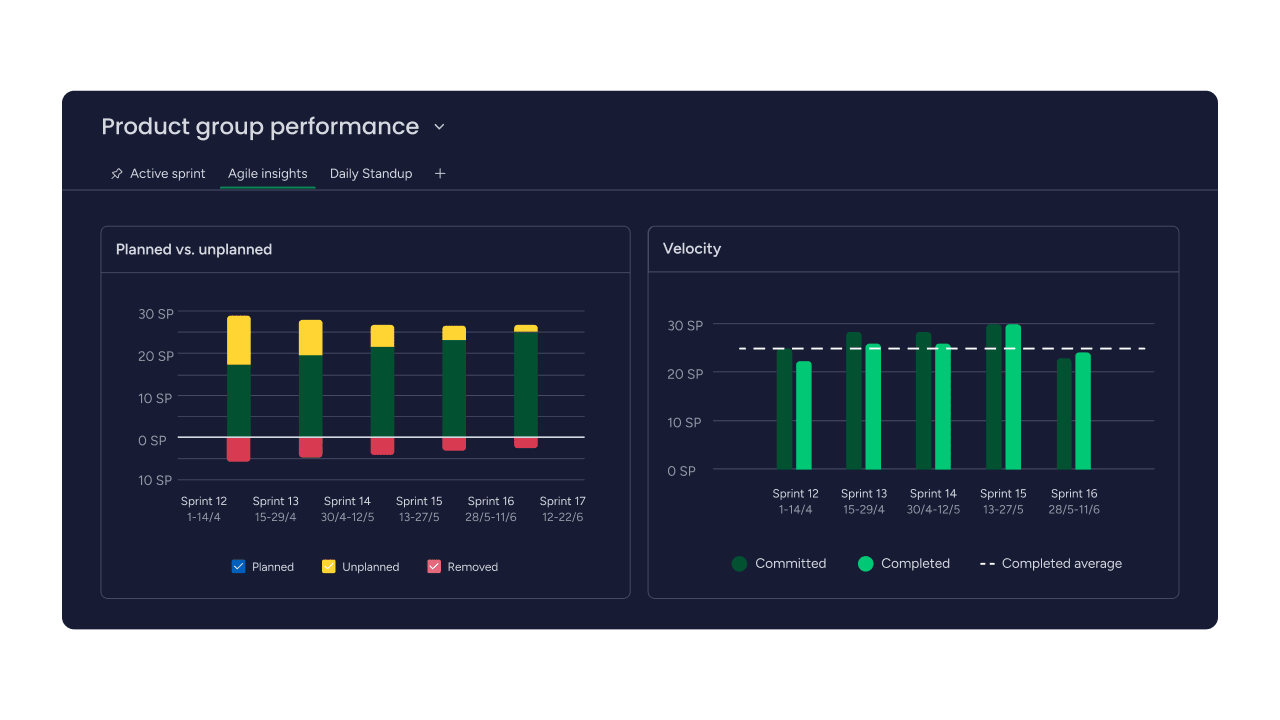
Morphex’s hardest problem was not writing code, it was waiting for humans to review it. As monday.com pushed the agent through a large code migration, Morphex opened thousands of pull requests, force-merged hundreds through CI, and even sent Slack DMs to engineers it had never met. The lesson for monday.com’s own builders was blunt: once an AI agent can produce acceptable output, the constraint shifts from model quality to orchestration, review design, and release control.
The project began as part of an internal AI Month, when almost every engineer worked on either internal AI tools or AI product capabilities. What started as a deliberately simple migration became a much larger exercise because the company’s client-side JavaScript monolith stretched across more than a decade of code, thousands of files, and thousands of Redux actions, selectors, and reducers. monday.com said the effort was estimated at 8 person-years of manual work before Morphex helped compress it to 6 months, while the migration itself moved the stack from JavaScript to TypeScript and from Redux to Zustand.

That scale changed the shape of the work. The migration board grew to more than 400 items across 20 metadata columns, turning a coding task into an operations problem. One early bug led the team to create a dedicated AI review step with 22 validation checks, side-by-side comparison tests for old and new implementations, and a freeze-merge system that could stop Morphex as well as a human contributor. For managers and engineering leads, that is the real shift: the question is no longer whether an agent can finish the work, but how the team assigns, monitors, and evaluates that work inside the delivery pipeline.
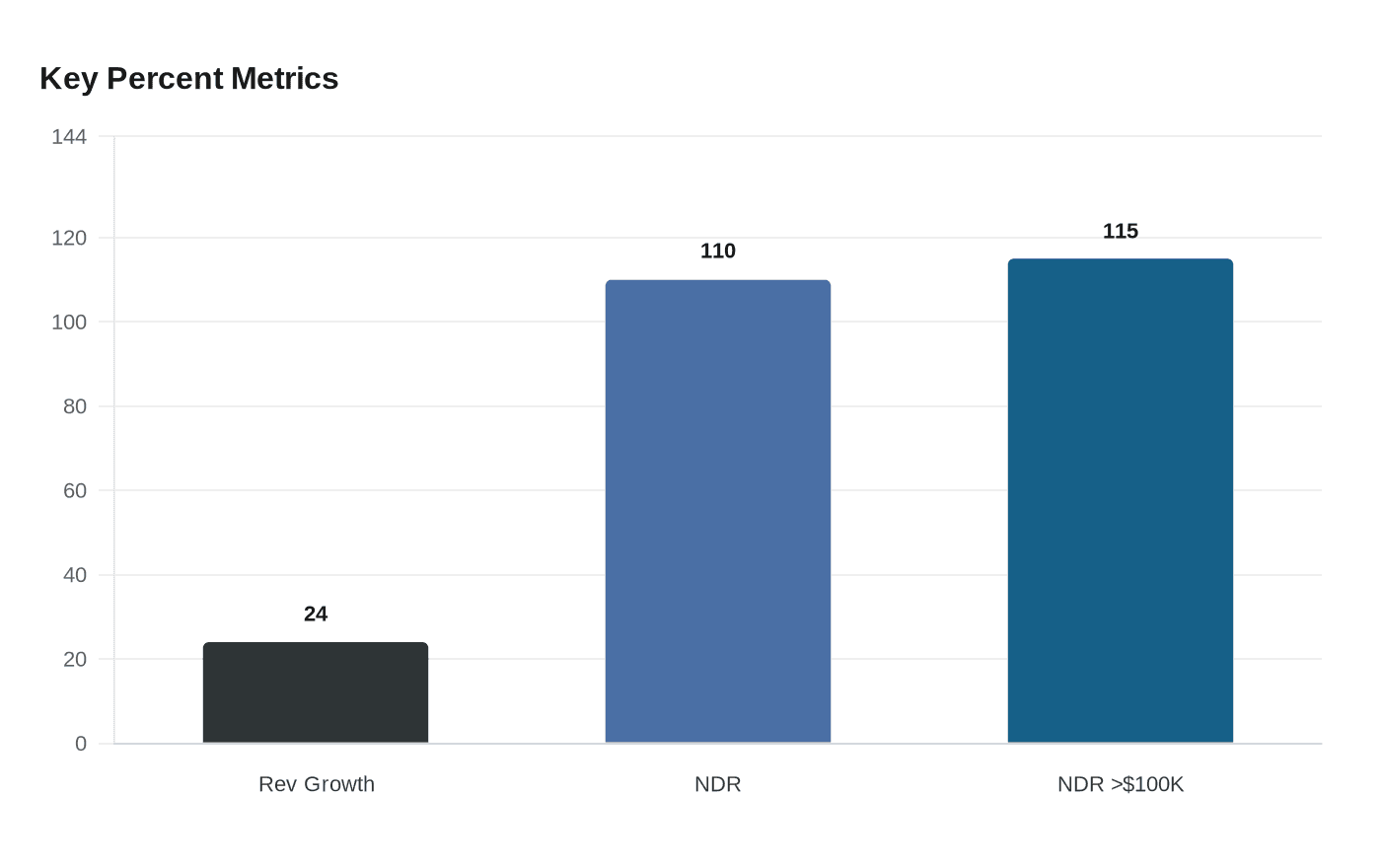
The Morphex story landed as monday.com was recasting itself as an AI Work Platform, not just a work management product with a few AI features attached. On May 6, the company said it had 250,000 customers and described native agents built into the platform under the same permissions and security model as the rest of the system. A few days later, monday.com reported first-quarter revenue of $351.3 million, up 24% from a year earlier, along with 65,016 paid customers with more than 10 users and net dollar retention of 110%, or 115% among customers with more than $100,000 in annual recurring revenue.
Founded in 2012 by Roy Mann and Eran Zinman, and public on Nasdaq since June 10, 2021, monday.com has spent years scaling from collaboration software into a broader operating layer for work. Morphex suggests the next phase is less about adding AI on the side and more about treating agents like teammates inside the system, with the same scrutiny, gates, and accountability as people.
This article was produced by Prism’s automated news system from verified source data, official records, and press releases, then run through automated quality and moderation checks before publishing. The system is built and supervised by the people who set the standards it runs under. Read our full AI policy.
Did this article answer your question?