monday.com says remote teams need coordination, not just permission to work from home
monday.com’s remote-work playbook is really about coordination: clear ownership, visible handoffs, and a system that turns meetings into work.
monday.com is making a bigger claim than most remote-work pages do. The real problem with hybrid teams is rarely permission to work from home; it is the absence of a coordination system strong enough to keep decisions moving, owners visible, and follow-ups from disappearing into chat threads.
That framing matters inside monday.com as much as it does for customers. The company has grown from a Tel Aviv startup founded in 2012 by Roy Mann, Eran Kampf and Eran Zinman into a public SaaS business on Nasdaq with 3,155 employees at the end of 2025, 27% fiscal-year revenue growth, and more than 41% of ARR coming from customers with over $50,000 in annual recurring revenue. At that scale, remote work is not a perk question. It is an operating-model question.
Hybrid fails when nobody owns the handoffs
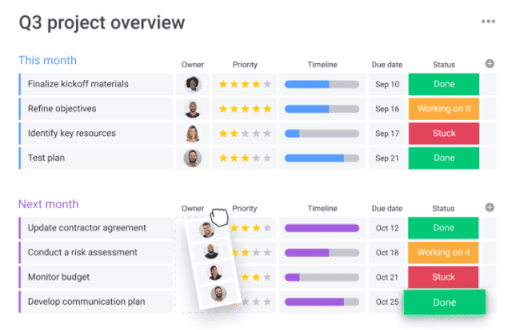
The most useful thing about monday.com’s remote-work materials is that they do not romanticize flexibility. Instead, they describe the mechanics that make distance workable: teams can connect Zoom, Slack, email, calendar, spreadsheets and other tools in one place, then assign ownership, surface updates, and keep follow-ups visible. That is less about collaboration theater and more about reducing the hidden tax of distributed work.
The company’s own remote-work hub pushes the same logic through templates and guides. It includes remote work requests, a COVID-19 communications plan, a COVID-19 risk assessment, sync meeting summaries, daily team tasks, a log for 1-on-1 meetings, team time tracking, remote equipment checks, a knowledge library, a resource center and employee onboarding. Taken together, those templates describe the real job of a manager in a hybrid company: make work legible enough that people can act without chasing context all day.
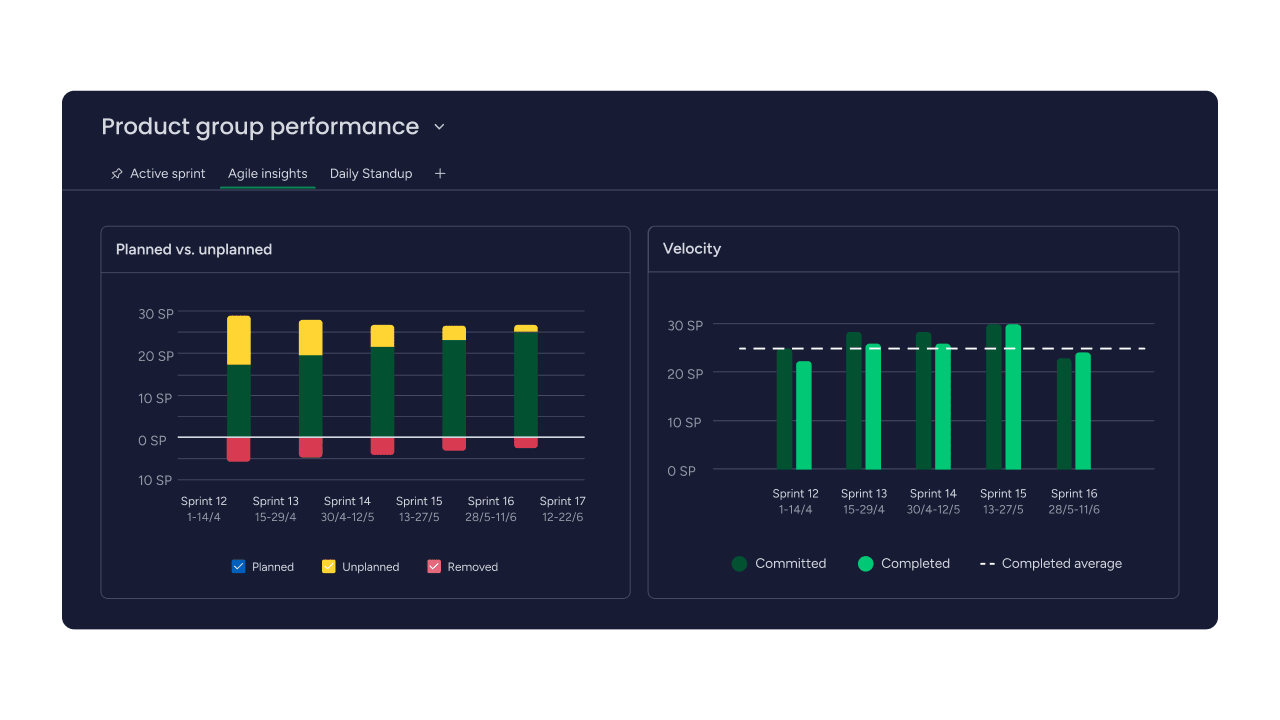
That is why the product pitch lands as a management guide. Time tracking, automations, workload, timeline and calendar views are not just feature names. They are ways to make distributed work less expensive, because they turn ambiguity into something you can see, assign and sequence.
What the research says about remote work now
Gallup’s recent coverage backs up monday.com’s instincts. Remote workers are working fewer hours on average than they did before the pandemic, but Gallup argues that fewer hours do not automatically mean productivity is falling. The bigger point is that hour-counting is a weak proxy for whether a team is actually effective.

Gallup’s later hybrid-work analysis is even closer to the monday.com thesis. The share of remote-capable U.S. employees in hybrid work slipped from 55% to 51% over the prior two quarters, but Gallup says the model has largely stabilized since 2022. Its conclusion is blunt: success depends less on mandates and more on how teams coordinate schedules and build trust.
That distinction matters because a lot of companies still treat hybrid work like a policy debate. Gallup’s reporting suggests the better question is whether the team has a reliable rhythm for updates, decisions and escalation. It also notes that federal remote work changed sharply in 2025 after President Donald Trump returned to office and his administration ended remote work for most federal employees, a reminder that top-down rules can change quickly while the coordination problem stays the same.
MIT Sloan’s hybrid-work research points in the same direction. Managers should set clear performance goals, focus on results rather than face time, and use structured team discussions to reduce unnecessary meetings. In other words, hybrid work works best when leaders design the operating system instead of simply declaring where people are allowed to sit.
The first workflows leaders should standardize
For monday.com users, the practical payoff is not “use more software.” It is standardize the few workflows that create the most drag when they are inconsistent. Three should come first:
- Status visibility. Every team needs a single place where work is current, not a dozen places where work is probably current. That means one owner, one status, one source of truth, and clear signals for what is blocked, in progress or done.
- Handoffs. Hybrid teams lose time when work changes hands without context. Monday.com’s mix of assignments, updates, workload and timeline views is built to make transitions obvious, so a designer, engineer, marketer or sales rep knows what came before and what needs to happen next.
- Meeting-to-action tracking. Sync meetings and 1-on-1s are only useful if they produce visible follow-ups. The remote-work templates around sync meeting summaries and task logs point to a simple discipline: capture decisions in the same system where work gets assigned.
Those are small habits individually. Together, they determine whether a remote team feels coordinated or merely distributed.
Why this matters inside monday.com
This story is also about monday.com’s own identity as a product company. A platform that sells work management to hundreds of thousands of customers across more than 200 countries and territories has to prove that it can coordinate complexity at scale. That is why its remote-work materials read like a systems manual rather than a culture manifesto.
For engineers, product managers and sales teams inside monday.com, the implication is straightforward. Remote work is only as strong as the workflow design underneath it. If ownership is fuzzy, if updates live in scattered tools, and if decisions stall because nobody can see the next step, then hybrid becomes friction. If the team has clear goals, clean handoffs and visible follow-through, distance stops being the problem it is often made out to be.
That is the real lesson in monday.com’s remote-work pitch. The future of hybrid work is not about being allowed to work anywhere. It is about building an operating system that makes work understandable, accountable and movable, even when the team is not in the same room.
This article was produced by Prism’s automated news system from verified source data, official records, and press releases, then run through automated quality and moderation checks before publishing. The system is built and supervised by the people who set the standards it runs under. Read our full AI policy.
Did this article answer your question?