monday.com touts AI work platform edge over Airtable
monday.com is pitching a $9 entry point against Airtable’s $20 plans as its AI tools move from assist to execute, sharpening the platform-vs-database divide.
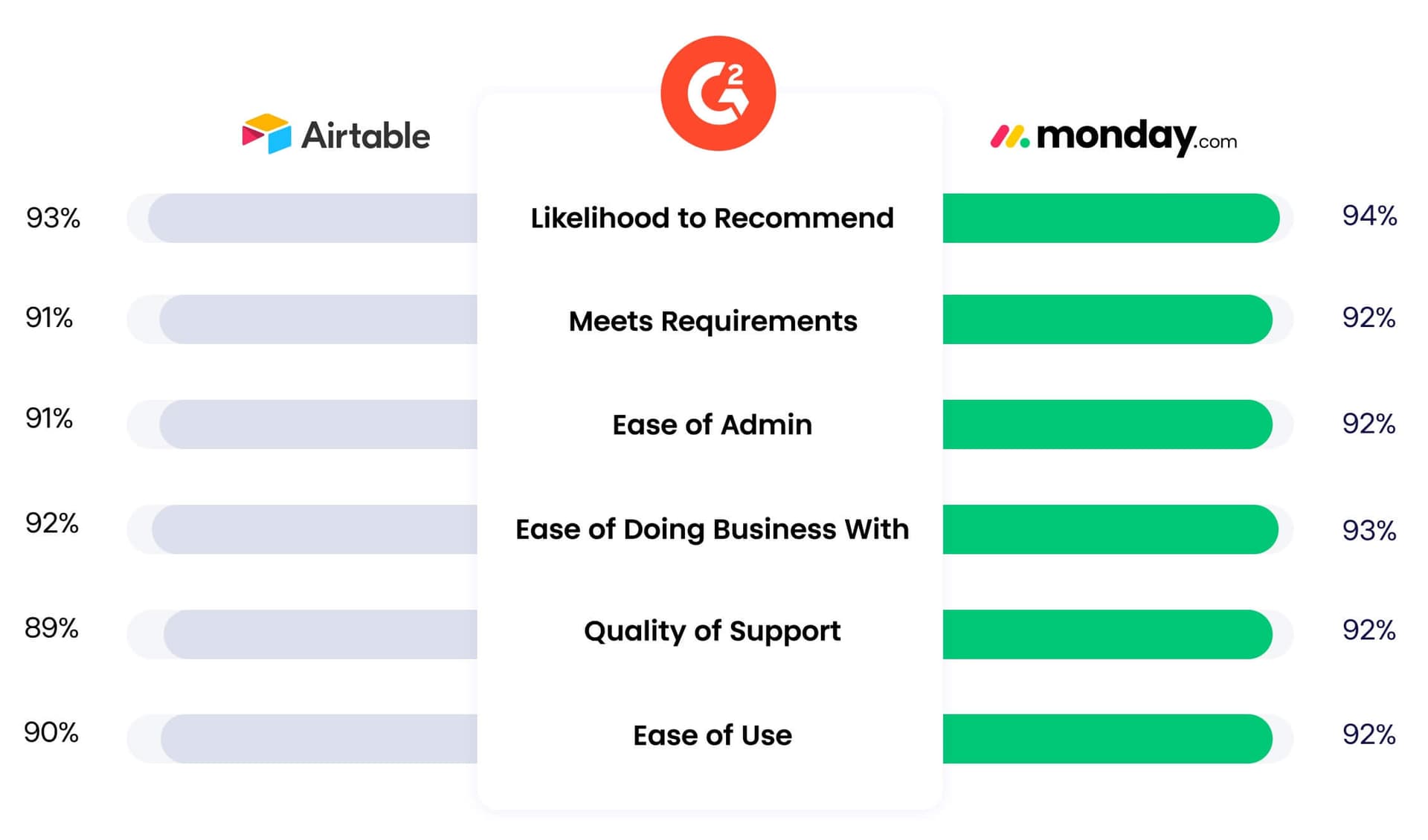
The sharper question behind the monday.com and Airtable comparison is not which product has more features, but which kind of system a team actually needs. monday.com is selling a visual, AI-powered work operating system built for coordination, while Airtable is positioning itself as a relational database for structured data and app creation. That difference shows up immediately in pricing: monday.com starts at $9 per user per month, while Airtable’s entry-level paid plans start at $20 per seat per month.
For monday.com, the strategic case is that simplicity still has to scale. The company says it now serves more than 250,000 customers worldwide and describes its AI work platform as one where AI “doesn’t just assist, it executes.” Its FY2025 results gave that claim some weight: fourth-quarter revenue reached $333.9 million, up 25% year over year, and monday vibe became the fastest product to cross $1 million in annual recurring revenue in company history. The company also said more than 60,000 apps had been built on monday vibe in about three months, while new products accounted for more than 10% of total ARR in Q3 2025.

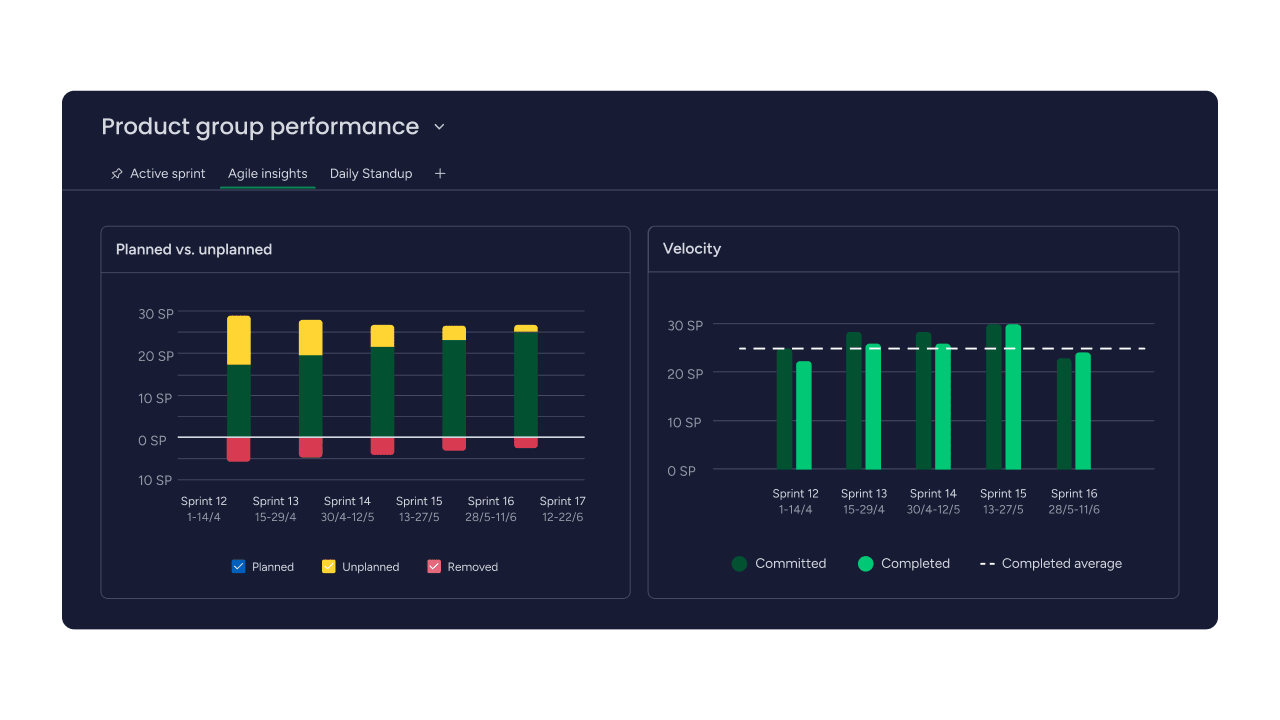
That matters inside monday.com because it clarifies where the company thinks the market is heading. Vibe, Agents, Sidekick and MCP are not just product names, they are the proof points monday.com is using to argue that a work platform can stay usable for nontechnical teams while still absorbing more automation, more connectors and more complex workflows. For sales teams, that means the pitch is increasingly about matching the right customer to the right mental model, not just winning on price or interface.
Airtable is making its own move up the stack. The company says 500,000 organizations use its product, including 80% of the Fortune 100, and its public messaging now describes it as an AI-native app platform rather than a database tool. Chief executive Howie Liu called the shift a “refounding moment” and introduced Superagent, a multi-agent system for work, signaling that Airtable wants to own the same enterprise AI conversation monday.com is chasing.
The practical differences still matter when a rollout gets messy. Airtable’s self-serve plans are billed per workspace, not per account, and its Business and Enterprise Scale plans require private email domains. That is the kind of detail that becomes a governance issue once a tool moves from one team to many. In the end, the monday.com-Airtable shorthand is less about user interface and more about scale: whether a company wants a coordination layer that people adopt quickly, or a database-first system that can be shaped around a more specialized workflow.
This article was produced by Prism’s automated news system from verified source data, official records, and press releases, then run through automated quality and moderation checks before publishing. The system is built and supervised by the people who set the standards it runs under. Read our full AI policy.
Did this article answer your question?