NeuBird's Falcon Agent Pushes SRE Teams Toward Autonomous Incident Remediation
NeuBird's Falcon agent resolved 230,000 alerts and saved $1.8M before its public launch; now it's rewriting what SRE teams owe their companies.
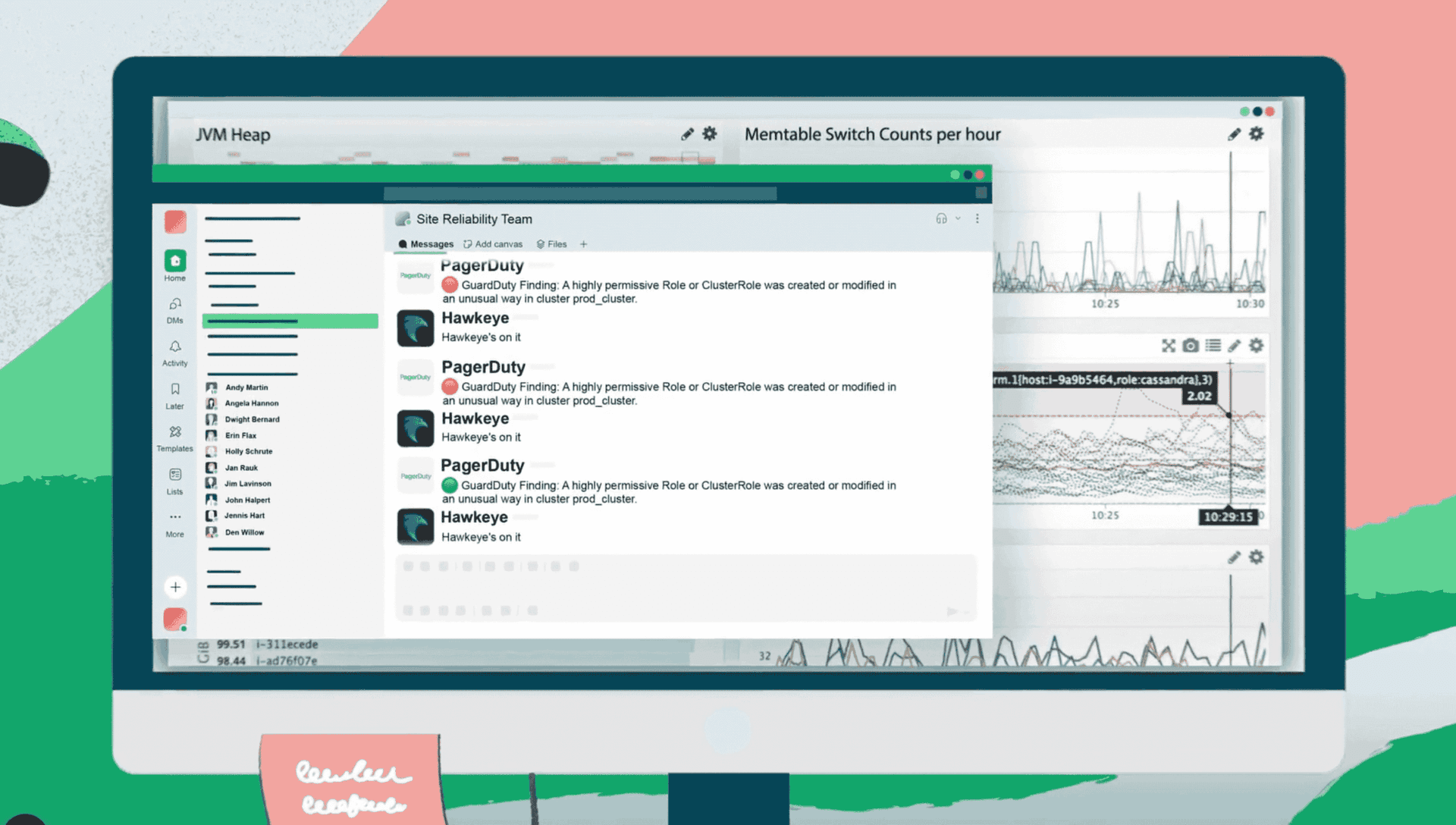
NeuBird AI pulled off a notable move on April 6, announcing Falcon, its autonomous production operations agent, alongside an oversubscribed $19.3 million funding round led by Xora Innovation. By the time the launch hit the press, NeuBird had already logged 230,000 alerts resolved, 12,000 engineer hours reclaimed, and $1.8 million in engineering spend saved across healthcare, banking, retail, and high-tech customers since its December 2024 debut. This is not a product seeking proof of concept.
The company's argument is that the entire framing of "incident response" is obsolete. Venkat Ramakrishnan, NeuBird's President and COO, said it plainly in an interview tied to the launch: "Incident management is so old school. Incident resolution is so old school. Incident avoidance is what is going to be enabled by AI." Falcon is designed to make that pivot operational: it reasons across telemetry sources in real time, performs root-cause analysis without waiting for an engineer, and in many cases autonomously remediates or orchestrates human-in-the-loop escalations. NeuBird claims teams can cut mean time to repair by up to 90%.
The scale of the problem Falcon is targeting comes from NeuBird's own 2026 State of Production Reliability and AI Adoption Report, a survey of more than 1,000 professionals. Engineers spend an average of 40% of their time managing incidents rather than building. Nearly 80% of companies report that up to half of their on-call staff show signs of burnout. A sharp perception gap compounds the dysfunction: 74% of C-suite executives believe their organizations are already using AI to manage incidents, while only 39% of practitioners agree.
Accompanying Falcon is FalconClaw, a tech-preview skills hub compatible with the OpenClaw ecosystem, which lets teams encode institutional knowledge as reusable agent routines and govern them across the organization. NeuBird also launched a Desktop product that lets engineers invoke the agent directly from the command line and chain it with coding tools like Claude Code and Cursor to automate runbook updates alongside remediation actions.
For Monday.com's engineering and platform reliability teams, the launch signals a shift in what enterprise customers will expect from any SaaS vendor running in production. If autonomous agents begin owning the monitoring-to-remediation loop, customers will arrive at monday.com with new questions: how do agent-driven incidents surface inside monday service or monday dev workflows, and who owns accountability when an autonomous remediation touches production data?
The organizational changes required to safely pilot this kind of tooling are not cosmetic. Runbooks need to be written with machine readability in mind, not just as human reference documents. Rollback policies must be explicit and tested before agents are granted remediation authority. Approval gates need precise definition before any deployment begins: which incident types an agent can close autonomously, and which require engineer sign-off, must be documented at the team level. On-call roles shift in kind; the engineer who once spent 40% of time triaging alerts becomes the person responsible for building, testing, and auditing the agent skills that execute in their place.
For the first 90 days of any autonomous ops pilot, the ROI case is real but narrow. Time saved on alert triage is measurable. Risk accumulates in quieter places: credential scope, audit trail completeness, and what happens when an agent's remediation conflicts with an in-progress deployment. Those are the questions Monday.com's product and engineering teams should be asking now, before customers start demanding answers.
NeuBird's round brings in Mayfield, StepStone Group, Prosperity7 Ventures, and M12, Microsoft's venture fund. Founders Gou Rao and Vinod Jayaraman previously built Portworx through its acquisition by Pure Storage, a pedigree that carries weight in SRE circles skeptical of pure-ML entrants. The competitive pressure they represent is already expanding: vendors across infrastructure, security, and DevOps are racing to offer their own agent skills hubs, and the platforms that integrate most cleanly with those agents will define the next layer of enterprise workflow.
Know something we missed? Have a correction or additional information?
Submit a Tip