Slack's 30-Feature AI Overhaul Challenges Monday.com's Work OS Ambitions
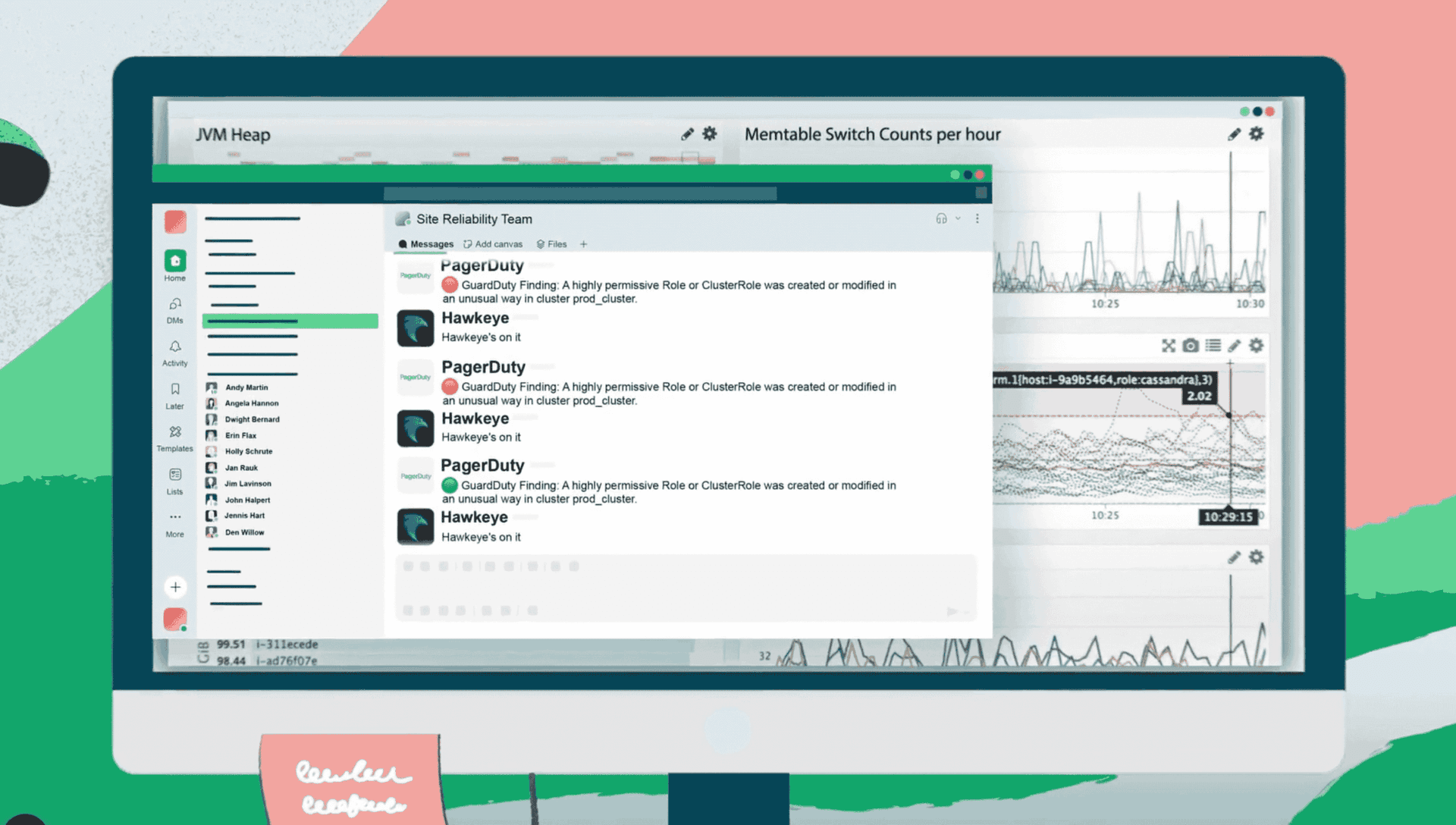
Salesforce bundled a reusable-skills AI agent, desktop automation, and a native CRM into Slack on March 31, compressing what monday.com calls its Work OS into a chat window already open on 32 million desktops.
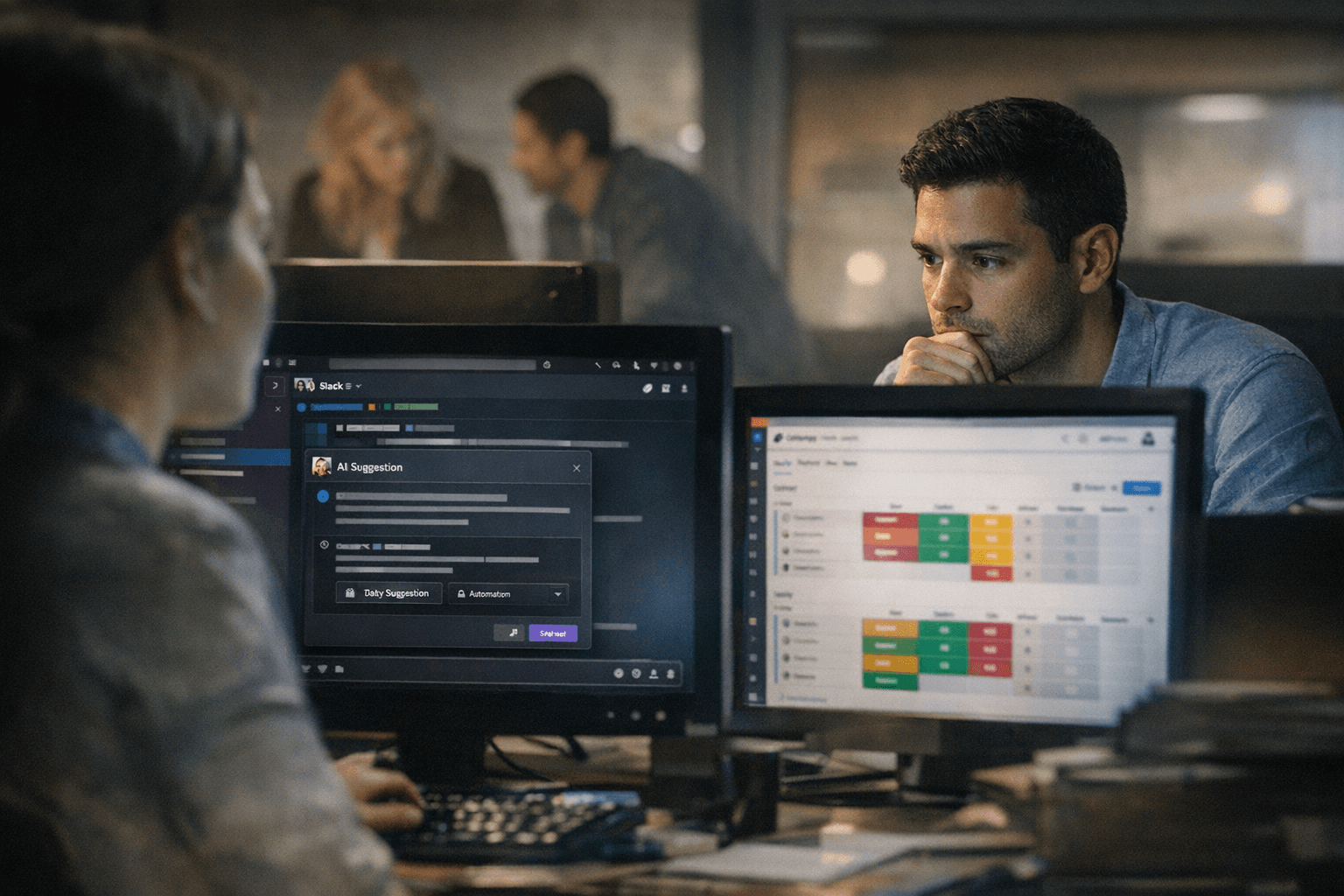
When Salesforce co-founder and CTO Parker Harris told reporters gathered in San Francisco on March 31 that "Slack is where you can get the work done," he was not describing a messaging app. He was describing Monday.com's addressable market.
At a keynote headlined by CEO Marc Benioff, Salesforce unveiled more than 30 new AI-powered capabilities for Slackbot, the most sweeping upgrade to the platform since Salesforce paid $27.7 billion to acquire it in 2021. The core shift: Slackbot no longer asks users what to do and waits. It now defines reusable "AI skills," captures transcriptions and action items across Zoom, Google Meet, and other video providers, operates natively on users' desktops outside the browser, and surfaces a lightweight CRM without requiring any new installation. The new features run on Anthropic's Claude and are live now for Business+ and Enterprise+ subscribers, with limited rollout to free and Pro tiers beginning in April.
For Monday.com's engineering and product teams, the feature list maps almost exactly onto the coordination jobs the Work OS was built to own. The reusable AI skills architecture is the most direct parallel: a user defines a task once, say routing an intake request, summarizing a standup, or drafting a follow-up, and Slackbot executes it on command in any channel or context, no additional setup required. That replicates a significant slice of Monday.com's low-code automation layer, and does it inside the interface where decisions are already being made. Slackbot's new role as a Model Context Protocol client extends the threat further, giving it the ability to pull data from and execute tasks across Agentforce, Zoom, Google Meet, and dozens of other enterprise tools without switching surfaces. Every integration pattern monday.com's engineering team currently owns as a competitive moat now has a Slack-native alternative being tested in production accounts.
The bundling play makes the competitive timeline urgent. Starting this summer, every new Salesforce customer will receive Slack automatically provisioned with AI features active from day one. Salesforce reported $41.5 billion in fiscal year 2026 revenue, up 10% year-over-year, and is targeting $3 billion in Slack revenue for fiscal year 2027, with Agentforce ARR already at $800 million, up 169% year-over-year. That is a distribution machine that will place an agentic Slackbot inside enterprise accounts before monday.com's sales team schedules a discovery call.
For monday.com's CRM and go-to-market teams, the lightweight CRM baked directly into Slack is the most immediate pricing pressure point. SMBs that already pay for Salesforce and receive a native CRM in their messaging layer will interrogate whether a separate monday CRM seat still earns its cost. That conversation is happening now, and it will intensify once the summer bundling takes effect.
The defense plan for monday.com runs on three tracks: standardize data and records inside monday.com as the system of record so that Slack surfaces pull from it rather than replace it; automate the handoff between Slack conversations and monday.com items so work that originates in chat doesn't stay there; and keep humans visibly in the loop at decision points, with clear audit trails, so that governance becomes a product differentiator rather than an afterthought. The launch was the first major release since former Slack CEO Denise Dresser departed in December 2025 to become OpenAI's first chief revenue officer. That Salesforce's own executive suite felt the pull of the frontier AI moment makes the urgency of Tuesday's response plain.
Know something we missed? Have a correction or additional information?
Submit a Tip