OpenAI’s $3.7 billion burn raises AI pricing questions for monday.com teams
OpenAI spent $3.7 billion in one quarter, and monday.com’s May 6 AI credit model shows why buyers now want ROI, caps and clear usage math.
OpenAI’s $3.7 billion quarterly burn is a reminder that frontier AI is not just a product race, it is a cost race. When a model provider spends more than half of its $5.7 billion revenue in three months, the economics of training, serving and supporting AI at scale become part of every enterprise buying conversation, including inside monday.com.
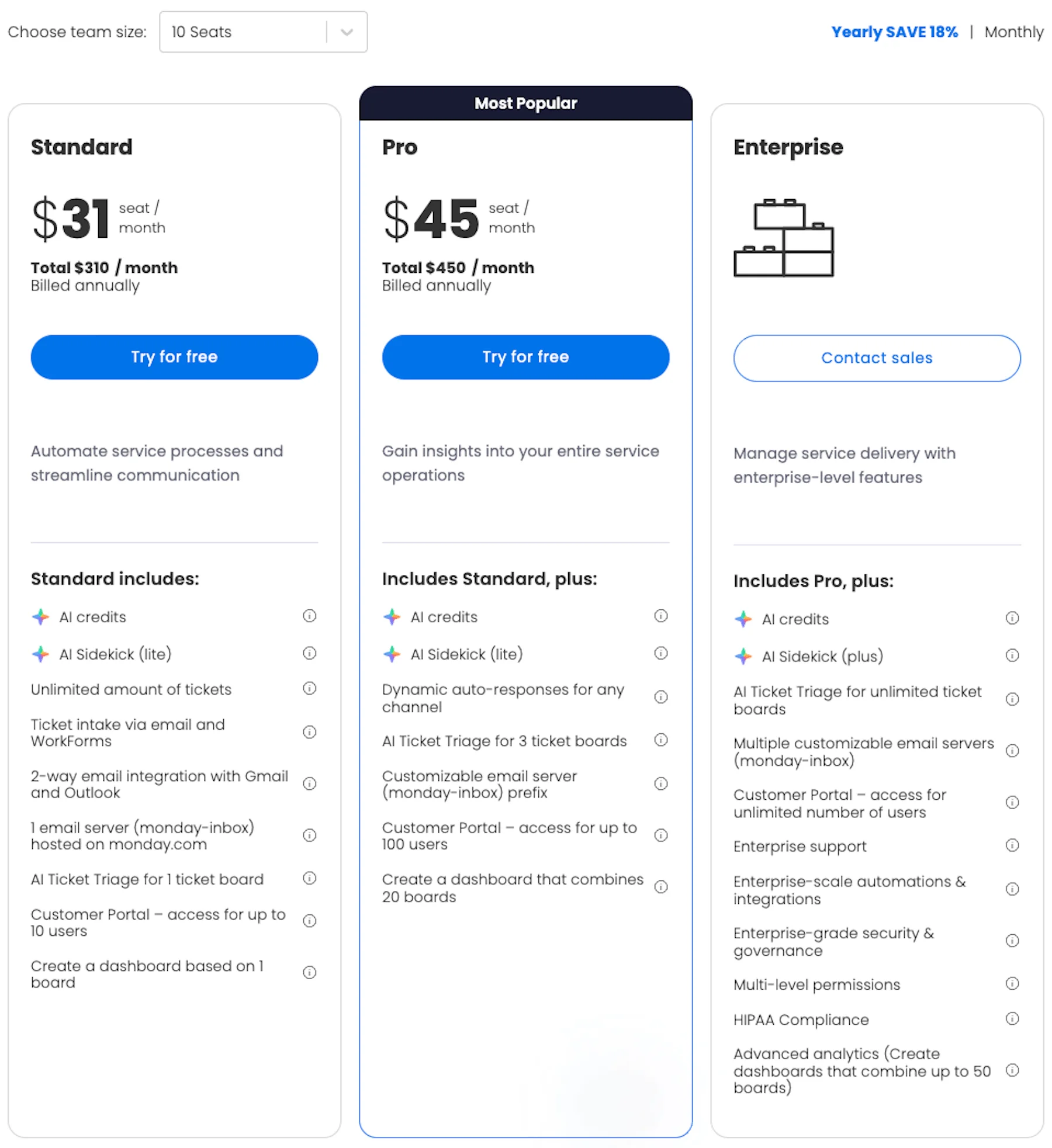
For monday.com Ltd., that matters because its AI push is already moving toward metered usage. Since May 6, the company has applied a new AI Work Platform pricing model to customers who joined on or after that date, pairing seats with AI credits. monday.com says the model does not affect monday CRM, monday dev or monday service, but it does make AI consumption visible in the core work platform, where finance teams and procurement departments are likely to scrutinize every added charge.

The company’s own support materials show how tightly that usage is being defined. AI credits are the shared currency across monday AI capabilities. AI blocks consume credits per action, monday vibe consumes credits per message, AI Notetaker is measured in meeting minutes, and monday agents draw different amounts depending on task complexity, from roughly 10 to 50 credits for simple work to 250 or more for extra-complex jobs. monday.com also says AI-infused workflows consume 8 AI credits per run. That is the language of product design, but it is also the language of cost control.
That reality should shape how monday.com teams build and sell. Product managers need AI features with a clear business case, not just a longer feature list. Engineers need to treat AI architecture as cost architecture, because a feature that looks smart in a demo can become a liability if inference costs outrun usage. Sales teams should expect tougher questions about ROI, usage caps and whether AI is bundled, metered or buried behind consumption layers that inflate the bill after the contract is signed.
The timing is especially pointed because OpenAI has confidentially filed for a U.S. IPO, which will intensify pressure on the wider AI market to show a durable business model instead of open-ended capital burn. monday.com has been leaning into the same trend on its own roadmap, with AI agents introduced on February 9, 2026 and Agentalent.ai launched on March 13, 2026. Its May 6 platform shift marks a larger bet: enterprise AI now has to pay for itself in real workflow gains, not just in polished demos.
This article was produced by Prism’s automated news system from verified source data, official records, and press releases, then run through automated quality and moderation checks before publishing. The system is built and supervised by the people who set the standards it runs under. Read our full AI policy.
Did this article answer your question?