Oracle cuts 21,000 jobs as it shifts to AI and cloud
Oracle’s 21,000-job cut signals how SaaS firms are reshaping teams around AI and cloud, even as monday.com builds its own agent strategy.

Oracle’s workforce fell by about 21,000 jobs in fiscal 2026, a 13 percent drop that left the company with 141,000 employees as of May 31, 2026. The cut is a blunt reminder for SaaS workers that AI and cloud investment are not just changing product road maps, they are changing which jobs get protected, consolidated, or eliminated.
Oracle said it spent $1.84 billion on severance payments and other exit costs during fiscal 2026, up sharply from $374 million the year before. In its annual report, the company linked workforce changes to management and product shifts, performance issues, strategic moves, and acquisitions. The numbers show how aggressively Oracle is trying to reposition itself while funding large data-center and AI commitments aimed at competing more directly with Amazon and Microsoft.

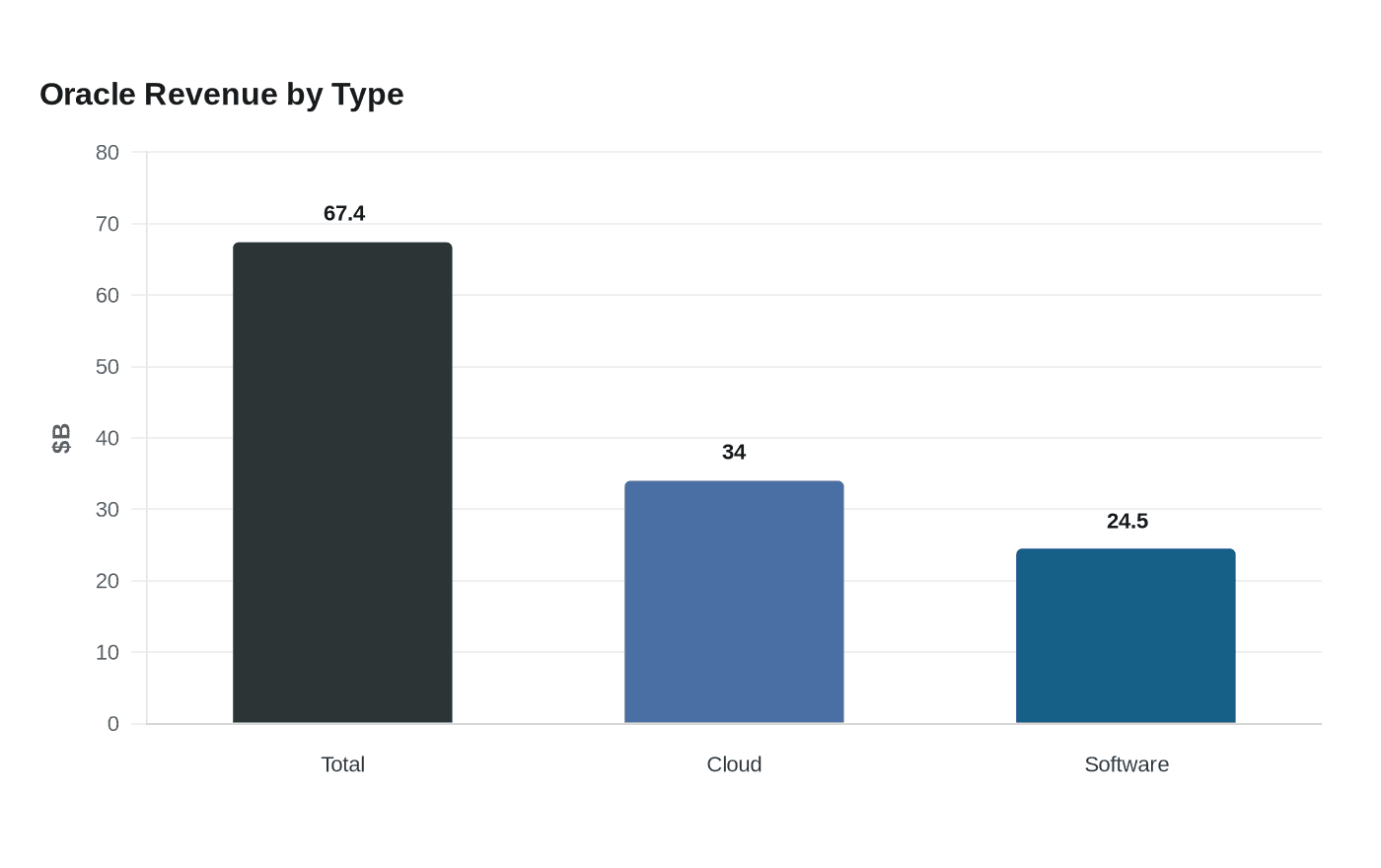
The company’s fiscal 2026 earnings materials make the pivot plain. Total revenue rose 17 percent to a record $67.4 billion. Cloud revenue increased 39 percent to $34.0 billion, while software revenue slipped 1 percent to $24.5 billion. For employees inside enterprise software, that mix matters because it shows where capital is flowing and where legacy lines are losing leverage. Teams tied to older software businesses face more scrutiny, while cloud infrastructure, AI tooling, and the product groups that support them gain strategic weight.
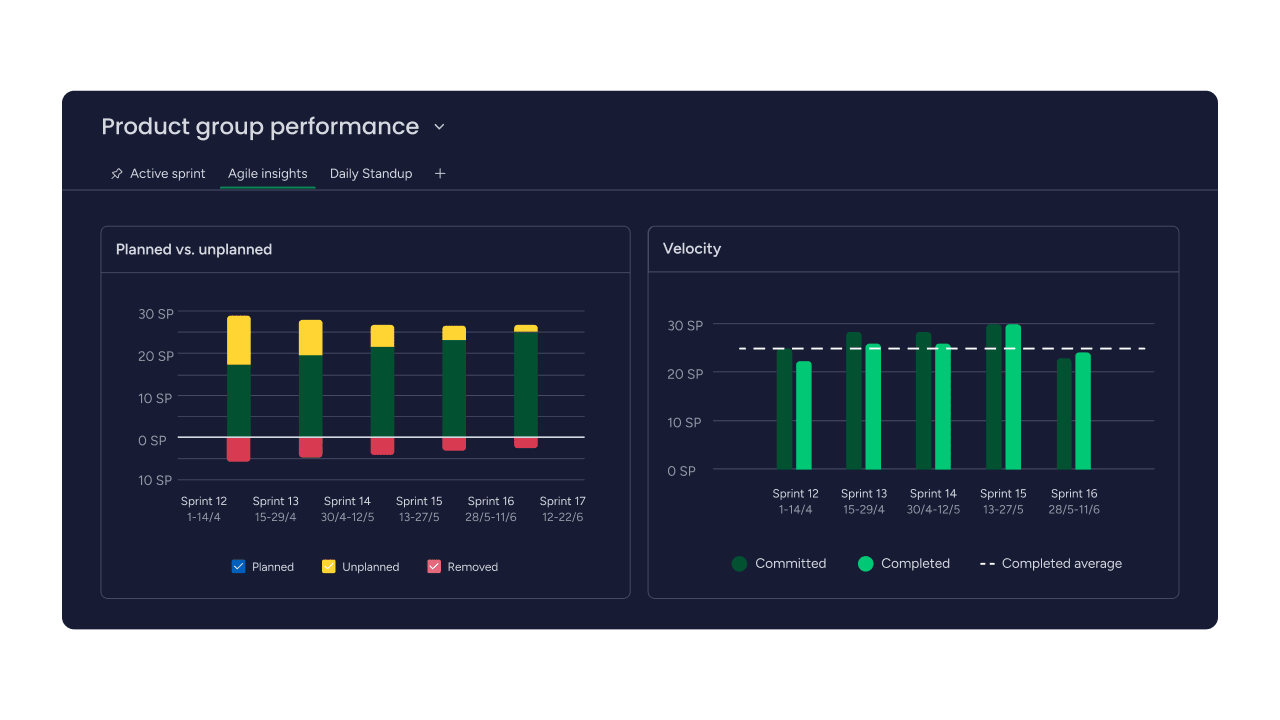
That dynamic is already visible at monday.com. On May 6, 2026, the company said it was becoming an AI Work Platform, rebuilding its product around native AI agents working alongside people. A few days later, in first-quarter 2026 results, monday.com reported revenue of $351.3 million, up 24 percent from a year earlier, along with record GAAP and non-GAAP operating income. The company also said it had more than 250,000 customers worldwide on its investor-relations site, giving its AI push a much wider footprint than a cosmetic product rename.
The broader lesson for monday.com engineers, product managers, and sales teams is to watch how leadership talks about efficiency. In SaaS, AI can become a force multiplier that funds hiring and product expansion, or it can become the rationale for trimming headcount and compressing layers. monday.com’s own 2025 revenue of $1.232 billion, up 27 percent, and its 2024 milestone of $1 billion in annual recurring revenue show a business still growing fast enough to invest. The question across the sector is whether those gains are used to build more, or to do the same work with fewer people.
This article was produced by Prism’s automated news system from verified source data, official records, and press releases, then run through automated quality and moderation checks before publishing. The system is built and supervised by the people who set the standards it runs under. Read our full AI policy.
Did this article answer your question?