Salesforce and Databricks push enterprise AI toward governed workflows
Salesforce’s Databricks deal shows enterprise AI moving from chat to governed action, a shift monday.com is already building into agents, permissions, and workflows.
Salesforce’s expanded Databricks partnership is a sign that enterprise AI is moving from flashy demos to controlled execution. The pitch is no longer just access to data, but governed data, permissions, approvals, and workflows that let agents take trusted action. For monday.com, that is a familiar direction: the closer AI gets to the board, the customer record, and the approval chain, the more it matters to day-to-day work.
What the Salesforce-Databricks deal is really saying
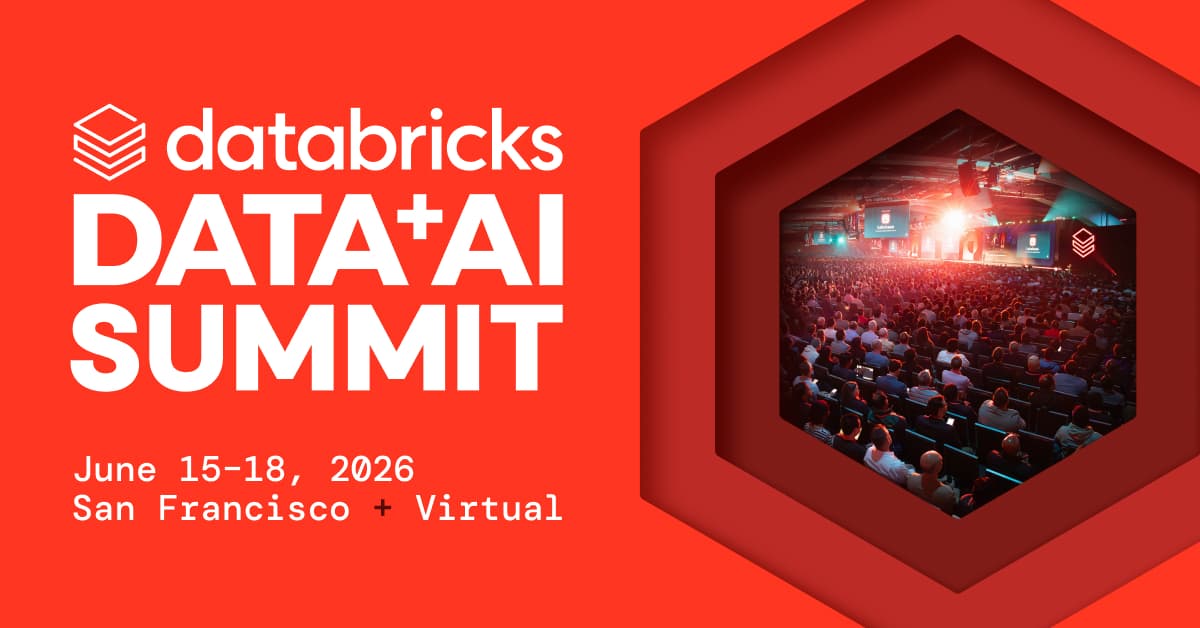
Salesforce announced the expanded partnership on June 16, 2026, at Databricks Data + AI Summit ’26 in San Francisco, a gathering that ran June 15-18 and was expected to draw more than 30,000 attendees. That setting matters because the announcement was not framed as a model breakthrough. It was framed as an operating model for enterprise AI, one that connects enterprise data with customer relationships, permissions, approvals, and workflows so agents can deliver trusted outcomes.
The companies said the integration will connect governed enterprise data with business context, workflows, and agent experiences across Data 360, Agentforce, Slack, and MuleSoft. Salesforce also highlighted Zero Copy and Bring Your Own Model capabilities, a signal that the goal is to move and activate data without unnecessary duplication while keeping control over where models run and how they interact with that data. For enterprise buyers, that is the real pressure point: AI is only useful if it can see the right information, respect the right limits, and complete the right steps.
Why this sounds a lot like monday.com’s own pivot
That logic lands directly in monday.com territory. In May 2026, the company said it was becoming an AI Work Platform and rebuilding around people and agents working together. For a company that already sits inside workflows, the shift is not about adding a chatbot layer on top of work. It is about making AI aware of ownership, process state, and the next action a team can safely take.
The scale behind that strategy is hard to ignore. monday.com said it had more than 250,000 customers as of December 31, 2025, 4,547 customers with more than $50,000 in annual recurring revenue as of March 31, 2026, and 3,211 employees as of March 31, 2026. It also reported 2025 revenue growth of 27% and a non-GAAP operating margin of 14%. On top of that, monday vibe became the fastest product in the company’s history to pass $1 million in ARR, which shows that AI features are already moving from novelty to revenue-bearing platform bets.
For workers inside monday.com, that matters because governance-heavy AI is not a side conversation anymore. It affects how product is scoped, how sales stories are told, and how engineering teams build trust into the system. The market is rewarding platforms that can turn AI into part of the workflow fabric, not just a polished interface.
The new enterprise AI requirement: permissions before promises
The Salesforce-Databricks language makes clear what enterprise buyers now expect from AI: not just answers, but safe execution. That means the system needs to know what it can see, what it can change, and when human approval still matters. In practice, that is a much harder product problem than prompt design, because it touches access control, auditability, and workflow orchestration.
monday.com has already been leaning into that same requirement. In March 2026, the company said external AI agents could access the platform through a dedicated onboarding path and operate alongside humans. It also said those agents work under the same governance, security, and permissions standards as human users. That is an important shift from the old “AI as an assistant” model. It makes AI behave more like a regulated participant in the workflow.
The company’s support documentation goes even further by showing that admins can manage AI permissions and monitor AI usage through governance tools. monday.com has also open-sourced HATCHA, a reverse CAPTCHA designed to verify AI agents during signup. That is a strong signal that agent identity is becoming a product feature, not just a security concept discussed in meetings.
What this changes for product, engineering, and sales teams
For product teams, the lesson is straightforward: AI features now live or die by how well they inherit the structure of the workflow. If an agent can act inside boards and workflows, then it becomes part of the operating system for work. If it cannot respect the same permission model as the rest of the platform, it becomes a liability.
For engineers, the challenge is just as concrete. They have to think about interoperability, approval states, logging, and explainability after the fact. The question is not whether an agent can generate a response. The question is whether its action can be traced, controlled, and audited in a way that fits enterprise expectations. That is where the real infrastructure work begins.
Sales teams will feel the shift too. Buyers are increasingly asking how customer data stays governed as agents touch multiple systems. The answer cannot be vague platform language. It has to show how permissions carry across Slack, CRM, work management, and connected systems without losing control. In that sense, the Salesforce-Databricks partnership is less a competitor story than a market signal about what enterprise prospects now expect from any serious AI platform.
The broader competitive takeaway for monday.com
This is where the comparison becomes most useful. Data partnerships are turning into product features. Vendors that can connect enterprise data to workflow actions with strong permissioning are gaining credibility faster than tools that only surface insights. That is especially relevant as monday.com expands CRM and work management into larger, more regulated accounts.
monday.com has already said its agents are built into boards and workflows, available on its monday AI platform and coming to all products. Its enterprise work-management materials also point to AI-driven risk insights, portfolio dashboards, and cross-project dependencies. Put together, the message is clear: the company is not just layering AI onto a mature SaaS product, it is trying to redesign the platform so agents can do real work inside it.
That is also why the Salesforce-Databricks move matters beyond the two companies that announced it. It reflects where the enterprise AI market is heading next. The winners will not be the systems that merely answer questions the fastest. They will be the platforms that can securely connect customer data to agent actions inside everyday workflows, with enough governance to let businesses trust what happens next.
This article was produced by Prism’s automated news system from verified source data, official records, and press releases, then run through automated quality and moderation checks before publishing. The system is built and supervised by the people who set the standards it runs under. Read our full AI policy.
Did this article answer your question?