Salesforce earnings show AI is reshaping software buying habits
Salesforce’s softer forecast shows AI investors want proof, not just product demos, while 98 big deals suggest software still has pricing power.
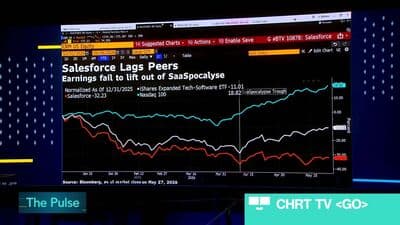
Salesforce’s softer second-quarter outlook is a sharp reminder that the market is no longer rewarding software companies for AI promises alone. Even after reporting record first-quarter revenue of $11.13 billion, up 13% year over year, the company guided below Wall Street estimates, a gap that matters for every SaaS seller trying to defend seat-based pricing in the AI era.
The numbers show both sides of the story. Salesforce said it closed 98 deals above $1 million in annual contract value, a sign that large customers are still willing to pay for enterprise software when it clearly helps them run the business. It also reported current remaining performance obligation of $33.6 billion and remaining performance obligation of $67.9 billion, evidence of a deep installed base. But the market’s reaction reflects a tougher question: if AI agents can complete work that once required a human user to log in and click through a workflow, how much of a classic software subscription still looks essential?

That tension is not abstract for monday.com. The company posted first-quarter 2026 revenue of $351.3 million, up 24% year over year, and launched its AI Work Platform with Native Agents. It also said it had record net adds of customers with more than $500,000 in annual recurring revenue. For product teams, the message is that AI features have to prove they change how work gets done, not just add a new label to the roadmap. For engineering, reliability and performance matter more when buyers expect AI to be embedded in daily execution. For sales, the pitch has to move beyond information management and show measurable workflow gains.
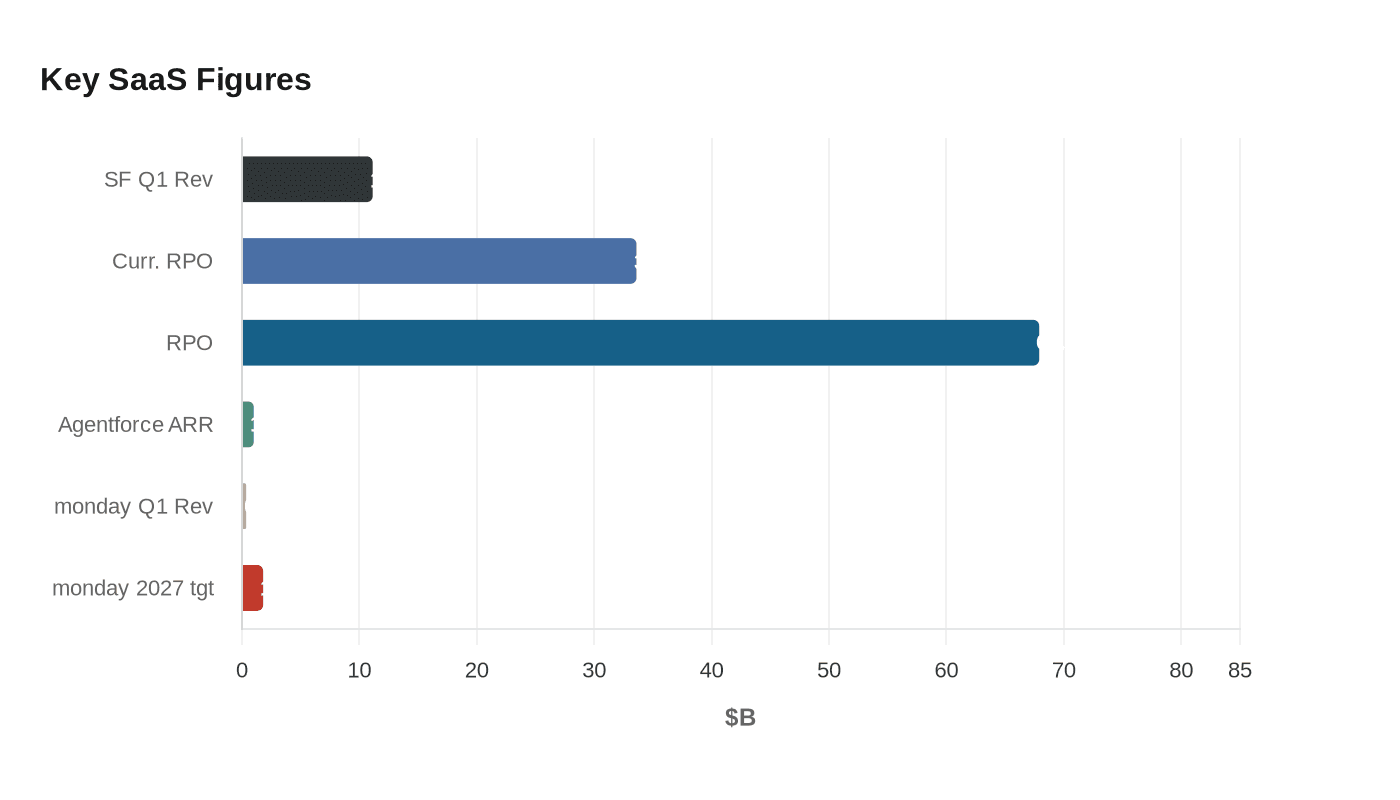
The same pressure is reshaping how investors judge monday.com itself. In its fourth-quarter and full-year 2025 results, the company said customers with more than $50,000 in ARR represented 41% of total ARR, and it said monday vibe was the fastest product to surpass $1 million in ARR in company history. In September 2025, monday.com set a target of $1.8 billion in revenue by the end of 2027, and that goal now sits against a market that is increasingly asking which software products can justify expansion, retention and price increases in a world where AI is becoming table stakes.
Salesforce’s own AI push shows how high the bar has become. Its Agentforce annualized revenue crossed $1 billion, but the company still faces investor scrutiny because software buyers want evidence that AI is improving the operating model, not just generating headlines. For monday.com, the lesson is clear: the next phase of SaaS growth will belong to the platforms that can prove their AI changes the economics of work.
This article was produced by Prism’s automated news system from verified source data, official records, and press releases, then run through automated quality and moderation checks before publishing. The system is built and supervised by the people who set the standards it runs under. Read our full AI policy.
Did this article answer your question?