Salesforce layoffs signal AI-era reshaping of enterprise software teams
Salesforce’s newest cuts hit Agentforce, MuleSoft and Marketing Cloud just as revenue rose 13%, showing AI is also reshaping org charts.
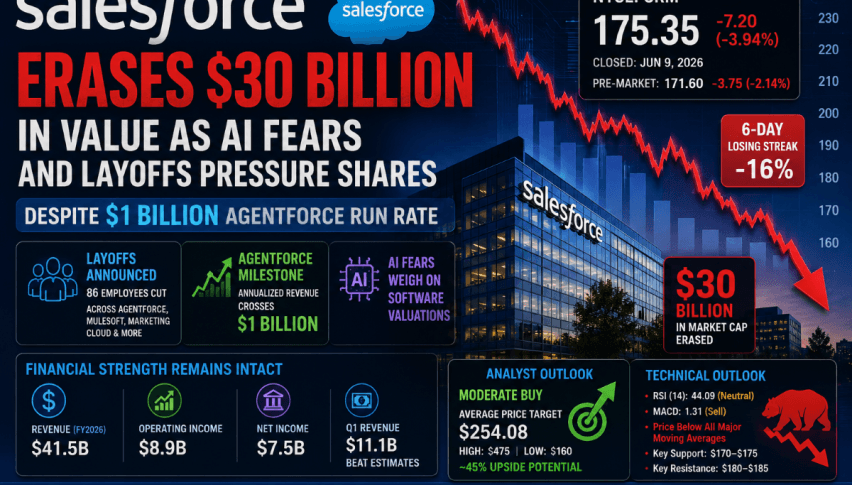
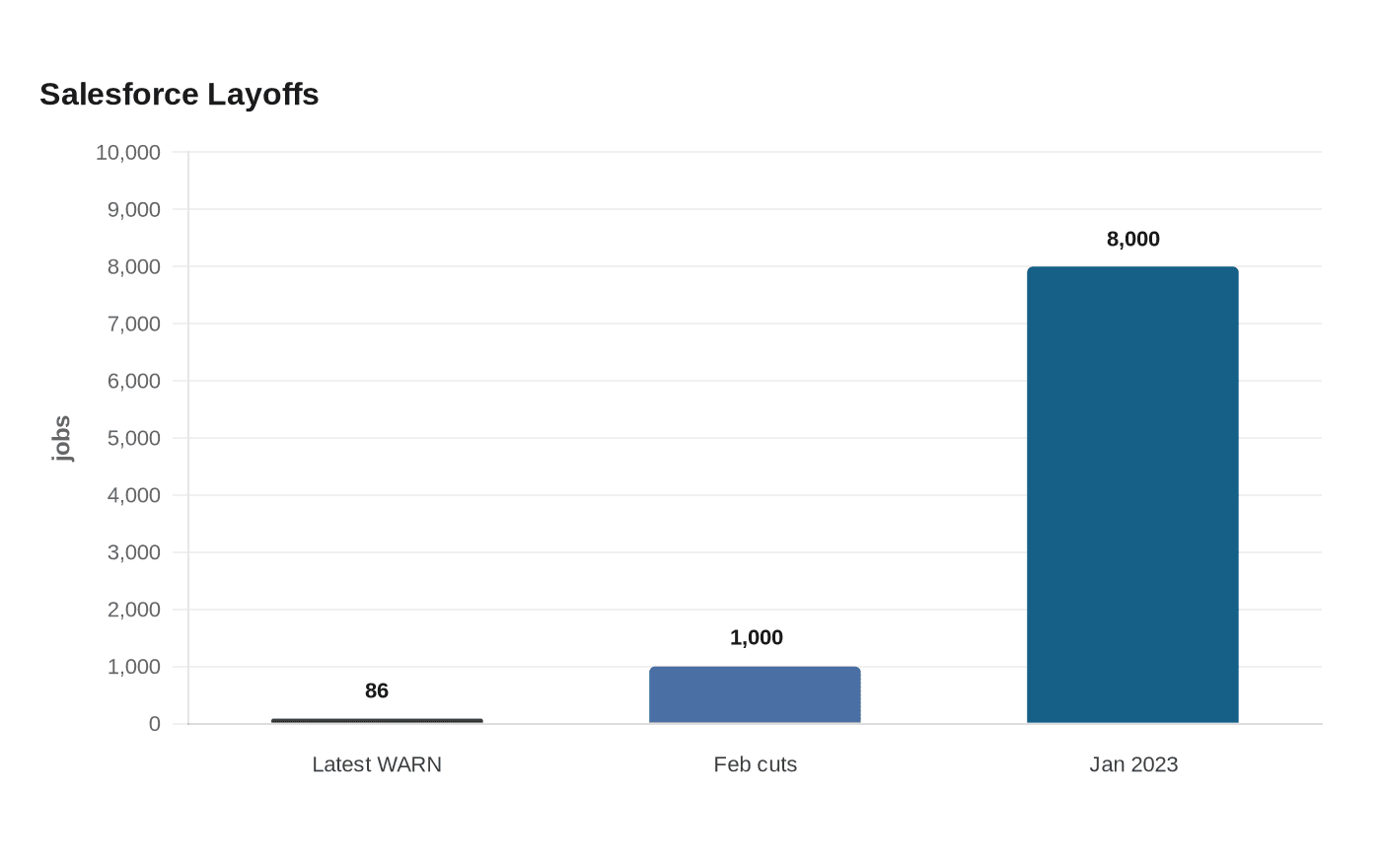
Salesforce’s latest layoffs are less a headline about headcount than a signal about how enterprise software teams are being reorganized for the AI era. Roles tied to Agentforce, MuleSoft and Marketing Cloud were hit, and one California WARN filing listed 86 eliminated positions, even as Marc Benioff’s company kept presenting Agentforce as the center of its next phase.
The timing makes the message harder to miss. On May 27, Salesforce said first-quarter fiscal 2027 revenue reached $11.1 billion, up 13% year over year, and that it returned $27.5 billion to shareholders, including $27.1 billion in share repurchases. At the same time, its investor materials described Agentforce as part of an integrated platform that combines autonomous AI agents, unified data and Customer 360 apps, and said its “Agentic Enterprise” model is transforming how it develops, sells, serves and engages customers. The company is growing, but it is also narrowing where it wants people and money focused.

That pattern has been building for months. In February, Salesforce cut fewer than 1,000 roles, with reductions said to have touched marketing, product management, data analytics and Agentforce teams. In January 2023, it cut about 8,000 employees, roughly 10% of its workforce. Taken together, those moves suggest a company using layoffs not only to trim costs, but to keep reshaping the mix of functions around the products and workflows it now sees as most strategic.
For product managers and engineers at monday.com, the practical read is straightforward: AI roadmaps are increasingly changing the org chart around them. The value is rising for teams that can build agentic features, connect data across systems, and prove those features matter in customer workflows. The pressure is falling on adjacent layers, where integration, packaging and support work can be consolidated once AI becomes central to how a platform is sold and delivered.
Sales teams should read the same signal from the buyer side. Enterprise customers are no longer just asking whether an AI feature exists; they want to know which functions it replaces, which ones it augments, and whether the vendor can keep shipping without bloating its cost base. That is why layoffs at Salesforce matter beyond Wall Street. They show where leadership thinks the next margin pool and the next moat will come from.
The comparison with monday.com is useful. On May 11, the company reported first-quarter 2026 revenue of $351.3 million, up 24% year over year, and said it had launched an AI Work Platform with native agents. In a crowded SaaS market, that puts the pressure on every work-OS vendor to do more than add AI branding. The real test is whether the new product direction is matched by a leaner, sharper operating model.
This article was produced by Prism’s automated news system from verified source data, official records, and press releases, then run through automated quality and moderation checks before publishing. The system is built and supervised by the people who set the standards it runs under. Read our full AI policy.
Know something we missed? Have a correction or additional information?
Submit a Tip