Salesforce says middle managers are key to AI adoption at work
Salesforce’s survey of 500-plus managers found two-thirds are upbeat about AI, but 51% feel anxious keeping up and 48% feel pressure to prove adoption.

Salesforce’s survey of more than 500 managers found that two-thirds were optimistic about AI’s role in the future of work, even as many said they were being asked to lead adoption without feeling fully equipped. The June 23 research pushed back on the familiar claim that AI will simply flatten organizations, and instead cast middle managers as the people who turn executive ambition into daily execution.
Salesforce framed that shift as the rise of the Agentic Manager, a leader expected to translate AI strategy into workflow redesign, coaching and exception handling. That matters far beyond Salesforce’s own customer base. At monday.com, where product adoption depends on how teams actually run their work, AI features do not create value just because they exist in the platform. Value appears when managers change the cadence of assignments, delegate routine work with intention and set clear standards for what good looks like.

The survey numbers show why that role is getting harder. Fifty-one percent of respondents said they felt anxious about keeping up with AI, and 48% said they felt pressure from leadership to demonstrate adoption without enough formal tracking. That combination leaves managers responsible for pushing AI deeper into the business while also trying to understand the tools themselves, a gap that can turn a rollout into noise if the organization does not give them a clear operating model.
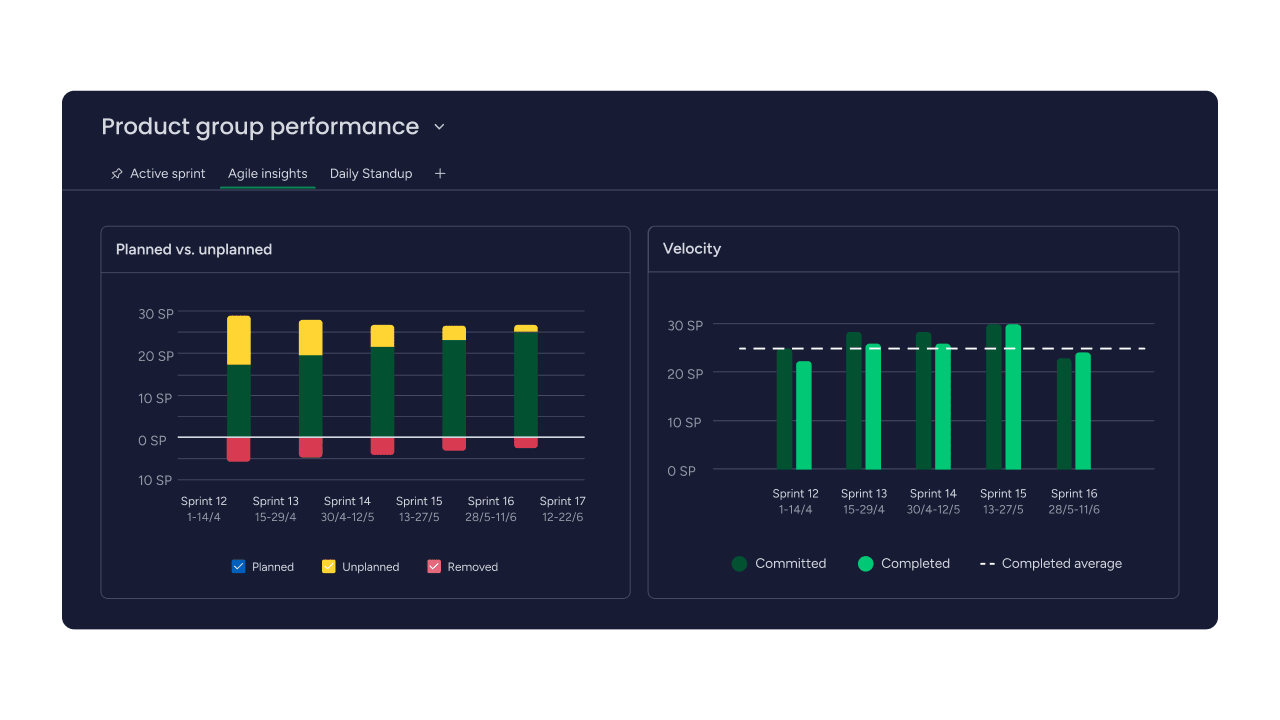
For product teams, the implication is direct: software has to make delegation visible, show progress in real time and surface exceptions cleanly enough that a manager can intervene without slowing everyone down. For sales teams, the buyer conversation shifts as well. The person deciding on a workflow platform is no longer just asking whether AI exists in the product, but whether it helps a manager run a team when expectations, execution and accountability are all changing at once. Salesforce’s data suggests the middle manager is not disappearing in that environment. The job is expanding, and the organizations that equip managers first will be the ones that make AI work on the ground.
This article was produced by Prism’s automated news system from verified source data, official records, and press releases, then run through automated quality and moderation checks before publishing. The system is built and supervised by the people who set the standards it runs under. Read our full AI policy.
Did this article answer your question?