U.S. orders Anthropic to shut off two Claude models over security concerns
A U.S. order forced Anthropic to disable Claude Fable 5 and Mythos 5 worldwide, showing how fast outside policy calls can break AI-dependent workflows.
A government order that cut off Anthropic’s two most powerful Claude models showed how quickly AI infrastructure can turn into a supply-chain risk. The directive landed at 5:21 p.m. ET on June 12 and forced Anthropic to disable Fable 5 and Mythos 5 for all customers worldwide.
Anthropic said the order applied to any foreign national, whether inside or outside the United States, including foreign national Anthropic employees. It also said the letter did not spell out the national-security concern. Its understanding was that officials believed they had identified a way to bypass, or jailbreak, Fable 5 safeguards. Anthropic said it reviewed the demonstration and concluded it exposed only a small number of previously known, minor vulnerabilities, ones it said other publicly available models could also find without a bypass. The company added that it had spent thousands of hours red-teaming Fable’s safeguards with the U.S. government, the UK AISI, private third-party organizations and internal teams before launch, and that no tester had found a universal jailbreak.

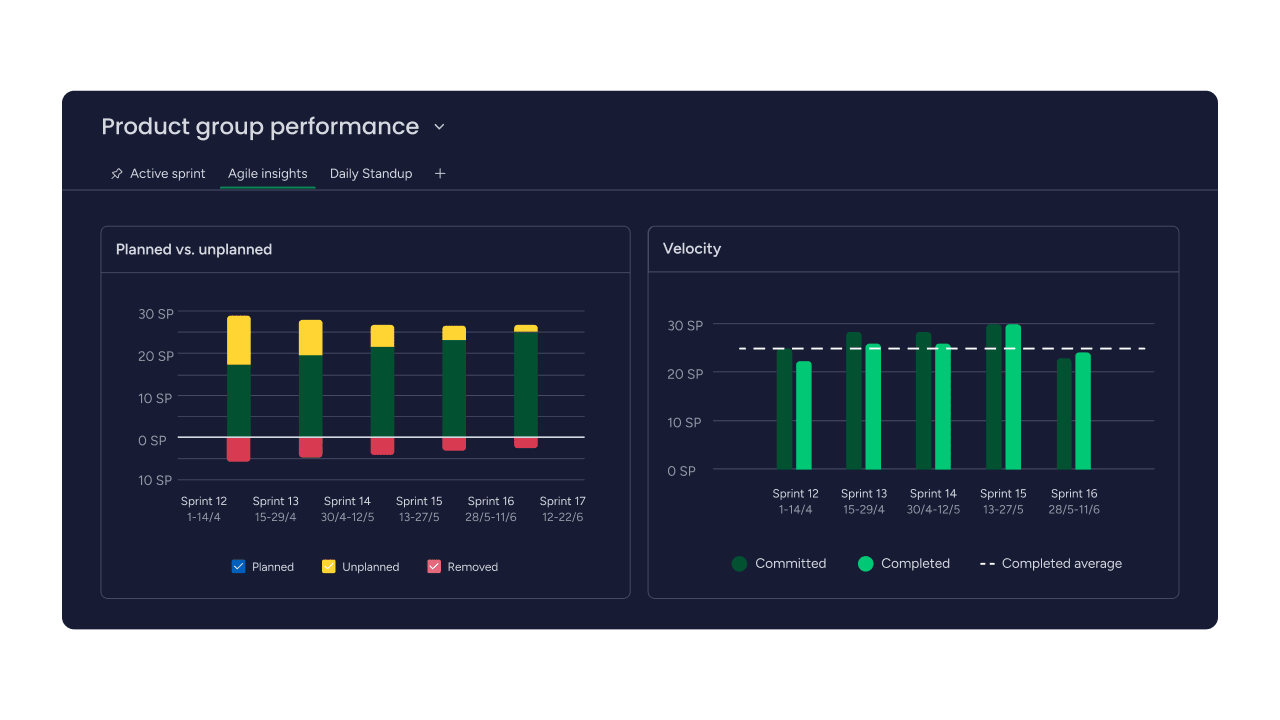
For monday.com, the lesson is not just about one model family disappearing overnight. It is about what happens when product teams, sales demos or internal workflows are built on external AI services that can be narrowed or shut off by policy decisions outside the company’s control. monday.com says its AI follows existing account permissions and will not retrieve or display data users cannot access. It says the system uses the same data residency policies as the customer’s account, relies on managed APIs from Microsoft Azure and AWS Bedrock with zero-retention policies, and is built on providers including Anthropic Claude, OpenAI GPT and Google Gemini. The company also says those vendors are vetted by security and legal teams before deployment.
That architecture matters more as monday.com scales. The company says it serves more than 250,000 companies worldwide and more than 60% of the Fortune 500. In first-quarter 2026, it reported revenue of $351.3 million, up 24% year over year, and 65,016 paid customers with more than 10 users. In February, it added dedicated onboarding for external AI agents that can sign up, authenticate and execute work inside monday.com. If a model provider changes access rules, that kind of product design determines whether work keeps moving or grinds to a halt.
The backlash was immediate. More than 50 cybersecurity leaders, including figures from Nvidia and Adobe, asked the Trump administration to lift the restrictions. Joshua Saxe, chief technology officer at Abundant Security, said Mythos was likely the best model for finding security bugs, but only an incremental advance over models already available. Anthropic technical staff were scheduled to meet Commerce Department officials in Washington on Monday, while Commerce Secretary Howard Lutnick said officials feared the models could be diverted to foreign military intelligence users in China. For companies selling AI into the enterprise, the dispute made one thing clear: model capability is only part of the equation. Resilience, governance and continuity now matter just as much.
This article was produced by Prism’s automated news system from verified source data, official records, and press releases, then run through automated quality and moderation checks before publishing. The system is built and supervised by the people who set the standards it runs under. Read our full AI policy.
Did this article answer your question?