Industry Layoffs at Polyarc, Eidos-Montréal Expand Talent Pool for Nintendo Hiring
Eidos-Montréal's 124 cuts and Polyarc's near-total Seattle studio reduction put AAA pipeline veterans and VR engineers on the market as Nintendo scales Switch 2.
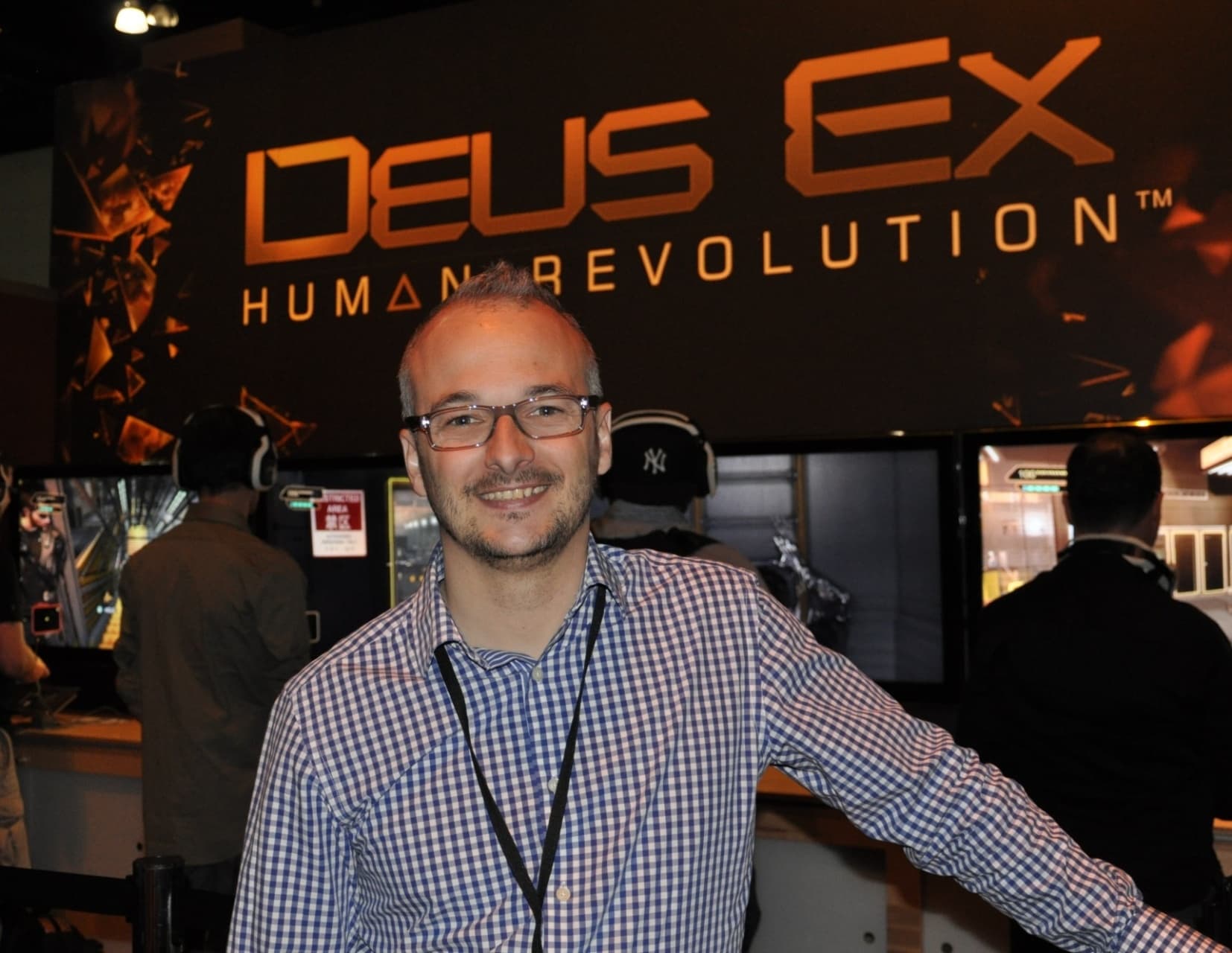
By Tuesday morning, Polyarc's founders had posted a public spreadsheet listing affected staff and their skills, a gesture that doubled as a simultaneous résumé broadcast for roughly two-thirds of the Seattle studio's 52 employees. The disclosure, via LinkedIn on March 31, came after what the company described as "an unsuccessful team-wide effort to secure funding following the cancellation of a major project." The same day, David Anfossi closed 19 years at Eidos-Montréal, departing a studio that had just announced 124 additional job cuts, its third reduction since the Embracer Group acquisition, following 75 layoffs in March 2025 and a second round in December.
For Nintendo's talent acquisition teams, the two events open a narrow window into a concentrated pool of mid-career specialists rarely available simultaneously.
Polyarc's displaced developers carry something Nintendo has treated as a long-horizon bet: production-grade VR expertise. The studio, founded by ex-Bungie developers, self-published Moss in 2018 and its sequel without a platform exclusive deal, meaning its engineers built and maintained cross-platform VR pipelines rather than shipping to a single headset's specification. With Switch 2 hardware parameters still being absorbed by third-party developers and Nintendo Labo VR remaining the company's deepest foray into spatial computing, targeting Polyarc's rendering programmers and engine specialists now gives Nintendo a bench before any hardware announcement requires one.
Eidos-Montréal's cuts surface a different scarcity: AAA production management at scale. The Montreal studio had a new open-world action-adventure in active development since 2019, a timeline demanding the kind of multi-year production discipline and cross-functional coordination that Nintendo's co-development network increasingly depends on. As Nintendo leans on external partners to scale Switch 2 output without expanding Kyoto headcount, producers and technical directors who managed long-cycle AAA titles through successive rounds of internal restructuring are precisely the people capable of stabilizing a co-dev relationship before it slips schedule.
The third priority is live-ops. Mario Kart World's position as Nintendo's Switch 2 launch anchor signals a company beginning to build live-service infrastructure at a scale the original Switch era rarely demanded. Network engineers and online-systems producers from studios like Eidos-Montréal, which were mid-development on multiplayer-heavy titles when the cuts landed, carry exactly the skill set Nintendo needs as it builds out content delivery pipelines for ongoing updates.
Compensation teams face a timing constraint. Industry-wide layoffs compress market salary expectations, but candidates who received severance mid-project typically have short decision windows before better-capitalized publishers move in. Nintendo's relocation support for candidates considering a move to Redmond or Tokyo will be a meaningful differentiator in a market where remote-work expectations have hardened considerably.
The longer-term challenge is cultural rather than logistical. Developers leaving studios that survived three rounds of cuts in twelve months arrive acutely attuned to stability signals. Nintendo's onboarding infrastructure, if it front-loads transparency about project timelines and review cycles, stands to convert an unusual hiring window into durable retention; that clarity, not just compensation, is the reason a Deus Ex pipeline veteran or a Moss engine programmer stays past the first anniversary.
Know something we missed? Have a correction or additional information?
Submit a Tip