Memory crunch threatens console pricing, Nintendo supply planning
Memory shortages are moving from data centers into console planning, and Nintendo’s own supply, pricing and launch decisions could feel the strain next.
A memory squeeze that started in AI data centers is now reaching console boardrooms, and Nintendo’s hardware and operations teams have reason to watch it closely. Xbox CEO Asha Sharma said component shortages could affect the availability and pricing of Microsoft’s next-generation hardware, Project Helix, underscoring how quickly a parts crunch can reshape launch planning across the industry.
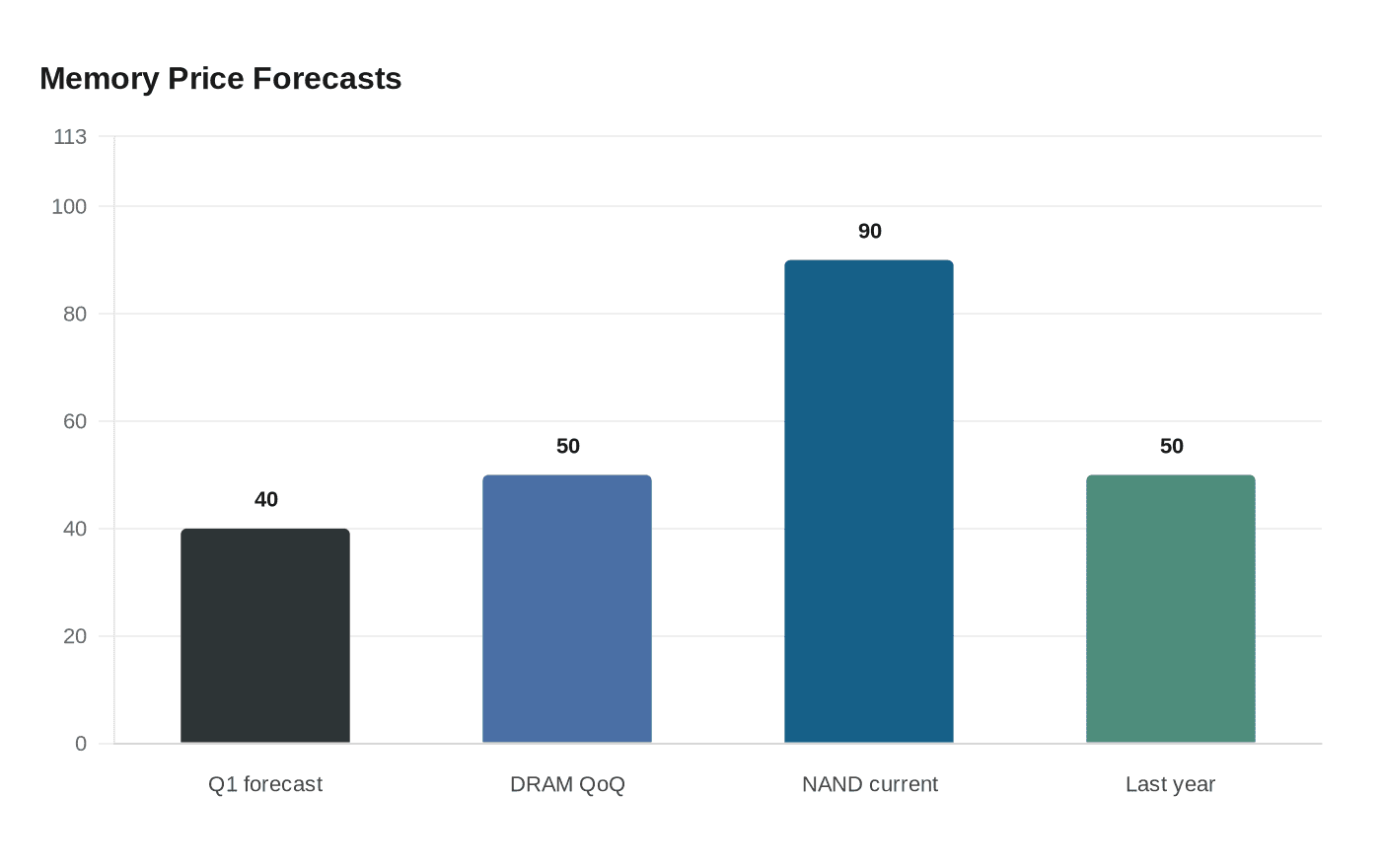
The pressure comes from a market where memory is no longer treated as a background component. Reuters reported on Jan. 22, 2026, that AI infrastructure from OpenAI, Google and Microsoft had absorbed much of the world’s memory-chip supply, while prices were expected to rise 40% to 50% in the first quarter after a 50% surge the year before. The same report said global smartphone sales were expected to shrink at least 2% in 2026, PC shipments at least 4.9%, and console sales 4.4%. For Nintendo employees in hardware planning, vendor management, QA and launch operations, that is not abstract market noise. It changes how aggressively a platform can be built, tested, stocked and introduced in each region.
CNBC added another warning on Jan. 10, 2026: there would not be enough memory to meet worldwide demand. It said average DRAM prices were expected to rise 50% to 55% quarter over quarter, and Micron business chief Sumit Sadana said demand had far outpaced the supply capability of the entire memory industry. That matters for Nintendo because memory shortages can ripple into dev-kit timing, retail allocation and the cost structure behind both hardware and software features that depend on scarce devices.
Shuntaro Furukawa said in February 2026 that Nintendo was working with suppliers on a long-term basis to secure stable supply. He also said the recent surge in memory prices had not significantly hurt hardware profitability through the cumulative third quarter and that Nintendo did not expect a significant hit in the fourth quarter either. Still, Furukawa said no decision had been made on future Switch 2 price changes, which leaves room for the kind of pricing and mix decisions that procurement and platform teams may have to revisit if the market stays tight.
Bloomberg reported in March 2026 that NAND contract prices were forecast to surge as much as 90% in the current quarter, adding another layer of pressure to Nintendo’s Switch 2 ecosystem and its effort to stay resilient to tariffs and military conflict. For developers, testers and business teams, the message is clear: memory constraints can alter launch assumptions long before a game ships, and the next platform cycle may be shaped as much by supply discipline as by features on the box.
This article was produced by Prism’s automated news system from verified source data, official records, and press releases, then run through automated quality and moderation checks before publishing. The system is built and supervised by the people who set the standards it runs under. Read our full AI policy.
Did this article answer your question?
