Nintendo Software Technology spotlights small-team culture in Redmond studio profile
NST's Redmond profile shows a studio where quality comes from everyone testing, analyzing, and refining together, not from narrow job silos.
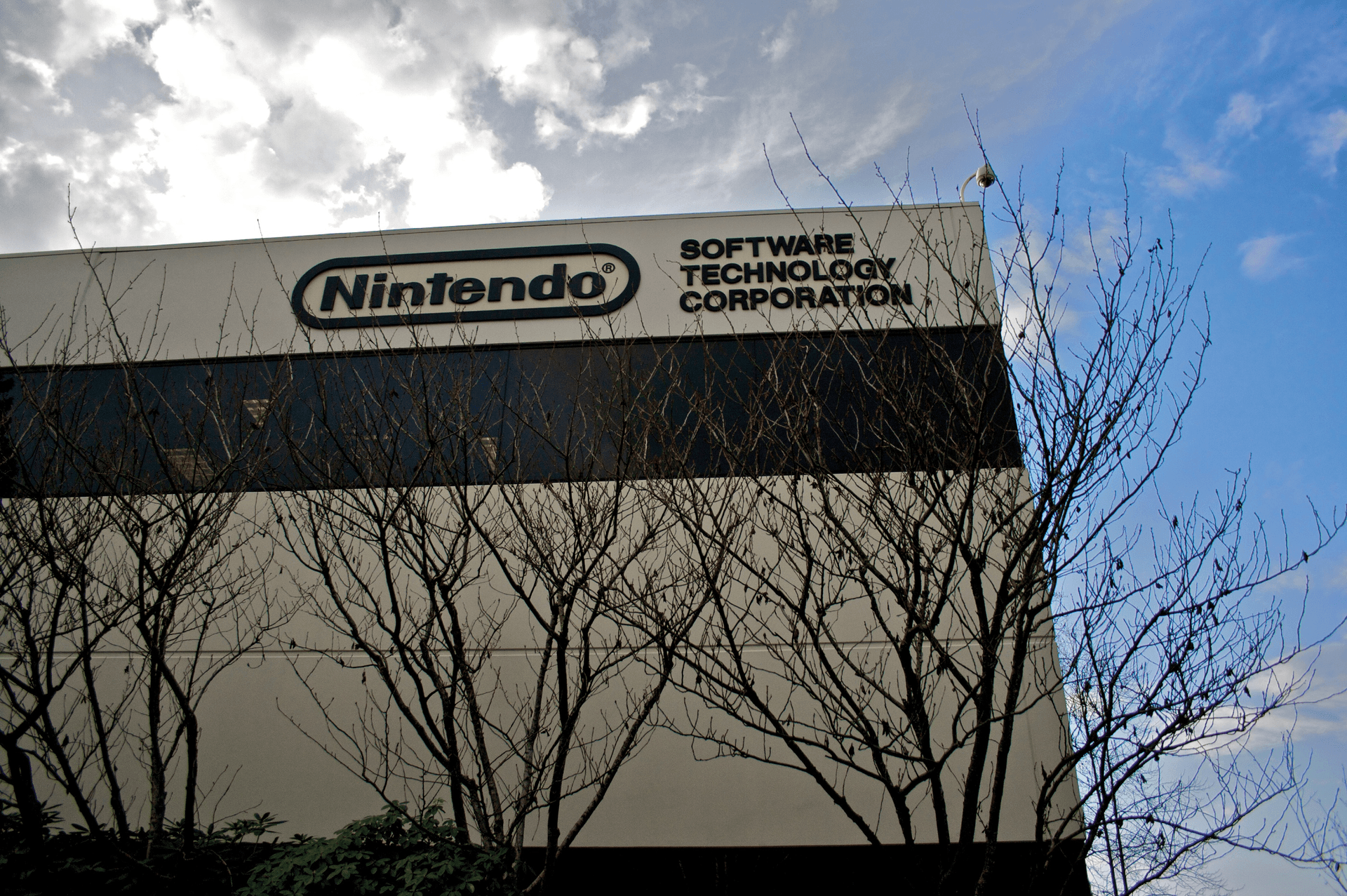
Small-team culture, shared ownership
Nintendo Software Technology makes its studio model unusually clear. The Redmond team is described as tight-knit and relatively small, and the message behind that language matters: you are expected to help review, analyze, test, and improve the work around you, not just protect a narrow specialty. For anyone coming from a larger game studio, that is the big difference, because NST’s public hiring pages point to shared ownership of quality as a daily habit, not a task left to one department.
That approach fits Nintendo’s broader quality-first reputation. At a large studio, it is common to see a sharper divide between design, engineering, art, and QA. NST appears to work differently, with people moving fluidly between making something and evaluating whether it is ready, which is exactly the kind of environment where testing instincts and analytical thinking become as valuable as raw creative output.
What NST publicly rewards
The clearest signal is in the language of the jobs themselves. A current associate game designer role says you should contribute and implement, play-test, and refine game design features. An animator posting says the role applies expertise to review, analyze, and test products under development to help ensure Nintendo’s standard of quality and timeliness. A senior gameplay engineer posting says the engineer should manage small groups and collaborate across departments.
That combination tells you almost everything you need to know about who succeeds there:
- Testing instincts matter because the studio expects you to spot problems early and help tighten the experience.
- Analytical thinking matters because reviewing and refining work is built into the job, not treated as an afterthought.
- Collaboration matters because even technical roles are expected to work across departments and manage small groups.
- Versatility matters because the studio rewards people who can both create and assess, often in the same project cycle.
In other words, NST appears to value people who can see the whole game. That is a different skill set from the one many applicants associate with bigger studios, where specialization can be more rigid and the handoff between teams can be more formal.
Why the small-studio model changes the job
For developers, designers, QA testers, and artists, this is not just culture talk. It affects how work gets done and how success is measured. At NST, a designer is not only shaping features, but also play-testing and refining them. An animator is not only producing motion, but also reviewing and testing the product as it develops. A gameplay engineer is not only shipping code, but also leading implementation while coordinating with other teams.
That structure can be energizing if you want broad responsibility. It can also be demanding, because the work does not stop at your own lane. You are closer to the final product, which means you are closer to the consequences of every choice, from feel and pacing to polish and timing. If you want a studio where craftsmanship is shared and visible, NST’s model looks appealing. If you want a tightly bounded role with little spillover into other disciplines, a larger studio may feel more comfortable.
The Redmond footprint behind NST
NST does not sit in isolation. Nintendo’s careers site places Nintendo of America in Redmond, Washington, and says Nintendo Technology Development is also based there, working on software and hardware technologies that power Nintendo platforms and games. That matters because it places NST inside a larger Nintendo Pacific Northwest footprint, not just a single office. In practical terms, Redmond is one of Nintendo’s most important North American development hubs, and it sits in a city widely known as the home of Microsoft and Nintendo of America.
NST itself was founded in 1998 as a first-party developer intended to make games for the North American market. That history explains why the studio’s identity feels so specific: it was built to extend Nintendo’s standards into a U.S.-based development environment, not to operate like a generic satellite office. The result is a team that sounds designed for adaptation, local insight, and close coordination with the company’s broader platform and publishing structure.
What the studio’s game history says about the work
NST’s output history reinforces the same point. Nintendo’s Metroid Prime Hunters manual identifies the game as developed by Nintendo Software Technology Corp., tying the studio to a Metroid entry that arrived in the Nintendo DS era. Nintendo’s official history says the DS launched in 2004, which puts that work into a period when handheld design, technical constraints, and usability all mattered intensely.
Nintendo has also revisited legacy concepts in modern form. The Switch version of Mario vs. Donkey Kong launched on February 16, 2024, and Nintendo says it adds new co-op play, brand-new worlds, updated music and visuals, and other new ways to play. That kind of revival shows how Nintendo continues to balance legacy franchises with modern expectations, and it is exactly the sort of environment where a studio like NST has value: preserve the feel, sharpen the execution, and keep the experience readable for a new audience.
Who thrives inside NST
If you are looking at NST as an applicant or colleague, the profile is pretty clear. The people most likely to thrive there are the ones who want to shape the work and pressure-test it at the same time. They are comfortable with cross-disciplinary feedback, they do not mind switching between making and judging, and they understand that quality is a shared responsibility.
That is the real story in NST’s studio profile. It is not just that the team is small in Redmond. It is that the studio’s public description makes small-team discipline look like a strength: everyone contributes, everyone tests, and everyone owns the final result. In Nintendo terms, that is how a compact studio can still carry a very large standard.
This article was produced by Prism’s automated news system from verified source data, official records, and press releases, then run through automated quality and moderation checks before publishing. The system is built and supervised by the people who set the standards it runs under. Read our full AI policy.
Did this article answer your question?
