Customers increasingly ask delivery drivers if tips really reach them
Drivers on DoorDash and Walmart Spark are hearing a new question at the door: did the tip really reach you? That suspicion can spill into Pizza Hut orders, too.
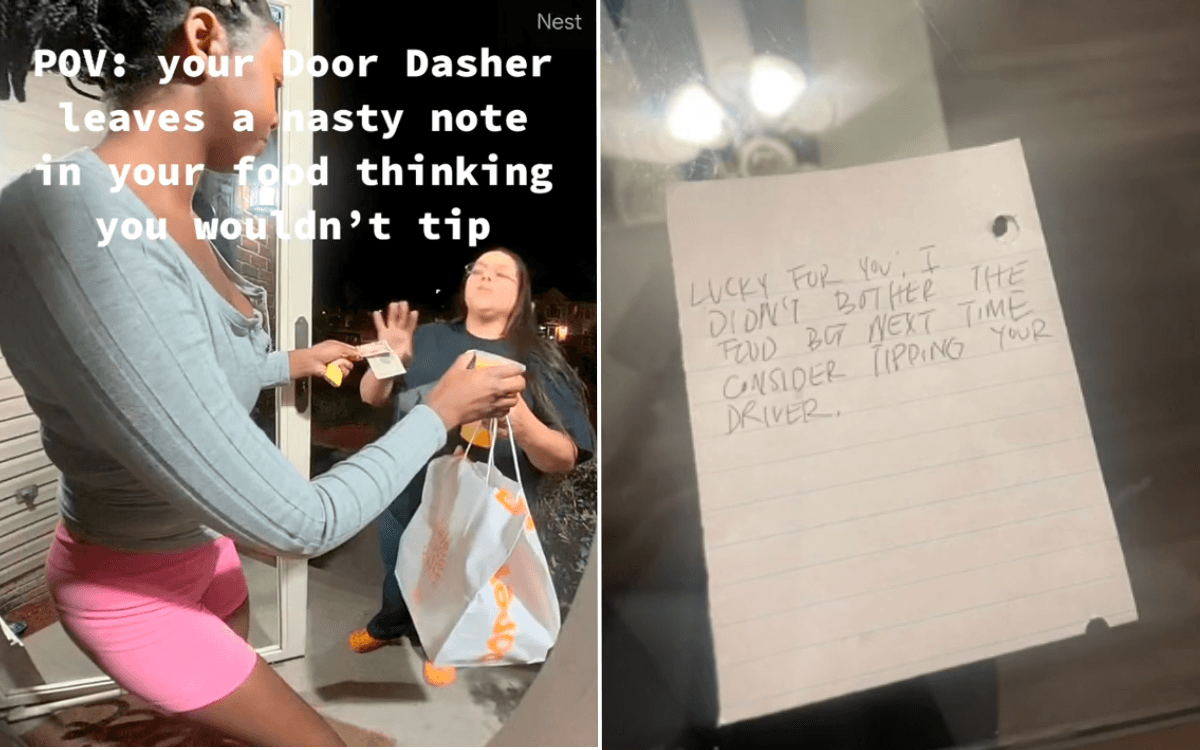
Customers are increasingly asking delivery drivers a blunt question at the front door: did you actually get my tip? That skepticism, which has spread over the past year as controversies around tip handling have stayed in the spotlight, is showing up most clearly for workers on DoorDash and Walmart Spark.
For Pizza Hut operators, the issue lands closer to home than it might first appear. Customers often do not separate a Pizza Hut driver from an app-based courier in their minds. They judge the person carrying the food, the checkout screen that asked for a gratuity and whether the tip feels like it truly reaches the worker. Once that trust slips, it can shape how people tip next time, how they view delivery fees versus gratuity and whether they choose one delivery channel over another.
That matters on the ground in a Pizza Hut store, where delivery depends on both labor and confidence. Drivers are competing on more than speed. They are competing on trust. If a customer worries the tip was diverted, delayed or buried in the payment flow, the doubt can spill over onto Pizza Hut orders even when the store’s own process is straightforward. Managers then have to spend more time explaining pay, tips and fees, while drivers are left to answer awkward questions at the door before they can even leave the bags behind.

The stakes are bigger than one uncomfortable handoff. Tip skepticism can chip away at morale for drivers who already work in a market shaped by DoorDash, Uber Eats and other gig competitors. It can also affect retention, especially if workers feel they are taking heat for a system they do not control. In a business where repeat orders matter and delivery culture depends on smooth interactions, even a small rise in distrust can create friction that slows service and weakens the customer relationship.
For Pizza Hut franchisees and store leaders, the practical fix is transparency. Checkout screens need to make the difference between delivery fees and tips obvious. Managers need a clear script for explaining where gratuity goes. And drivers need a way to handle questions without turning every drop-off into a dispute. In delivery, the handoff at the door is no longer just about getting the pizza there. It is about convincing the customer that the person who brought it was treated fairly.
This article was produced by Prism’s automated news system from verified source data, official records, and press releases, then run through automated quality and moderation checks before publishing. The system is built and supervised by the people who set the standards it runs under. Read our full AI policy.
Did this article answer your question?