EEOC sues Pizza Hut franchisee over harassment and retaliation claims
The EEOC’s case against Ayvaz Pizza put Pizza Hut’s franchise system back under scrutiny, with a $35,000 deal and new training, policy, and reporting duties.

The EEOC’s harassment case against Ayvaz Pizza, LLC, which operates more than 350 Pizza Hut restaurants in ten states and multiple Houston-area locations, ended with a $35,000 agreement and new compliance steps for the franchisee. The deal came after the agency said a female employee was subjected to sex-based harassment and retaliation after she complained.
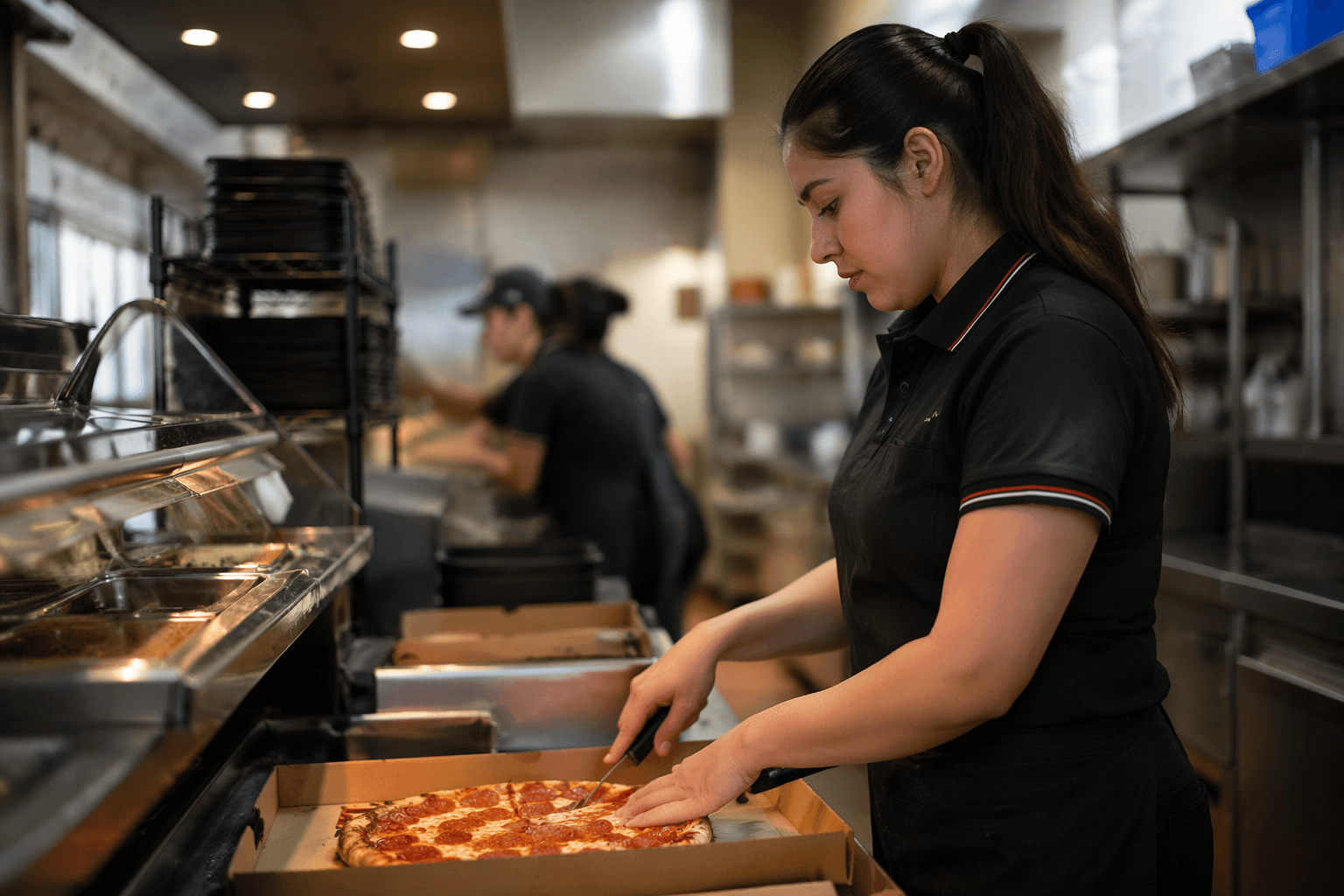
The commission said Ayvaz Pizza must provide the worker a letter of reference, update and distribute its anti-discrimination policies, provide comprehensive training, and report sex-based discrimination and harassment complaints. That kind of oversight matters in a Pizza Hut kitchen or delivery operation, where line crews, drivers, and shift managers work in tight spaces and local managers often set the tone for whether complaints are taken seriously or brushed off.

EEOC guidance says harassment is not limited to a supervisor’s conduct. An employer can be liable when harassment comes from coworkers or even customers on the premises if management knew or should have known and failed to take prompt and appropriate corrective action. For Pizza Hut workers, that means being yelled at by a guest, mocked on the make line, or singled out by a manager is not automatically just part of restaurant work.
The agency has gone after Pizza Hut franchisees before. In 2002, the EEOC announced a $360,000 settlement in a sexual harassment case involving four former female employees who said they were subjected to a sexually hostile work environment. In 2024, ADT Pizza, doing business as Pizza Hut, resolved a separate EEOC disability discrimination and harassment charge for $15,000, with damages and back pay included in the deal.
The same shift that can expose workers to harassment can also expose them to cuts, burns, and falls. OSHA says restaurant work can involve burns, electrical hazards, fire hazards, slips, trips, falls, strains, and sprains, while delivery and storage areas can bring freezer hazards, cold exposure, and the risk of being trapped inside a walk-in. The agency says workers younger than 16 are not permitted to do freezer or meat cooler work, and it says the service industry ranks highest among U.S. industries for injury among workers ages 16 to 19.
OSHA also reported that in 2017, 22 youths under 18 died from work-related injuries and 27,070 were sickened or injured. For Pizza Hut crews, especially young workers and delivery drivers competing for hours and tips against DoorDash and Uber Eats, the daily test is the same one managers face: keep the store moving without normalizing abuse, unsafe equipment, or hazards that can be prevented with attention and action.
This article was produced by Prism’s automated news system from verified source data, official records, and press releases, then run through automated quality and moderation checks before publishing. The system is built and supervised by the people who set the standards it runs under. Read our full AI policy.
Did this article answer your question?