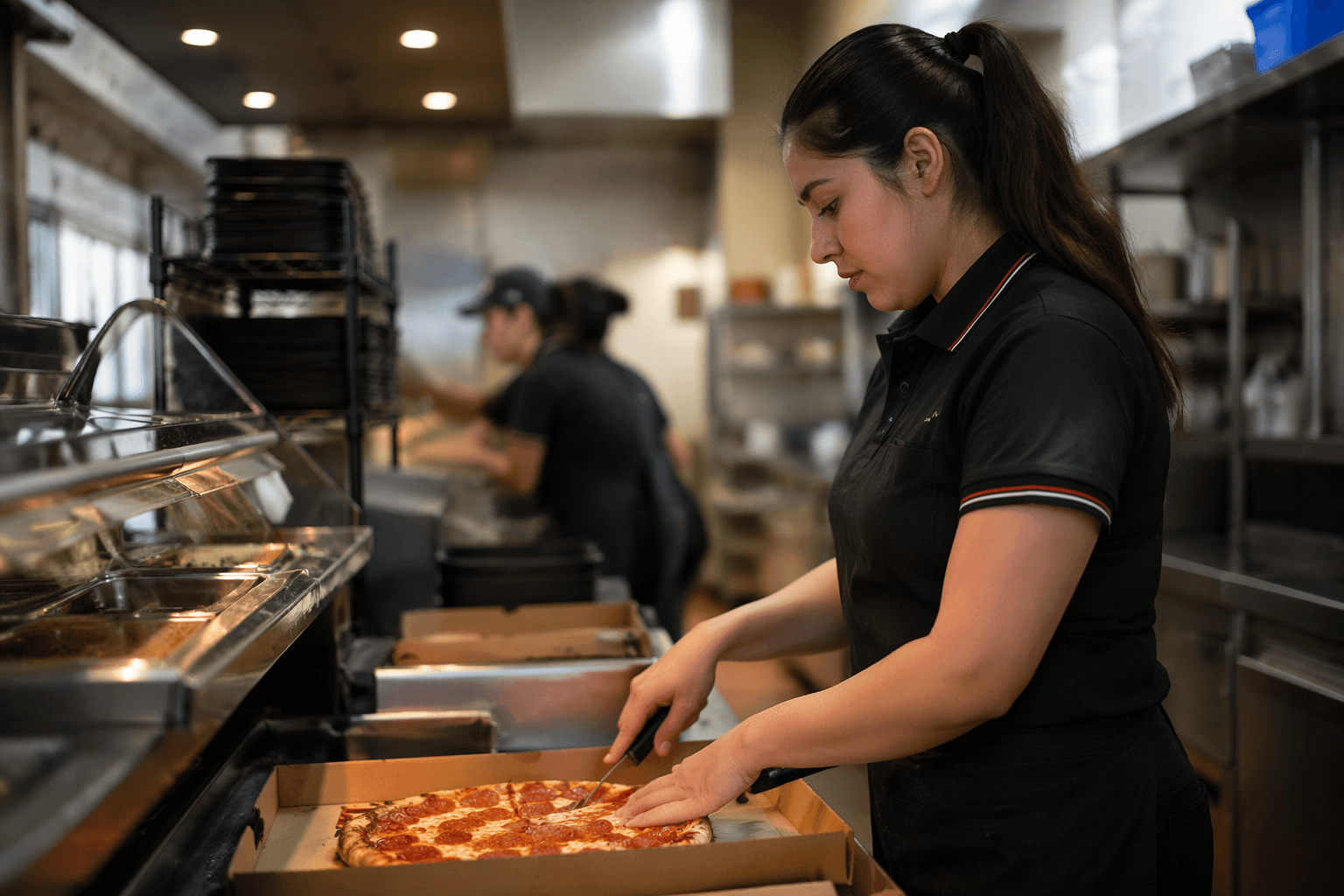
Ghai Restaurants expands to Texas, highlighting franchise economics for Pizza Hut
Ghai Restaurants bought 44 Houston Taco Bell units, more than doubling its Taco Bell count and showing how state labor costs steer franchise strategy.
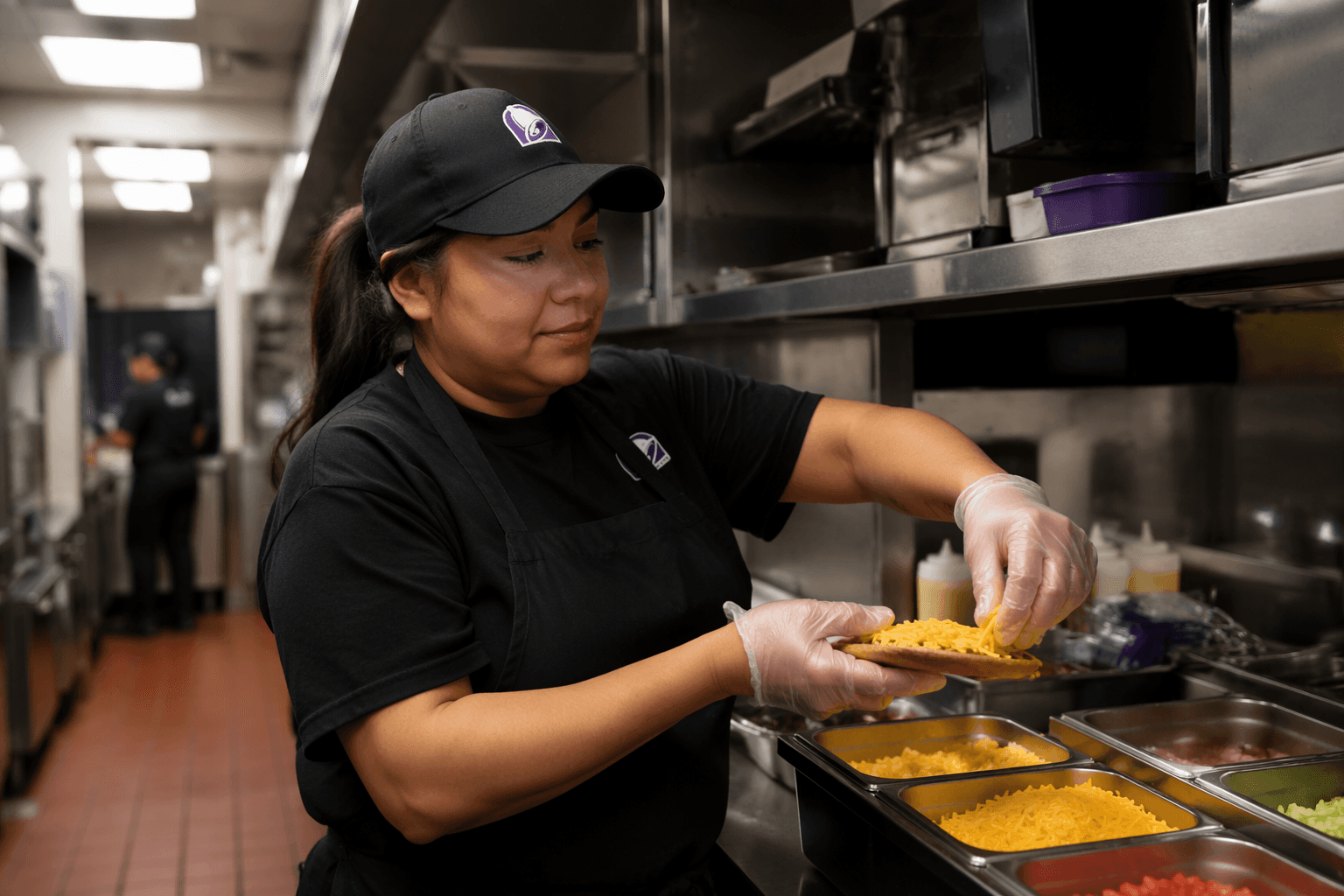
The fastest way a Pizza Hut store gets shaped these days is not by the brand name on the roof but by who owns the restaurants in that market. Ghai Restaurants’ purchase of 44 Taco Bell locations in Houston showed that clearly: one deal more than doubled the operator’s Taco Bell footprint, gave it its first Texas stores, and put a California-based franchise group into a state it sees as more business-friendly.
For Pizza Hut managers and crew, that matters because ownership scale changes daily reality. Bigger franchise groups can spread training, purchasing power, and operating systems across more stores. They can also bring tighter reporting, stricter labor controls, and a harder push on margins. At Pizza Hut, where domestic sales and unit counts have faced pressure in recent years, who holds the franchise can shape scheduling, promotion paths, hour counts, and how much room a local manager has to bend rules for a specific store.
Ghai Restaurants, based in suburban San Jose, has built a multi-brand portfolio that includes Burger King and Popeyes as well as Taco Bell. Earlier franchise profiles described Harsh Ghai’s company as running about 140 Burger King restaurants, 36 Taco Bell units, and 28 Popeyes locations. Later reporting put the total at roughly 260 restaurants, most of them in California. The Houston acquisition reflected a broader shift, not a one-off purchase: Ghai said it wanted to diversify outside the West Coast and grow in states that are friendlier to operators.
California is the key backdrop. Most of Ghai’s restaurants are there, where high labor costs have cut into the economics of strong sales volumes. Assembly Bill 1228 took effect on April 1, 2024, raising the minimum wage to $20 an hour for many workers at large fast-food chains and creating an 11-member Fast Food Council. That change has kept franchisees recalculating where to put capital, what to remodel, and how aggressively to expand. Texas offers a different equation, with lower labor costs and a regulatory climate that many operators view as easier to scale in.
Taco Bell itself remains one of Yum! Brands’ biggest growth engines. Yum said Taco Bell opened 347 gross-new locations across 25 countries in 2024 and reached 8,757 total restaurants. Restaurant Business’ 2025 Top 500 put Taco Bell at 7,604 U.S. units and $16.5 billion in U.S. sales. Yum said in April 2026 that it franchises or operates more than 63,000 restaurants in 155 countries and territories.
That is the lesson for Pizza Hut workers watching franchise shakeups from inside the stores. The brand still matters, but the operator often matters more. In one market, a deep-pocketed franchisee can mean steadier training and a faster path up. In another, it can mean more pressure, fewer exceptions, and a tougher watch on labor costs.
This article was produced by Prism’s automated news system from verified source data, official records, and press releases, then run through automated quality and moderation checks before publishing. The system is built and supervised by the people who set the standards it runs under. Read our full AI policy.
Did this article answer your question?