Higher Tips Can Push Pizza Hut Drivers to Speed, Study Finds
Bigger tips can make app drivers speed up, raising the stakes for Pizza Hut stores that already live by timing, tracking, and tight dispatch windows.
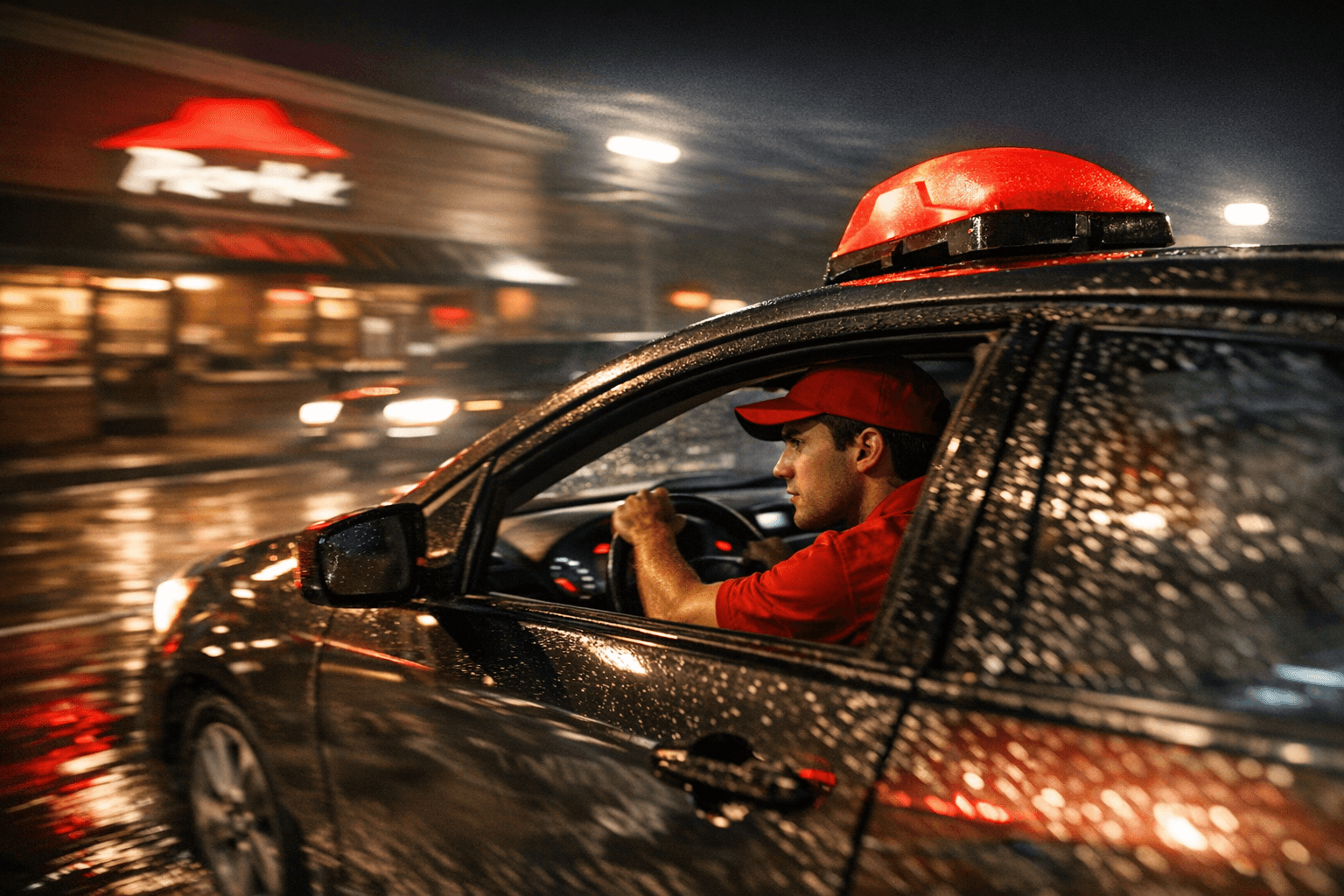
Bigger tips may buy faster service, but they can also buy faster, riskier driving. That is the unsettling lesson for Pizza Hut drivers, kitchen crews, and managers: in a delivery system built around speed, the money attached to an order can quietly shape how hard someone pushes on the road.
A study in Transportation Research Interdisciplinary Perspectives found that app-based food delivery drivers were more likely to speed when tips were larger. The research used Reddit posts and comments to trace how drivers think about pay, timing, and pressure, and the pattern was blunt: money matters. Some drivers said a strong tip made them watch the clock more closely; others described app metrics and on-time expectations as forces that can nudge even careful workers toward quicker, riskier driving.
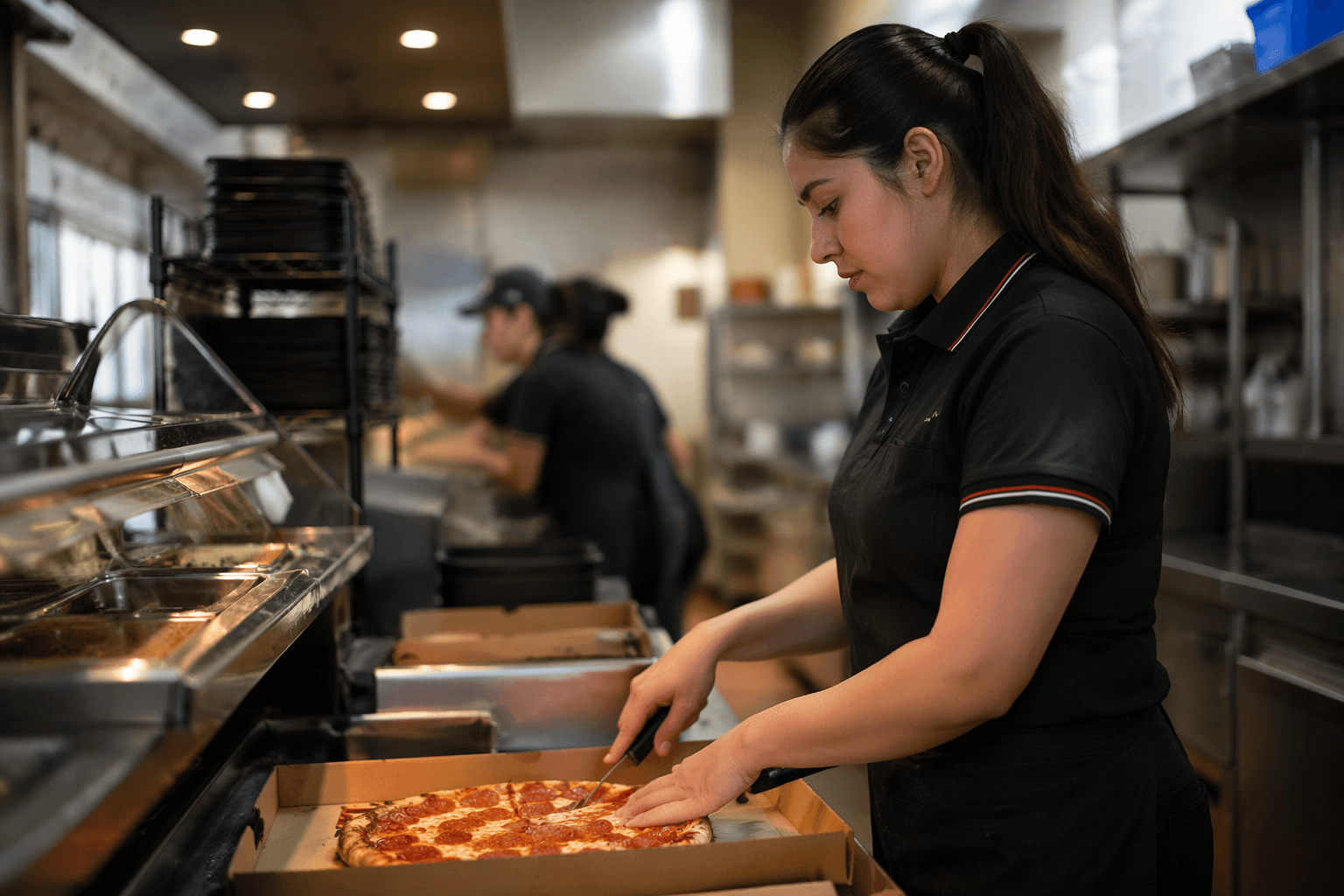
That tension hits home for Pizza Hut because the chain has built so much of its delivery culture around timing. Pizza Hut says its delivery tracker updates customers when the order is received, when the pizza is being made, and when it is out for delivery. The company also says its delivery charge is not a driver tip and that 100% of the delivery fee is retained by the restaurant, a reminder that store fees and driver compensation are not the same thing. With 6,000-plus U.S. locations and a long-standing delivery operation, Pizza Hut is still running a system where minute-by-minute expectations can shape behavior on both sides of the window.
The pressure is not abstract. Pizza Hut said in 2020 that it was preparing 42,000 Pizza Hut-dedicated drivers for increased online ordering and delivery demand. That makes prep times, dispatch pacing, and handoff timing more than kitchen housekeeping. If a make line runs slow, the driver’s margin for a safe trip shrinks. If customers are conditioned to expect near-instant movement, the road can start to feel like part of the service promise.
The broader safety backdrop is serious. NHTSA says speeding contributed to 29% of all U.S. traffic fatalities in 2024, with 11,904 speeding-related deaths. CDC and NIOSH say motor vehicle crashes are the leading cause of work-related deaths in the United States, and OSHA says employers can help by providing safety information and setting and enforcing driver safety policies.
Pizza Hut has seen this movie before. Domino's made "You Got 30 Minutes" famous, pairing its speed promise with driver safety training before eventually abandoning the guarantee after lawsuits and safety concerns. The lesson for Pizza Hut is not to slow delivery to a crawl. It is to stop pretending that speed can be rewarded informally without pressure, and to build systems that keep drivers from feeling like every tip is a reason to rush.
This article was produced by Prism’s automated news system from verified source data, official records, and press releases, then run through automated quality and moderation checks before publishing. The system is built and supervised by the people who set the standards it runs under. Read our full AI policy.
Did this article answer your question?