Pizza Hut redesigns wing bowls to improve recycling and cut waste
A redesigned Pizza Hut wing bowl is meant to make recycling simpler in the back of house, with 10% recycled content and a new APR award.
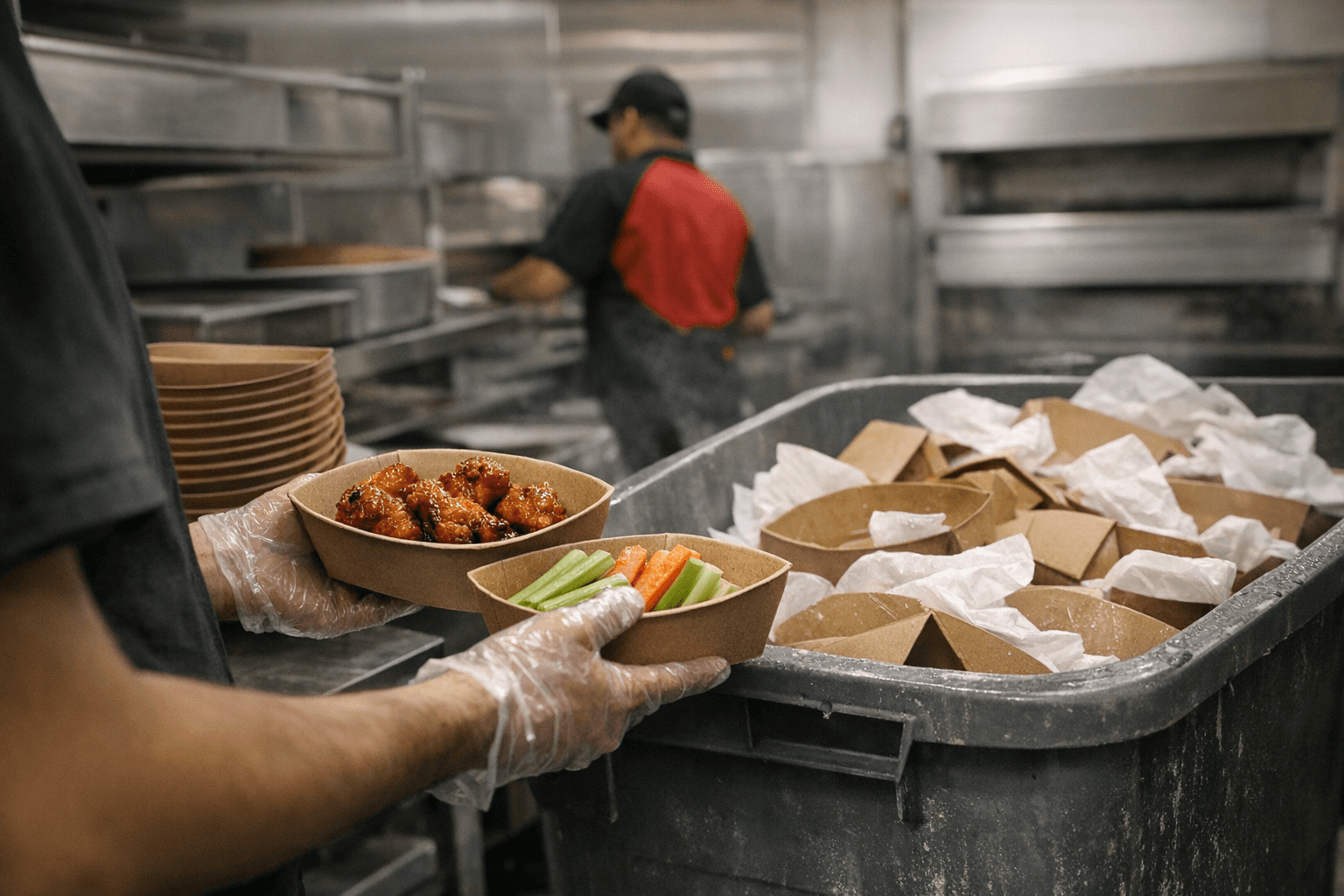
Pizza Hut is changing a small but stubborn piece of store waste: its wing bowl. The new design removes carbon black and excess fillers that had made the container non-recyclable, while adding 10% recycled content, a shift that should make sorting easier in stores and cut the kind of cleanup friction that kitchen crews deal with during rushes.
Yum! Brands said the Pizza Hut packaging change was part of its Earth Month update released on April 20, 2026, and part of a wider effort across KFC, Pizza Hut, Taco Bell and Habit Burger & Grill to improve packaging and waste handling. For restaurant teams, the practical impact is less abstract than corporate sustainability language suggests. A container that can move through recycling streams more cleanly can mean fewer judgment calls at the waste station, less contamination in back-of-house bins and simpler training for managers trying to keep service moving.
The redesign also won outside recognition. The Association of Plastic Recyclers gave the wing bowl its 2026 Recycling Leadership Award for Package Design Innovation, and said the product was developed with Anchor Packaging. That matters inside the chain because packaging changes that also survive restaurant operations tend to stick, especially in high-volume stores where durability, stackability and cleanup speed all affect labor flow.
Yum said the wing bowl fits into a 2022 cross-brand packaging policy that aims to eliminate unnecessary packaging, shift materials, support better recovery and recycling systems, and invest in circularity. The company’s targets call for eliminating unnecessary plastics by 2025, cutting virgin plastic content by 10% by 2025, making consumer-facing plastic packaging reusable, recyclable or compostable by 2025, diverting 50% of back-of-house operational waste in U.S. restaurants by 2025 and reducing food loss and waste 50% by 2030 in U.S. restaurants. In practice, those goals will show up in the everyday work of franchise operators, from how dining room and prep waste are sorted to how much time managers spend retraining staff on packaging differences.
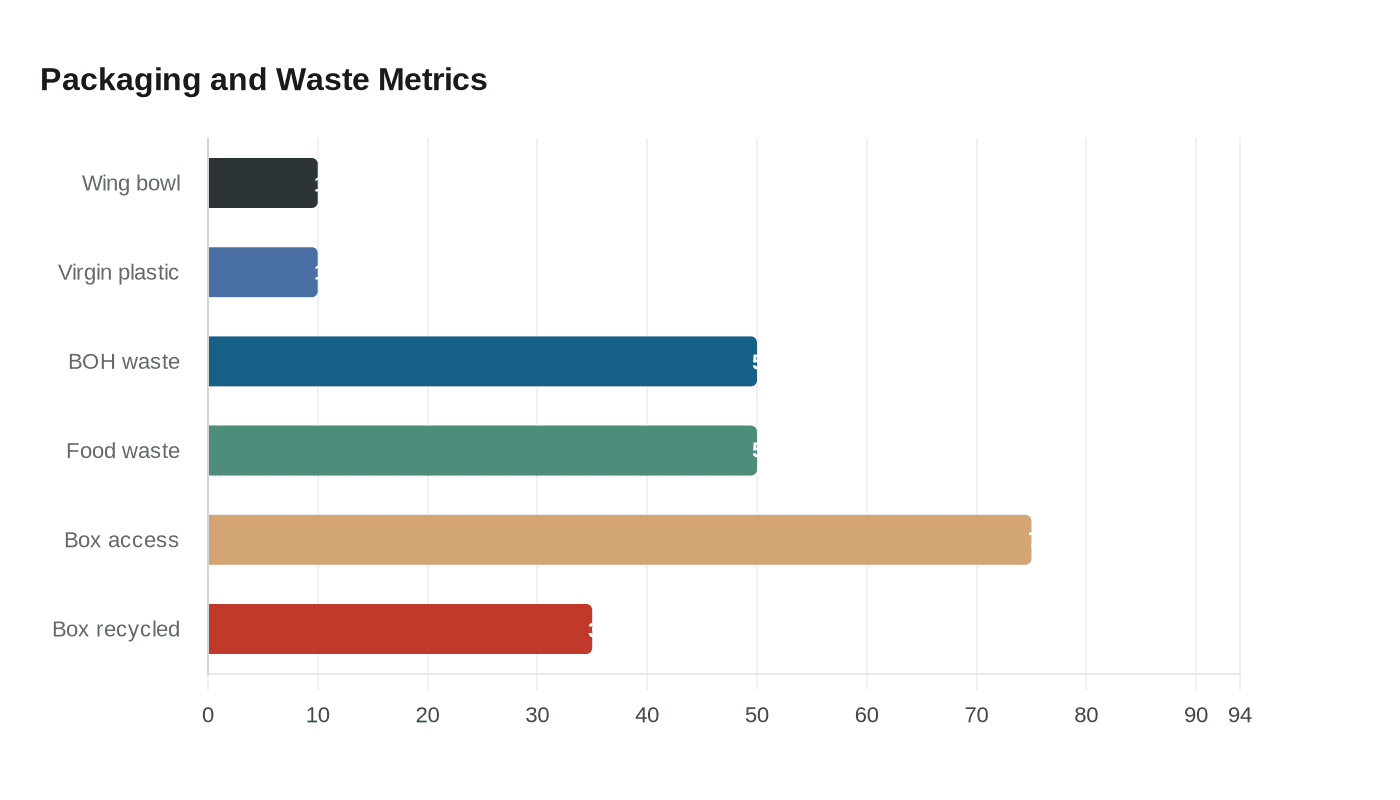
Pizza Hut sustainability lead Emily True said the redesign was meant to improve choices across the packaging lifecycle while still preserving the quality customers expect. The company has been pushing the same message on pizza boxes too. In November 2024, Pizza Hut teamed with Smurfit Westrock in Louisville, Kentucky, to promote pizza-box recycling, saying nearly 75% of people in the United States have access to recycling for used pizza boxes locally and that at least 35% of the cardboard in its U.S. pizza boxes is recycled content. Pizza Hut also said more than 3 billion pizza boxes are consumed annually in the U.S. market.
Yum says the work reaches beyond one product line. The company said it is coordinating with suppliers, franchisees, governments and NGOs, and that it participates in the NextGen Consortium, a multiyear effort focused on reducing single-use food packaging waste globally. For Pizza Hut stores, the message is simple: packaging is becoming an operations issue, not just a branding one, and the details now reach all the way from the wing station to the recycling bin.
Know something we missed? Have a correction or additional information?
Submit a Tip