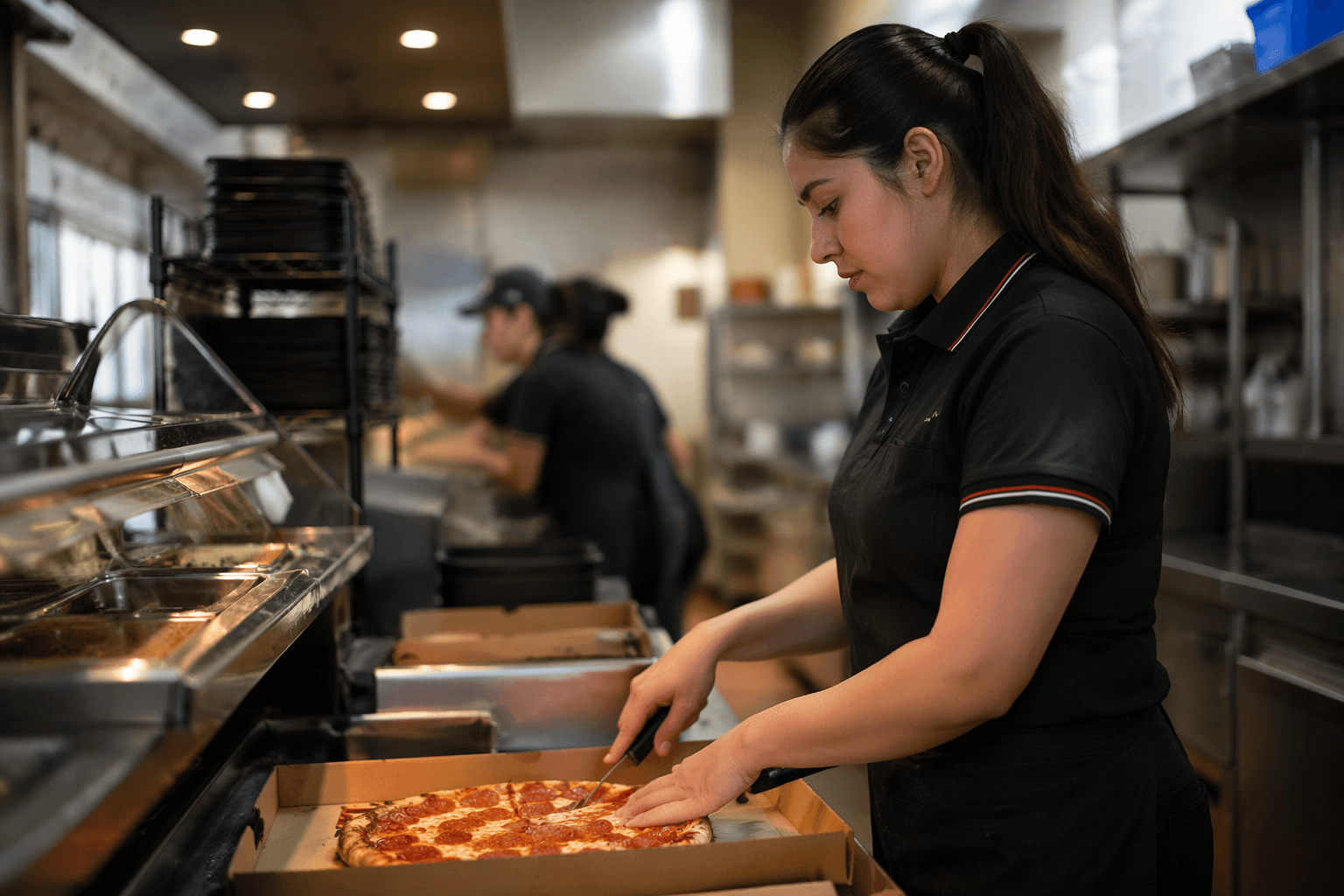
Pizza Hut driver threatened at gunpoint after delivery to abandoned home
A fake Pizza Hut order led a driver to an abandoned Brownsville house, where police say a pistol was drawn and $15 became a life-or-death threat.
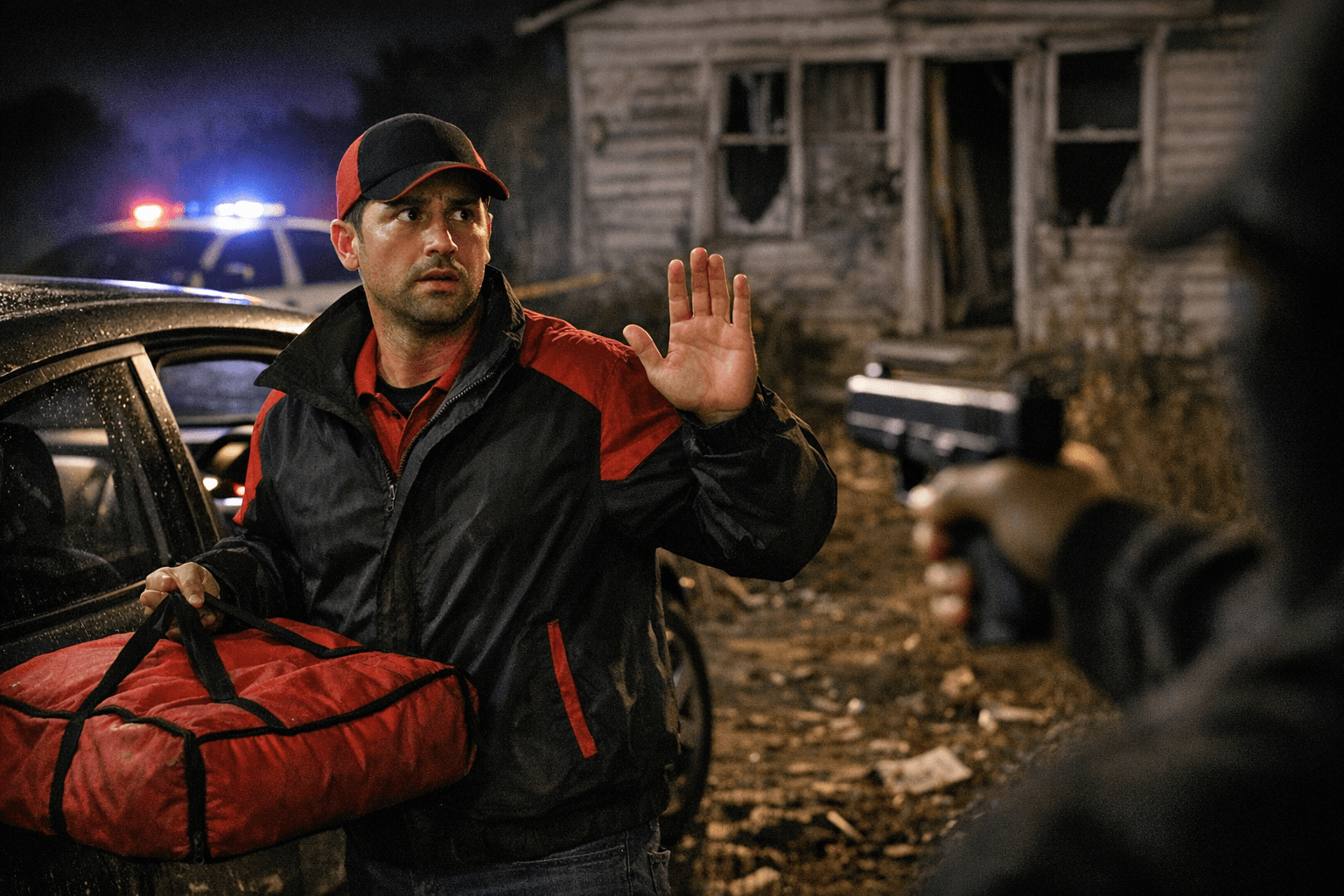
A Pizza Hut delivery run turned into a gunpoint robbery risk when a fake order sent Clint Sabatula to an abandoned building on the 300 block of Pearl Street in Brownsville, Pennsylvania, and police say Emir Calloway confronted him as he walked back to his car. The case is a reminder that delivery work can put drivers alone at unfamiliar addresses, with food in hand and little protection if the location itself is part of the setup.
Police said Calloway, 22, phoned Pizza Hut on the morning of Feb. 22 to request delivery to the Pearl Street address, which turned out to be abandoned. According to the complaint, Calloway approached Sabatula and pointed a pistol at his hip, then demanded money. Sabatula told police he had only $15, and court paperwork quotes Calloway as saying, “Is $15 worth your life?”
Investigators said they identified Calloway through the number used to place the order, which was registered with TextNow under that number. The complaint says he later changed to a different number the day after the robbery. Calloway was charged with robbery, aggravated assault, terroristic threats, possession of an instrument of crime and simple assault. Another report said he was being held in Fayette County jail after being unable to post $15,000 bail, and that his preliminary hearing was scheduled for March 11 before Magisterial District Judge Mike Defino Jr.
For Pizza Hut stores, the lesson goes beyond one crime report. Route verification has to happen before the driver leaves the store, especially when an order points to a strange address or a property that looks vacant on a map or from local knowledge. Managers also need a clear rule on when a driver can stop a delivery, who checks suspicious orders, and how quickly a driver can reach a dispatcher if the address does not feel right.
Cash handling matters too. Sabatula had money on him, and that is exactly the kind of detail that turns a delivery from inconvenient into dangerous. Stores that still send drivers out with cash should review how much they carry, how they report a threat, and whether they can refuse a high-risk run without penalty. That protection is especially important late at night, when drivers are isolated and may be balancing tips, wages and pressure from gig delivery competitors like DoorDash and Uber Eats.
Pizza Hut has already marketed contactless delivery nationwide, saying in 2020 that customers could request “Contactless Front Door” delivery at checkout. The company also said it was hiring more than 30,000 permanent positions nationwide and speeding onboarding so new drivers could be trained and on the road in five hours. OSHA says workplace-violence prevention programs should cover evaluation, controls, training, reporting and response, and it specifically flags late-night retail stores and restaurants. The U.S. Bureau of Labor Statistics reported 740 violent-acts workplace fatalities in 2023, including 458 homicides, a number that makes this Brownsville case part of a much larger safety problem for food-service drivers.
This article was produced by Prism’s automated news system from verified source data, official records, and press releases, then run through automated quality and moderation checks before publishing. The system is built and supervised by the people who set the standards it runs under. Read our full AI policy.
Did this article answer your question?