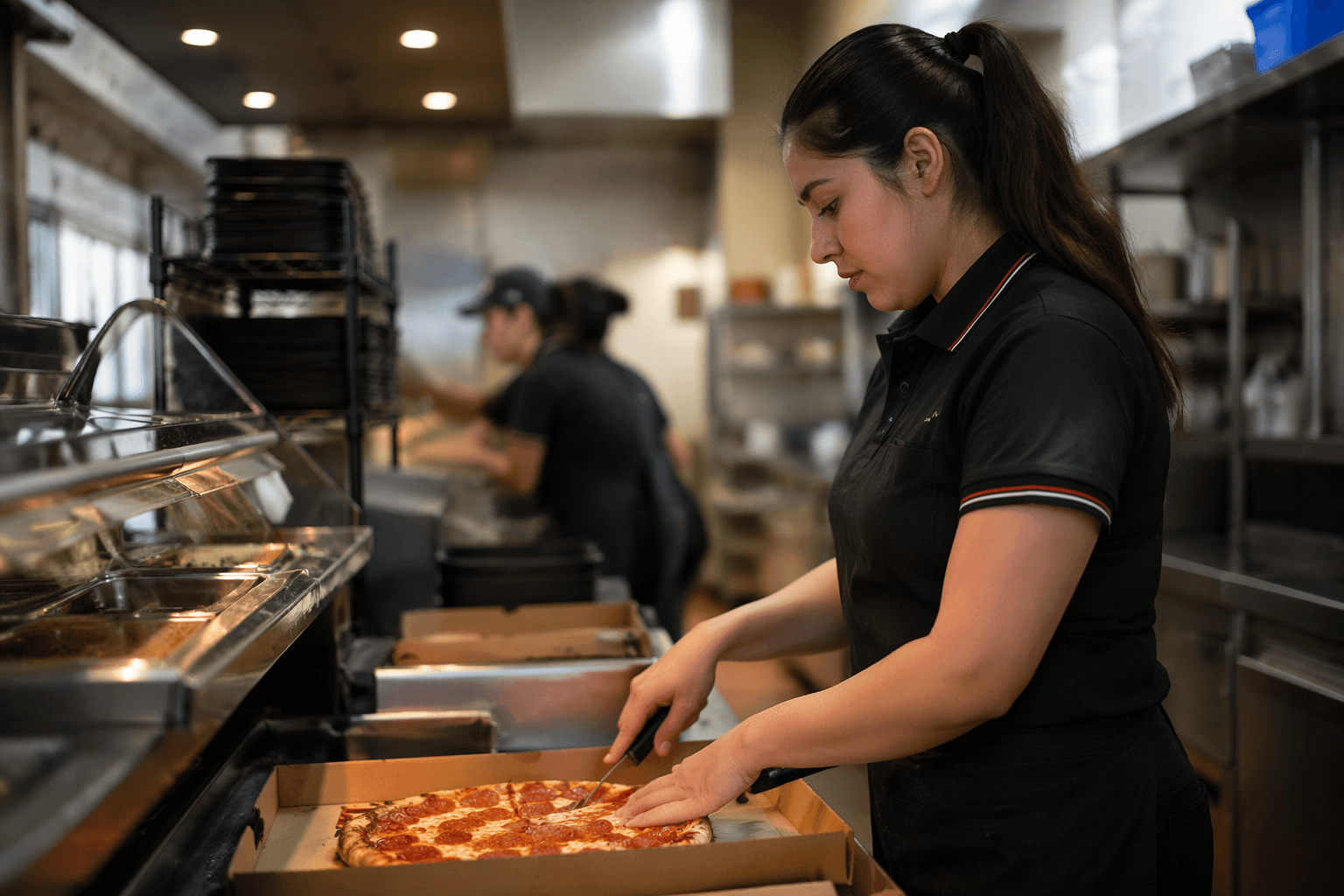
U.S. jobless claims fall, signaling cautious hiring for Pizza Hut stores
Claims fell to 207,000, but Pizza Hut stores still face selective hiring, tighter schedules and more pressure to keep crews in place.
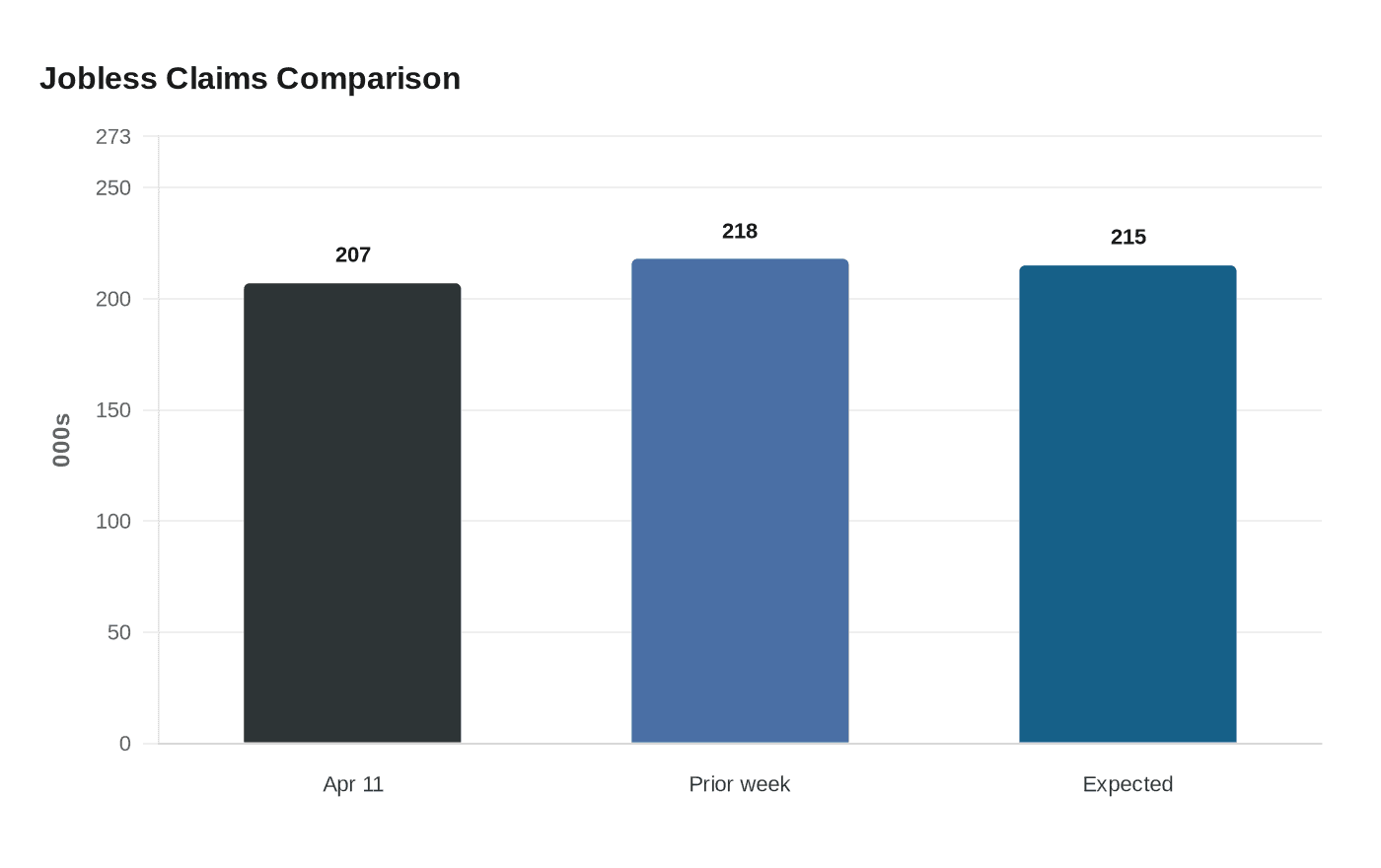
U.S. jobless claims fell to 207,000 in the week ended April 11, a sign that layoffs remained subdued even as employers stayed cautious about adding staff. For Pizza Hut stores, that kind of labor backdrop usually does not mean an easy hiring cycle. It means managers can keep a steadier base of workers, but they still have to fight for cooks, drivers and shift leaders one shift at a time.
The weekly total was down from 218,000 the prior week and below the 215,000 economists surveyed by Reuters had expected. Continuing claims, a gauge of people already collecting benefits, rose by 31,000 to 1.818 million in the week ended April 4. The numbers pointed to a labor market that was stable rather than weakening sharply, but still cautious enough that companies are not rushing to expand payrolls.
For Pizza Hut franchisees, that caution shows up at store level in hiring, scheduling and retention. A stable jobs market can help operators avoid a sudden staffing shock, yet it also gives hourly workers more room to move if another employer offers better hours, steadier pay or a more workable shift pattern. That leaves local managers leaning harder on predictable schedules, cross-training and tighter labor planning to keep make-or-break dinner and weekend shifts covered.
The issue matters across a very large system. Yum! Brands says its restaurants operate in more than 155 countries and territories, mainly through about 1,500 franchisees, and the company said it surpassed 61,000 units globally in 2024. Yum also said it and its franchisees create thousands of restaurant jobs each year, most of them part-time and entry-level. In a business built on hourly labor, even a modest slowdown in hiring can affect service, delivery times and turnover inside individual stores.
Pizza Hut’s staffing model has also become more tied to technology and process discipline. Yum said Pizza Hut U.S., along with KFC U.S. and Taco Bell U.S., runs on its Byte digital ordering platform, a sign that the chain is trying to stretch labor efficiency as much as possible. Pizza Hut traces its history to 1958, and in 1994 it became the first national chain to offer pizza delivery ordering on the Internet. That history now sits beside a more immediate reality: in a labor market that is holding up, restaurant hiring is still competitive, and keeping a good crew can matter as much as finding the next one.
This article was produced by Prism’s automated news system from verified source data, official records, and press releases, then run through automated quality and moderation checks before publishing. The system is built and supervised by the people who set the standards it runs under. Read our full AI policy.
Did this article answer your question?