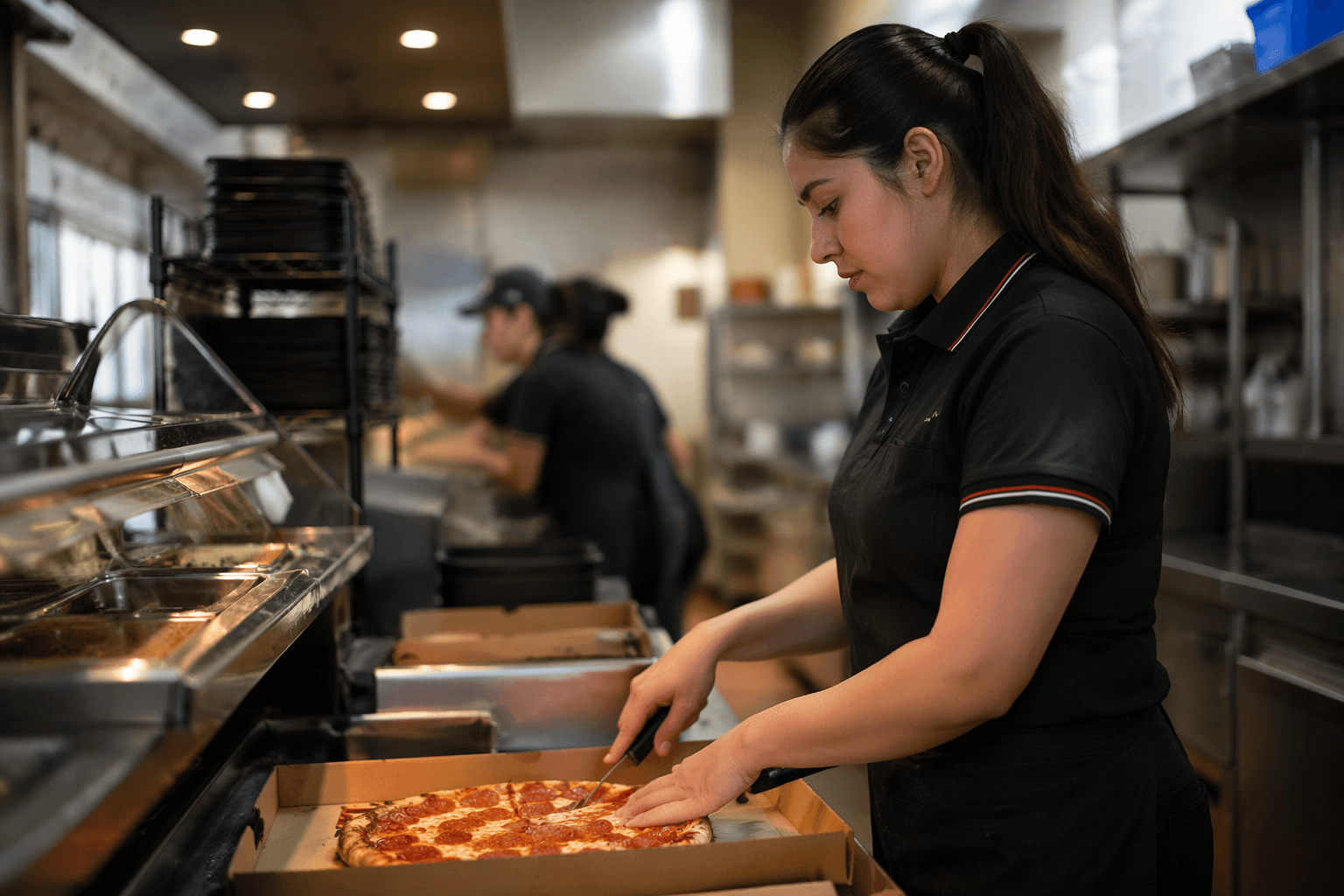
Labor Department finalizes union disclosure rule affecting Pizza Hut teams
The Labor Department’s new union disclosure rule will make dues, spending and governance more visible, and Pizza Hut managers in organizing markets may feel that pressure first.
The fastest way a Pizza Hut store gets in trouble is when pay, breaks and scheduling complaints pile up before franchise leaders hear about them. A new Labor Department disclosure rule will not change that overnight, but it does make union finances and internal governance easier to scrutinize when workers start organizing.
The department finalized the rule on May 29, adding a new long-form LM-2 for the largest labor organizations and raising filing thresholds for smaller unions. The changes are meant to reduce paperwork for smaller groups while giving members a clearer picture of how dues are spent and making fraud or embezzlement harder to hide. The rule will apply only to annual financial reports for fiscal years beginning on or after July 1, 2026.

That matters because the Labor-Management Reporting and Disclosure Act gives union members a bill of rights, requires annual financial reporting, and sets standards for officer elections and safeguards for union funds and assets. The Office of Labor-Management Standards last substantially revised Form LM-2 in 2003, and the LM-3 and LM-4 thresholds had not been updated since 1992. In practice, the new framework gives workers in a campaign more material to examine, from dues handling to how a local union talks about its money and operations.
For Pizza Hut managers, the immediate lesson is not that every store is headed for a union drive. It is that the stores already under pressure can move fast from ordinary labor complaints to a formal campaign, especially when drivers, kitchen crews and shift leads think scheduling, pay or breaks are being handled carelessly. In those situations, managers who delay clear communication or kick problems up the chain too slowly can turn a fixable staffing issue into organizing fuel.
Pizza Hut has already lived through that pattern. In Los Angeles’s Historic Filipinotown, workers staged a three-day strike in April 2024 over alleged wage theft, unpaid overtime, denied sick leave and chaotic scheduling, with the complaint citing about $81,443 in back pay and penalties. In Scotland, Unite said in March 2025 that around 200 workers at 23 Pizza Hut takeaway outlets owned by Glenshire Brands were affected by grievances over pay and breaks, along with drivers’ commission, leave and health and safety concerns.
The brand’s labor exposure has not stopped at store-level disputes. A former Pizza Hut franchisee that operated more than 300 locations nationwide agreed in October 2024 to pay $4.75 million to settle a delivery-driver wage case involving vehicle and fuel costs, with the class potentially covering thousands of drivers across eight states. The National Labor Relations Board also lists 2024 unfair-labor-practice charges in Mesquite, Nevada, and Los Angeles against Southern California Pizza Company, LLC d/b/a Pizza Hut.
For franchise managers, the message is blunt: the labor paper trail is getting heavier, not lighter. When workers start asking harder questions, the stores that already have sloppy scheduling, weak follow-through on breaks or shaky wage practices are the ones most likely to feel the heat.
This article was produced by Prism’s automated news system from verified source data, official records, and press releases, then run through automated quality and moderation checks before publishing. The system is built and supervised by the people who set the standards it runs under. Read our full AI policy.
Did this article answer your question?