Lena Brands bankruptcy shows how cash flow can disrupt restaurant jobs
A frozen $650,000 payment shows how fast a restaurant cash squeeze can turn into cut hours, delayed repairs, and payroll pressure on the floor.
Cash flow is the real emergency
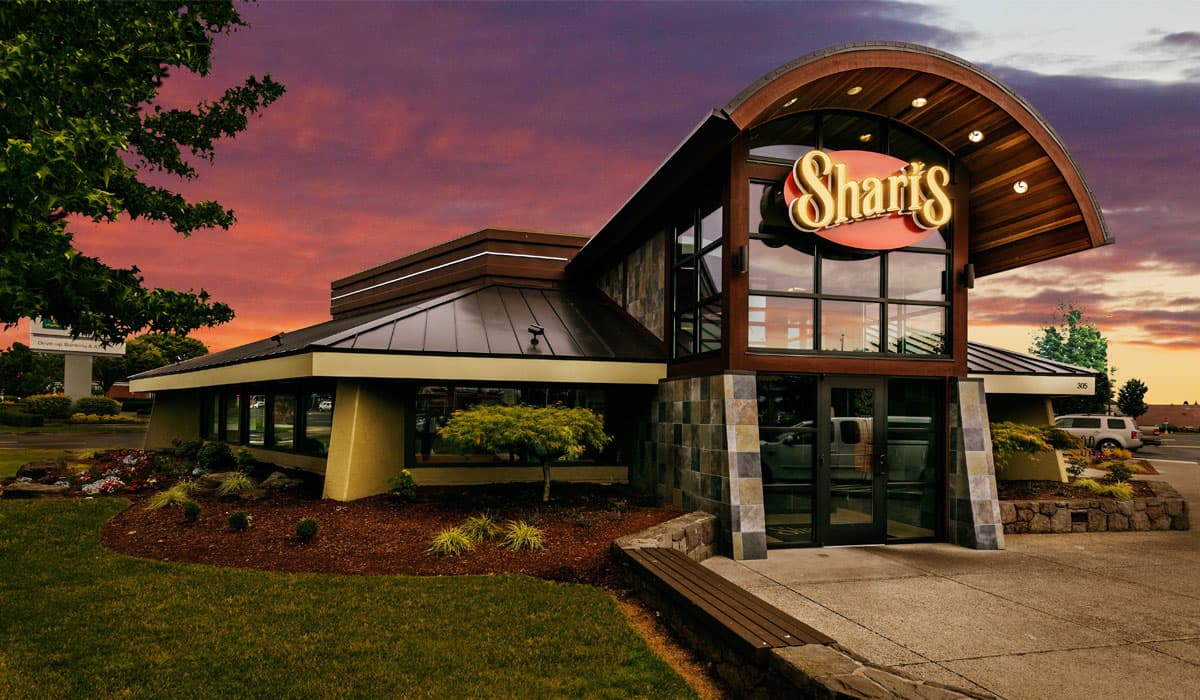
Restaurant trouble often looks like a food problem or a sales problem from the outside. On the floor, though, the first crisis is usually cash. Lena Brands, the owner of Coco’s and Shari’s, asked bankruptcy court for help after a payment processor withheld access to about $650,000 in funds, and that is the kind of disruption that can ripple through a restaurant group long before customers notice anything wrong.

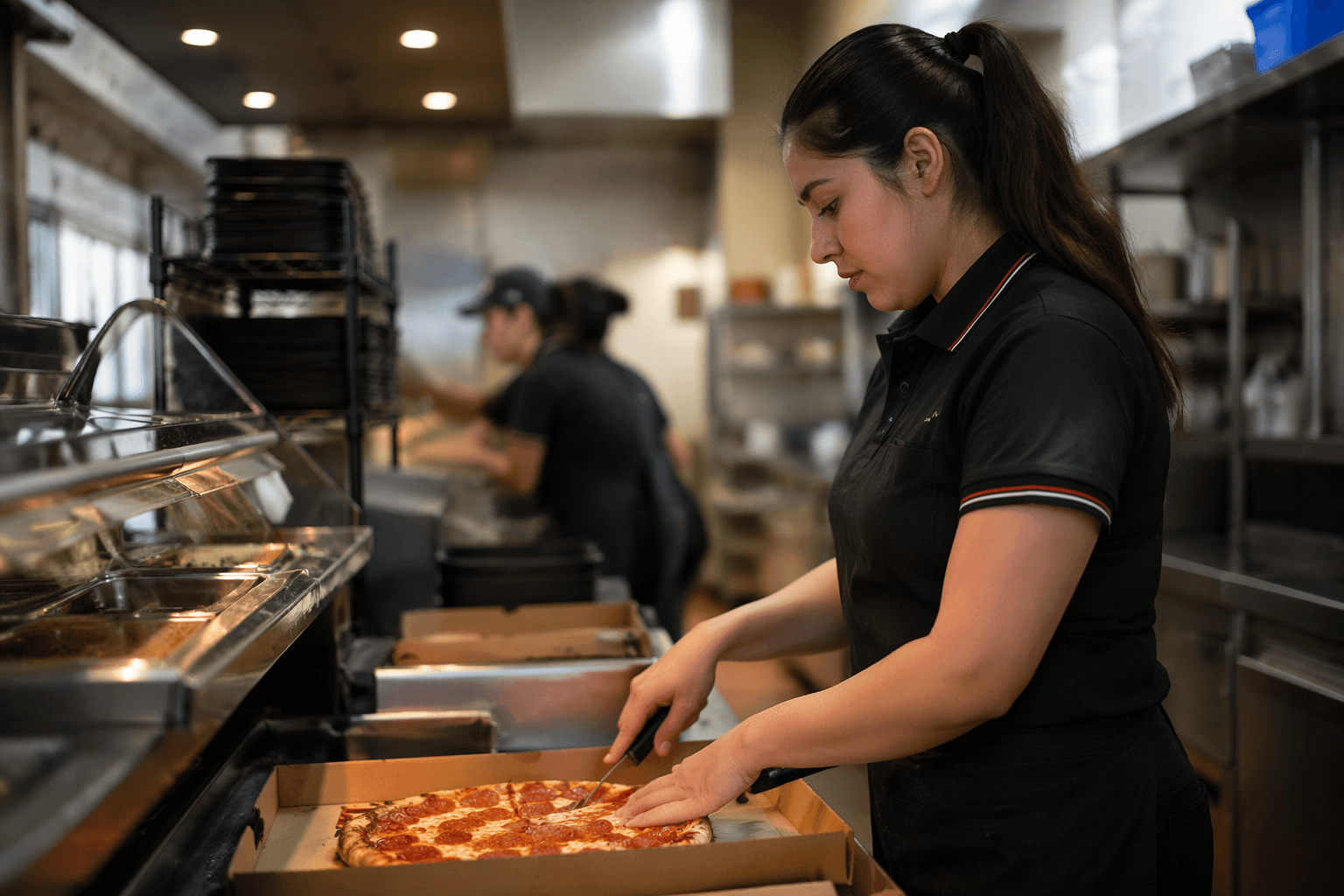
For Pizza Hut managers, the lesson is blunt: when money gets stuck, everything downstream gets harder. Payroll can tighten, vendors can get nervous, repairs can wait, and the day-to-day rhythm of the store can start to wobble. In a franchise system, that pressure is felt by the people trying to keep the ovens hot, the delivery line moving, and the schedule covered.
Why the floor feels it first
A cash-flow freeze does not stay in accounting for long. It shows up in reduced hours, slower maintenance, and uncertainty about shifts, especially when a leadership team shifts from growth mode to cash-preservation mode. That means a broken prep table may stay broken, a supply order may arrive late, and a manager who should be planning labor can end up scrambling to protect liquidity instead.
That is why bankruptcy headlines matter to crew members even when the brand on the box has not changed. The business behind the brand is what pays wages, keeps equipment working, and decides whether the store can absorb a bad week. If money is locked up, the effect can be immediate and visible on the line, in the dish pit, and at the front counter.
The warning signs worth watching
The most useful lesson from this case is not theoretical. It is operational. By the time a company is openly asking a bankruptcy court for help, the pressure has often been building through smaller, easier-to-miss signals.
Watch for these signs in any Pizza Hut operation:
- Payment delays that start showing up with vendors or service providers.
- Frozen accounts or other signs that cash is being restricted.
- Missed vendor deliveries that force last-minute menu or inventory adjustments.
- Sudden reductions in hours that leave crews understaffed and managers stretched thin.
Those signals are not just back-office annoyances. They are early warnings that a store or franchise group may be sliding toward service problems. Once inventory gets shaky, labor gets cut, or a supplier starts hesitating, the store can lose the stability it needs to run smoothly.
What managers should do before the trouble spreads
For Pizza Hut managers, the practical takeaway is to stay close to labor planning, inventory turns, and supplier communication. A weak cash week can become a service week problem very quickly, especially in a business where timing matters and one late delivery can throw off a whole shift. If the store cannot count on regular cash movement, it becomes harder to build a reliable schedule or keep basic operations predictable.
That means managers need to read the floor as a financial indicator, not just a performance indicator. If hours are getting cut, if deliveries are becoming irregular, or if repair requests are piling up, those are signs that the store may be under financial stress. The sooner those signs are treated as operational risks, the more chance there is to keep the restaurant steady before the problem reaches payroll or guest service.
The broader franchise lesson
This story is not about Pizza Hut specifically, but it is highly relevant to anyone working inside a franchise system. A weak balance sheet in one operating group can affect staffing, morale, and store continuity fast, even if the brand itself still looks stable from the outside. The logo on the sign does not pay the bills. The local operator does.
That matters for crew members as much as for managers. When the business behind the restaurant is under pressure, workers often feel it first through shorter shifts, uncertain schedules, and the sense that every decision is suddenly about survival rather than improvement. For teams trying to keep a Pizza Hut store running day after day, the real warning is simple: if cash flow breaks, the workplace can change almost immediately.
What Shari’s decline signals
The situation is also a reminder of how quickly a restaurant chain can shrink once financial strain deepens. Shari’s is down to just nine locations, a sign of how severe the pressure has become for the parent company. That kind of contraction is not just a corporate statistic. It usually reflects a long stretch of operational stress that can include fewer hours, tighter budgets, and a narrower path to recovery.
For workers, that is the part worth remembering. Bankruptcy is often described as a legal process, but in restaurants it is usually a workplace story first. It can mean the difference between a normal week and a week where schedules change, supplies are late, and managers spend more time protecting cash than running the business.
The real lesson for Pizza Hut is not to wait for the court filing. The earliest warning is the one you can see on the floor: when the money flow tightens, the store starts to feel it before anyone says the word bankruptcy.
This article was produced by Prism’s automated news system from verified source data, official records, and press releases, then run through automated quality and moderation checks before publishing. The system is built and supervised by the people who set the standards it runs under. Read our full AI policy.
Did this article answer your question?