Miso Robotics buys Zume assets, keeps pizza automation push alive
Miso Robotics picked up Zume’s pizza hardware, software and patents, reviving a failed automation bet just as Pizza Hut wrestles with tech that can speed prep but still stumbles in stores.
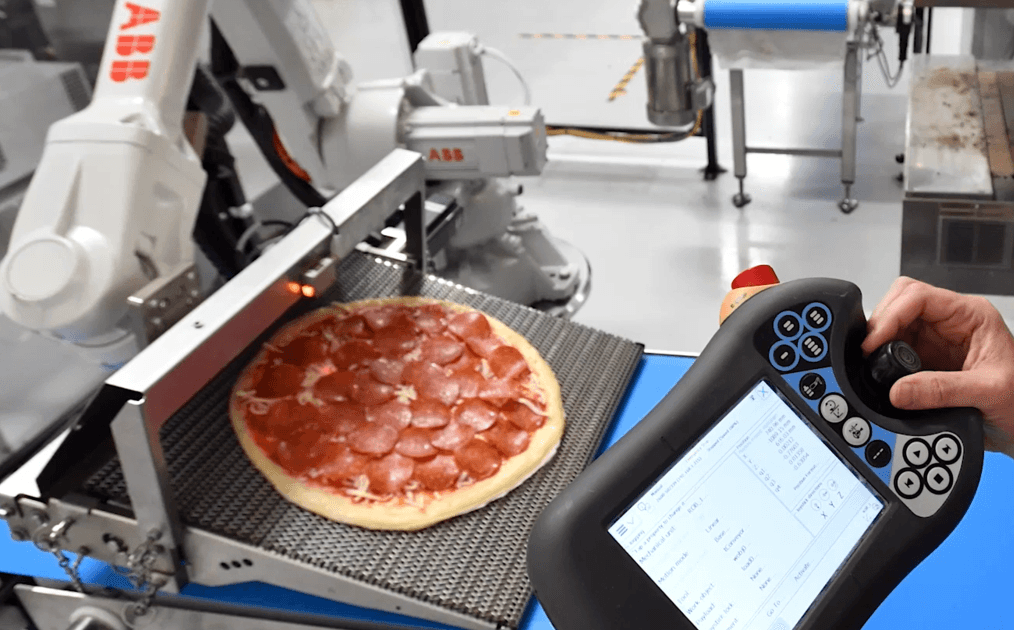
Miso Robotics has bought the hardware, software and patent portfolio from the shuttered Zume Pizza venture, reopening a path for pizza automation after one of the category’s best-known failures. The deal, announced June 24, keeps the Flippy maker in the race to build kitchen tools that could affect how Pizza Hut stores stretch dough, sauce pies, add toppings, bake and box orders.
The purchase lands with baggage. Zume was founded in 2015, drew about $375 million from SoftBank in late 2018 and was at one point described as worth about $2.25 billion, though later reporting said that figure was disputed and may have been closer to $1.25 billion for part of the round. By 2020, Zume had sold its pizza technology business and shifted to sustainable packaging. It shut down in 2023 and chose to liquidate assets rather than file for bankruptcy.
For Pizza Hut crews, the practical lesson is not that robots are about to replace line workers overnight. It is that automation vendors are still trying to break apart pizza work into tasks machines can handle without wrecking speed or quality. Miso chief executive Rich Hull has said pizza is a strong candidate because the workflow is repeatable and high-volume, which makes it easier to target repetitive prep steps in stores that are already juggling dine-in, delivery and carryout traffic.
That matters inside Pizza Hut because the brand is already deep into Yum Brands’ wider technology buildout. Yum said in February 2025 that roughly 25,000 global restaurants were using at least one Byte by Yum component, and that thousands of Taco Bell, Pizza Hut and KFC restaurants were already running Byte tools. Yum has also said its Pizza Hut U.S. system was getting Byte commerce and kitchen functions, tying store operations more closely to the company’s own software stack.
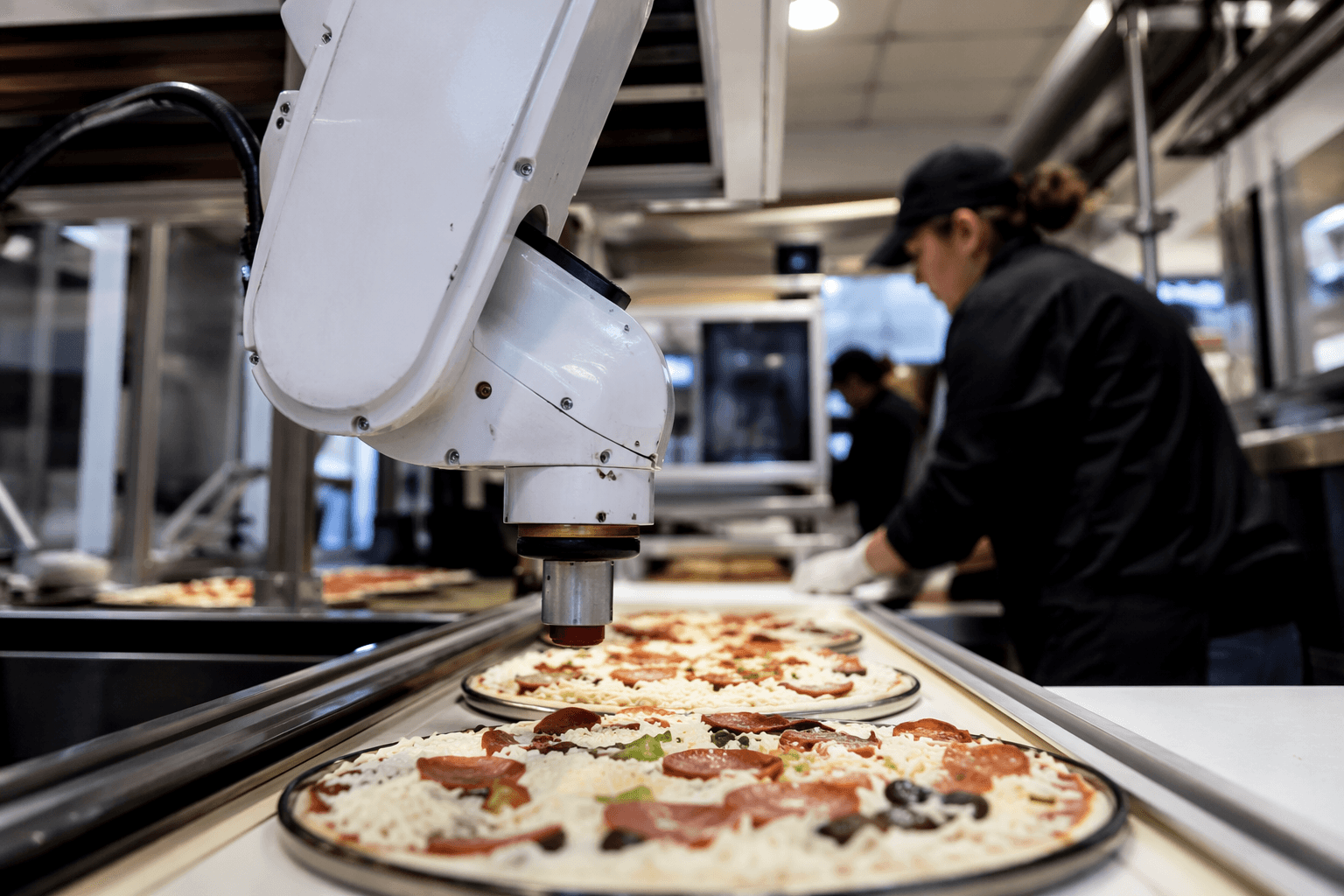
The automation push has not been friction-free. In March 2025, Yum and Nvidia said they would deploy new AI at about 500 restaurants, including Pizza Hut locations, after pilots at some Pizza Hut and Taco Bell stores. The work focused on drive-thru and call-center voice AI, back-of-house computer vision and restaurant-level analytics, all designed to make stores faster and easier to manage. But in May 2026, Chaac Pizza Northeast, which operates 111 Pizza Hut locations, sued over mandatory Dragontail kitchen software, alleging disruptions, more than $100 million in losses, slower delivery times, lower customer satisfaction and less control over DoorDash workflow.
That is the reality check for front-line Pizza Hut workers. Automation can take over pieces of the job that are repetitive, measurable and easy to standardize. It still has to prove it can hold up in a busy store, where timing, staffing, delivery pressure and local franchise decisions all shape whether new tech helps the crew or just adds another layer to manage.
This article was produced by Prism’s automated news system from verified source data, official records, and press releases, then run through automated quality and moderation checks before publishing. The system is built and supervised by the people who set the standards it runs under. Read our full AI policy.
Did this article answer your question?