Papa Johns buyout talk signals more consolidation pressure for Pizza Hut workers
Papa Johns’ buyout talks add fresh pressure on Pizza Hut as both chains face closures, tougher discounting and tighter store targets.
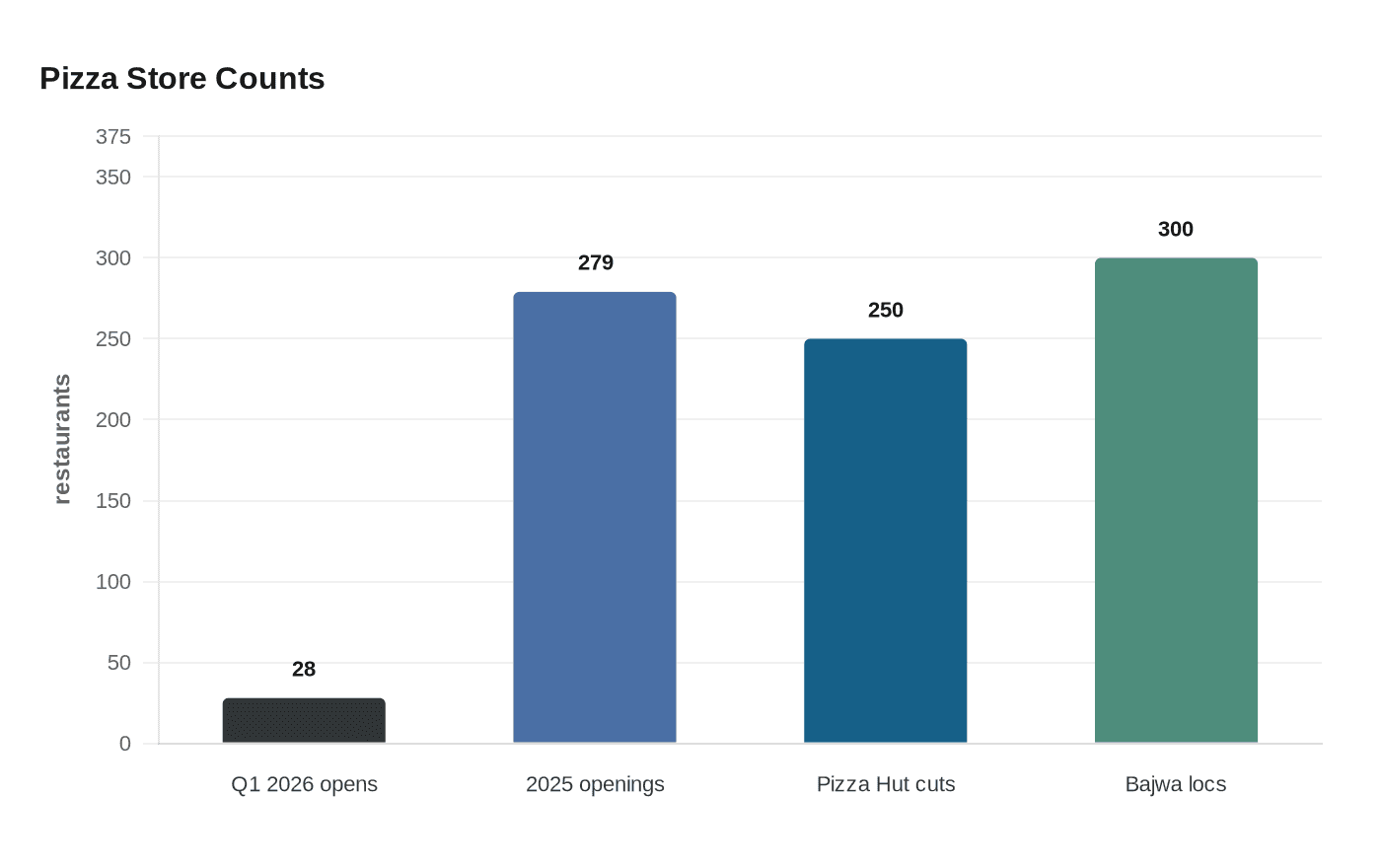
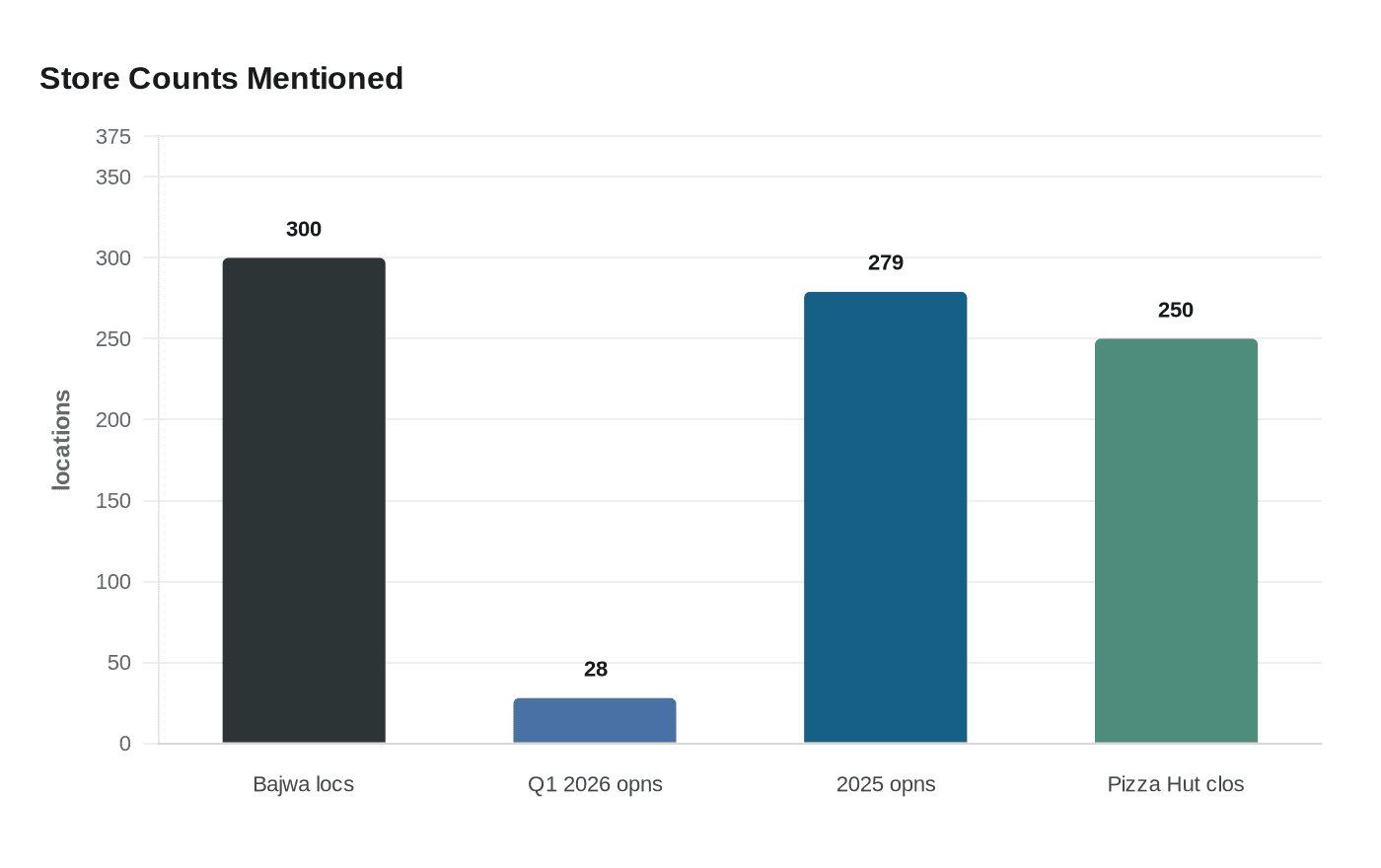
Papa Johns’ latest buyout chatter is another sign that the pizza business is getting more crowded at the top and more unforgiving inside stores. Irth Capital is working with Nadeem Bajwa, Papa Johns’ largest U.S. franchisee, on a possible take-private deal, and Bajwa controls about 10% of the chain’s domestic restaurants while operating nearly 300 locations. His rise from a delivery driver in Indiana to a major franchise owner and CEO of Bajco Group is a familiar pizza-industry story, but it also shows how much weight big operators now carry as chains rethink ownership and strategy.
The timing matters for Pizza Hut workers because the broader market is already under strain. Papa Johns posted $1.20 billion in global system-wide restaurant sales in the first quarter of 2026, but North America comparable sales fell 6.4%, even as the chain opened 28 new restaurants. For full-year 2025, Papa Johns reported $4.92 billion in global system-wide restaurant sales, 279 new restaurant openings and adjusted EBITDA of $201 million. Those numbers help explain why investors are circling the category: growth is still there, but it is uneven, and weak same-store sales leave more room for owners to push harder on price, costs and operational discipline.
Pizza Hut is facing its own overhaul. Yum! Brands announced a formal review of strategic options for the brand on November 4, 2025, with Goldman Sachs and Barclays hired as advisers. Yum later said Pizza Hut would close about 250 U.S. stores in the first half of 2026 under its Hut Forward plan, a move that one estimate put at roughly 4% of the brand’s U.S. footprint. Bidders including Sycamore Partners, Apollo Global Management and LongRange Capital have also been linked to the review.
For drivers, kitchen crews and restaurant managers, that means the pressure is likely to show up in the day-to-day work first. A more transactional pizza market usually brings heavier discounting, more aggressive delivery and tech competition, and more scrutiny on store-level performance, from ticket times to labor scheduling. It also gives franchise operators and lenders more reason to compare every unit against the strongest stores in the system, which can translate into tighter staffing expectations and sharper calls on whether a store is worth keeping open. The pizza chains are not just fighting for customers anymore; they are fighting to prove which stores can still make the math work.
This article was produced by Prism’s automated news system from verified source data, official records, and press releases, then run through automated quality and moderation checks before publishing. The system is built and supervised by the people who set the standards it runs under. Read our full AI policy.
Know something we missed? Have a correction or additional information?
Submit a Tip