Picnic’s shutdown shows robots still can’t solve restaurant labor shortages
Picnic’s liquidation is a warning shot for pizza automation hype. The robot maker raised tens of millions, then still shut down and handed its assets to CMBG3 Law PLLC.
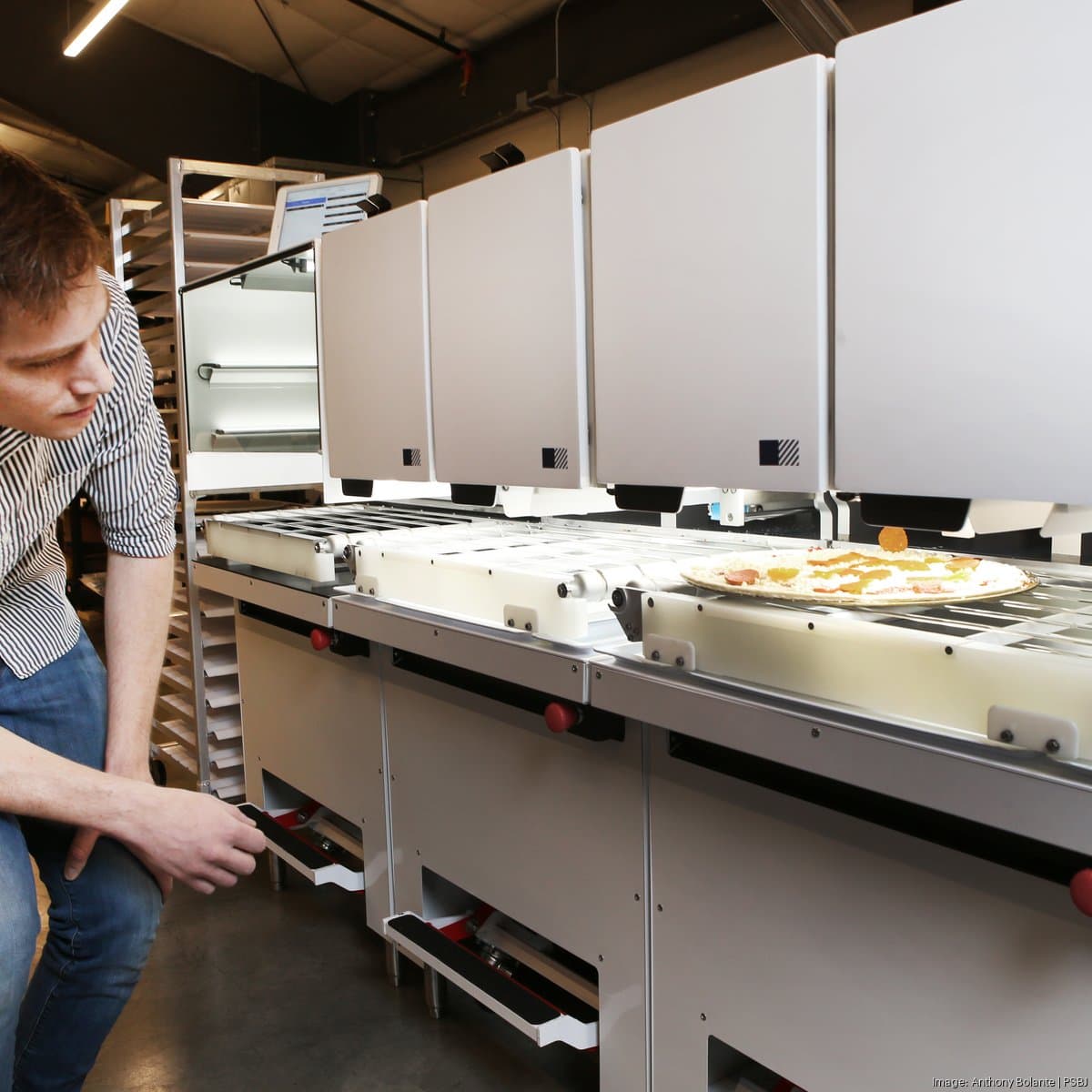
Picnic’s shutdown is a blunt reminder that a robot can impress at a demo and still fail the harder test: surviving as a restaurant-tech business. The Seattle startup, founded in 2016, entered a general assignment for the benefit of creditors on May 11 and later had its assets transferred for liquidation to CMBG3 Law PLLC.
Picnic built the Pizza Station around a simple pitch to operators starved for labor after the pandemic: automate sauce, cheese and toppings, cut waste, improve consistency and bring labor costs down. The machine was priced as a subscription rather than a one-time purchase, with monthly charges reported at $3,500 to $5,000 depending on configuration and production volume. Even at that level, the company never reached the scale many investors expected.

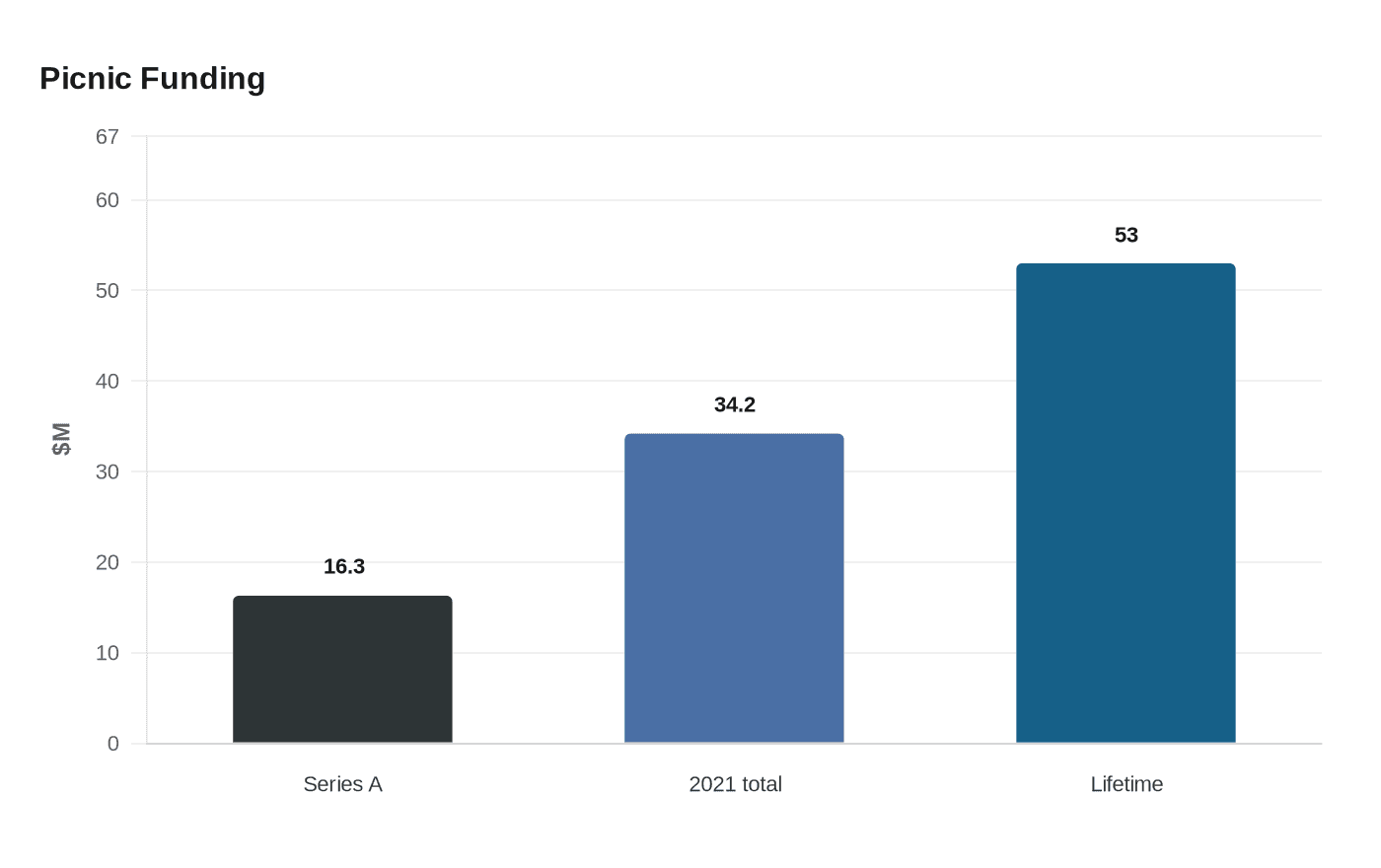
The funding story shows how much optimism the category drew. Picnic said in 2021 that it had raised $34.2 million, including a $16.3 million Series A led by Thursday Ventures with support from Vulcan Capital, Flying Fish Partners and Creative Ventures. Other reporting put lifetime fundraising at about $53 million. Picnic also told customers in August 2021 that it would fulfill existing orders through that year and begin shipping new orders in 2022, a signal that the business was still trying to turn interest into repeatable deployment.
For Pizza Hut managers, the caution is not that automation has no place in the store. It is that the math has to work at the unit level, where speed, uptime and maintenance all hit the labor budget. A pizza robot that does not reliably improve throughput or margin becomes another expensive machine for front-line crews to work around. That is the real test, not how good the technology looks on a trade-show floor.
Pizza Hut has already shown what selective automation looks like in practice. In Bnei Dror, Israel, the chain operated a robotic restaurant using Hyper Food Robotics technology. Pizza Hut Canada also ran a two-week Serve Robotics sidewalk-delivery pilot in Vancouver in September 2021, then announced another Serve Robotics delivery pilot in Vancouver in January 2026. Those experiments point to a narrower reality than the robot-replaces-everyone storyline: automation may still matter, but only when it fits the store, the route and the numbers.
This article was produced by Prism’s automated news system from verified source data, official records, and press releases, then run through automated quality and moderation checks before publishing. The system is built and supervised by the people who set the standards it runs under. Read our full AI policy.
Did this article answer your question?