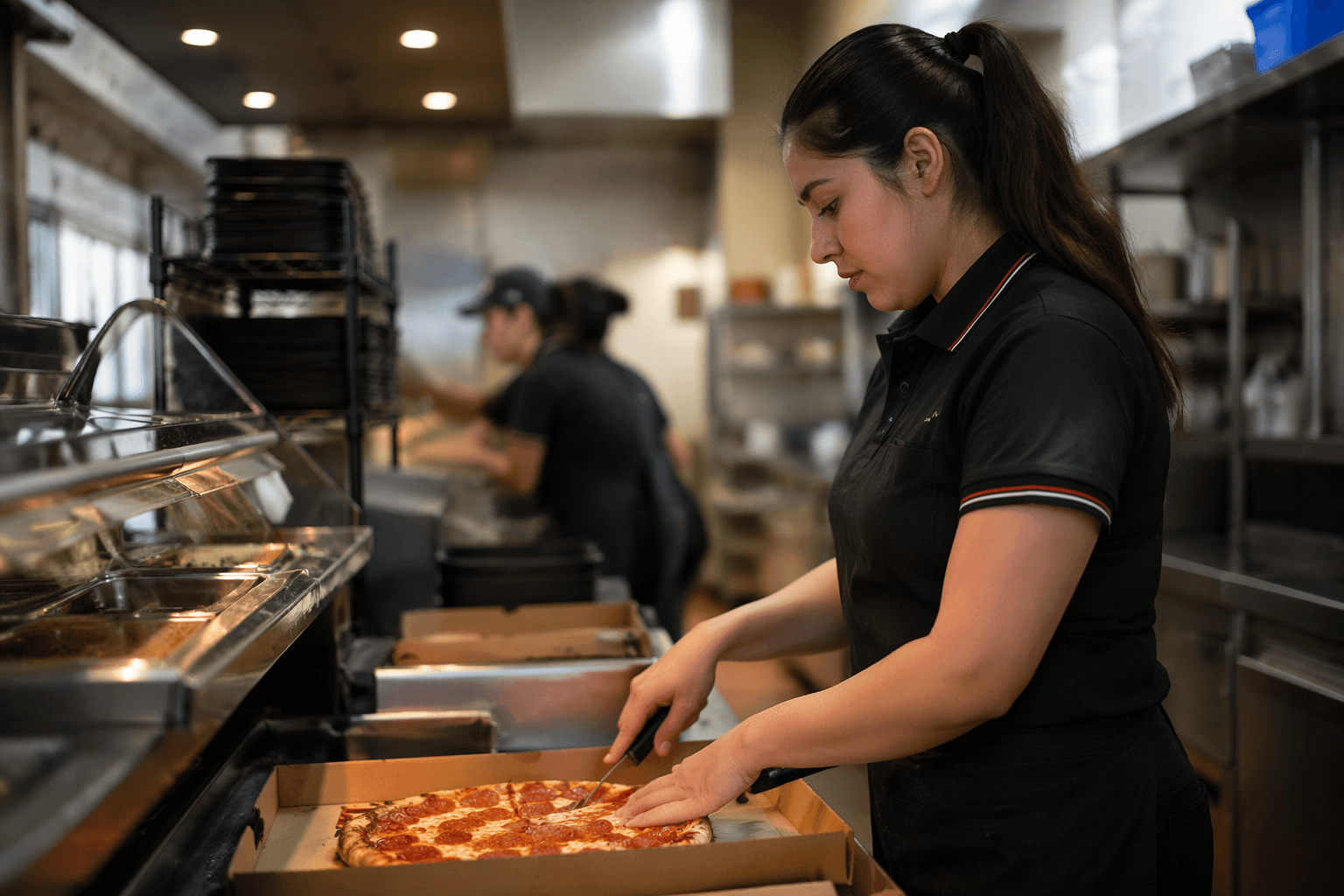
Pizza Hut blog spotlights 31-year career path from store to director
A 31-year Pizza Hut career shows how store jobs can become a real internal ladder when managers train, promote, and keep people moving.
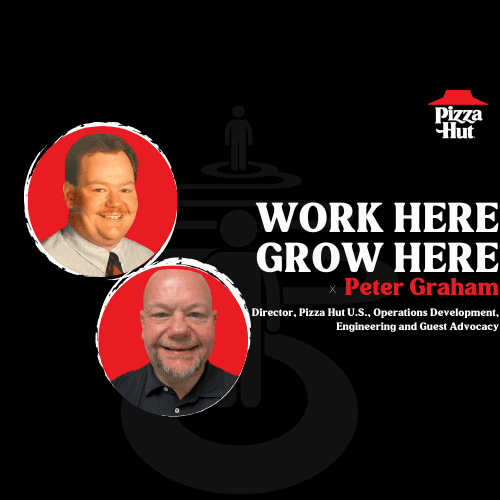
A career path that starts at the store and keeps going
Pizza Hut’s latest Hut Life profile is useful because it shows something restaurant workers rarely get to see clearly: a job that began as a restaurant general manager in 1993 eventually grew into a director-level role tied to U.S. operations development, engineering, and guest advocacy. The featured employee stayed with Pizza Hut for 31 years, held a dozen roles, and even picked up eleven U.S. patents along the way.

That is not a soft-focus career story. It is a map of how a brand can turn frontline knowledge into long-term value, and why retention matters when every store is fighting for trained people. For drivers, kitchen crew, and shift leaders, the real message is straightforward: if a company wants loyalty, it has to offer more than a schedule and a uniform.
What the 31-year run really shows
The most important detail in this story is not the title at the end. It is the number of roles in between. The employee moved through training, area management, and product development, which tells you the brand was willing to let one person build across functions instead of locking them into a single lane.
That kind of movement matters inside restaurants because the work is already cross-functional. A good general manager has to understand food safety, labor, guest recovery, scheduling, inventory, and margin pressure at the same time. When a company recognizes that those skills can transfer into training, product, or operations work, it gives employees a reason to stay and learn instead of leaving for a different employer after the first burnout cycle.
Why Pizza Hut’s internal ladder matters to workers
For hourly workers, the headline lesson is not that everybody will end up in a director role. It is that a restaurant job can still be a launch point if the store culture rewards learning and advancement. That matters in a field where delivery drivers are often weighing tips, mileage, and unpredictable volume against gig apps and other fast-paying work.
At the store level, the gap between a dead-end job and a career usually comes down to whether managers make growth visible. Cross-training a driver on prep or a crew member on closing duties is not just about coverage. It also shows people how the business works and makes it easier to spot who can handle a shift lead role, a training assignment, or area support later on.
The management habits behind retention
The profile points to a few practices that are worth copying because they are practical, not flashy. Internal promotion only works when someone in the building is actually watching for readiness. Training only matters when it leads to new responsibilities. Recognition only sticks when workers can see that effort changed their future, not just their mood for one shift.
- identifying crew members who want more responsibility early
- rotating people through different stations so they understand the full operation
- letting strong performers help train others
- connecting day-to-day performance to next-step roles instead of vague praise
For Pizza Hut managers, the operational lesson is to treat development as part of the labor model, not an extra. That means:
Those habits reduce turnover because people can see a path. They also protect stores from the constant cost of replacing experienced workers, which is where most restaurant teams get hurt.
A brand with deep roots and a big system behind it
The story also lands differently because Pizza Hut is not a small local chain with one or two stores to manage. The brand says it began in Wichita, Kansas, in 1958, when two brothers borrowed $600 from their mother to open a pizza place. Yum! Brands now says its system includes more than 61,000 restaurants in more than 155 countries and territories, and Pizza Hut remains one of its global leader brands.
That scale matters because it explains why internal mobility can be so valuable. In a system that large, the company does not just need people who can run one store. It needs managers, trainers, product thinkers, and operations leaders who understand how frontline decisions travel across a huge franchise network. A worker who starts in a dining room or kitchen and later helps shape guest advocacy or engineering is not an anomaly. In a system this big, that kind of institutional memory is an asset.
Why the timing makes the profile more than nostalgia
Pizza Hut’s parent company said in 2025 that it had started a formal review of strategic options for Pizza Hut. That makes this career profile more than a pleasant brand history piece. It becomes part of the company’s argument about what Pizza Hut is worth: not just as a chain of stores, but as a people system with operational knowledge, patents, and career depth built into it.
That is important for franchisees and store leaders to understand. If a brand is evaluating its future, the strongest stores are usually the ones that can hold onto people long enough to develop them. The employees who know the menu, the pace, the equipment, and the guest patterns are the ones who keep service from slipping when demand spikes or staffing gets thin. Losing them costs time, money, and consistency.
What managers can take from this now
The best reading of this story is not sentimental. It is managerial. A Pizza Hut store can become a retention engine when local leaders make advancement visible and make learning part of the job. That means the manager who only focuses on tonight’s schedule is missing the bigger picture, while the manager who coaches for the next role is building a stronger store.
The featured career path shows that Pizza Hut can do more than hire people into entry-level work. It can, when the culture supports it, move them across the business into roles that shape operations, products, and the guest experience itself. That is what long-term loyalty looks like in a franchise system: not a slogan, but a chain of real opportunities that keeps people inside the brand instead of pushing them out of it.
This article was produced by Prism’s automated news system from verified source data, official records, and press releases, then run through automated quality and moderation checks before publishing. The system is built and supervised by the people who set the standards it runs under. Read our full AI policy.
Did this article answer your question?