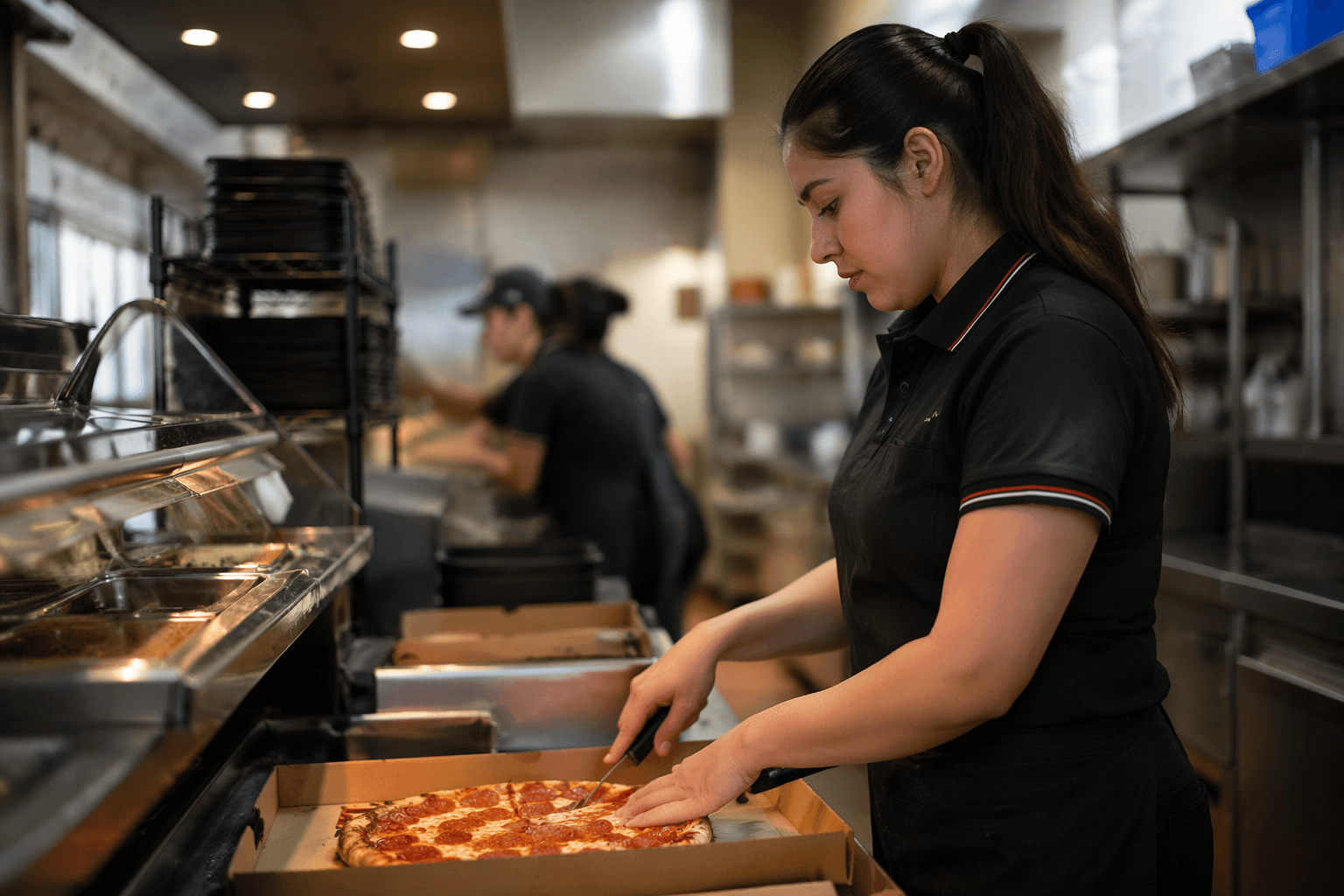
Pizza Hut can learn from menu hacks as protein demand grows
Chick-fil-A’s protein test shows how menu hacks become products, and Pizza Hut’s wings, bundles and toppings are already built for the same play.
Chick-fil-A is turning a customer habit into an official protein play, and Pizza Hut managers should take note. According to Nation’s Restaurant News, the chain is testing a Protein Scramble Bowl, double protein on salads, and salad-as-a-meal options in four markets through early fall after noticing guests already were hacking the menu to add nuggets and build more protein into breakfast orders.
When a hack becomes a product
That is the bigger signal: the brand is not inventing demand, it is formalizing behavior that already shows up at the register. For kitchen crews, that matters because every successful shortcut can become a more complicated station task if it is not packaged cleanly, with the right prep, inventory and line training. A menu hack that works for one guest becomes a service issue when hundreds of guests start asking for it in the same way.
For Pizza Hut, the lesson lands hard because the brand already sells in the space where customization, protein and convenience collide. The challenge is not whether guests want more, it is whether the chain can turn repeat requests into something the make line can execute quickly without blowing up ticket times or creating confusion across stores.
Pizza Hut already has the raw material
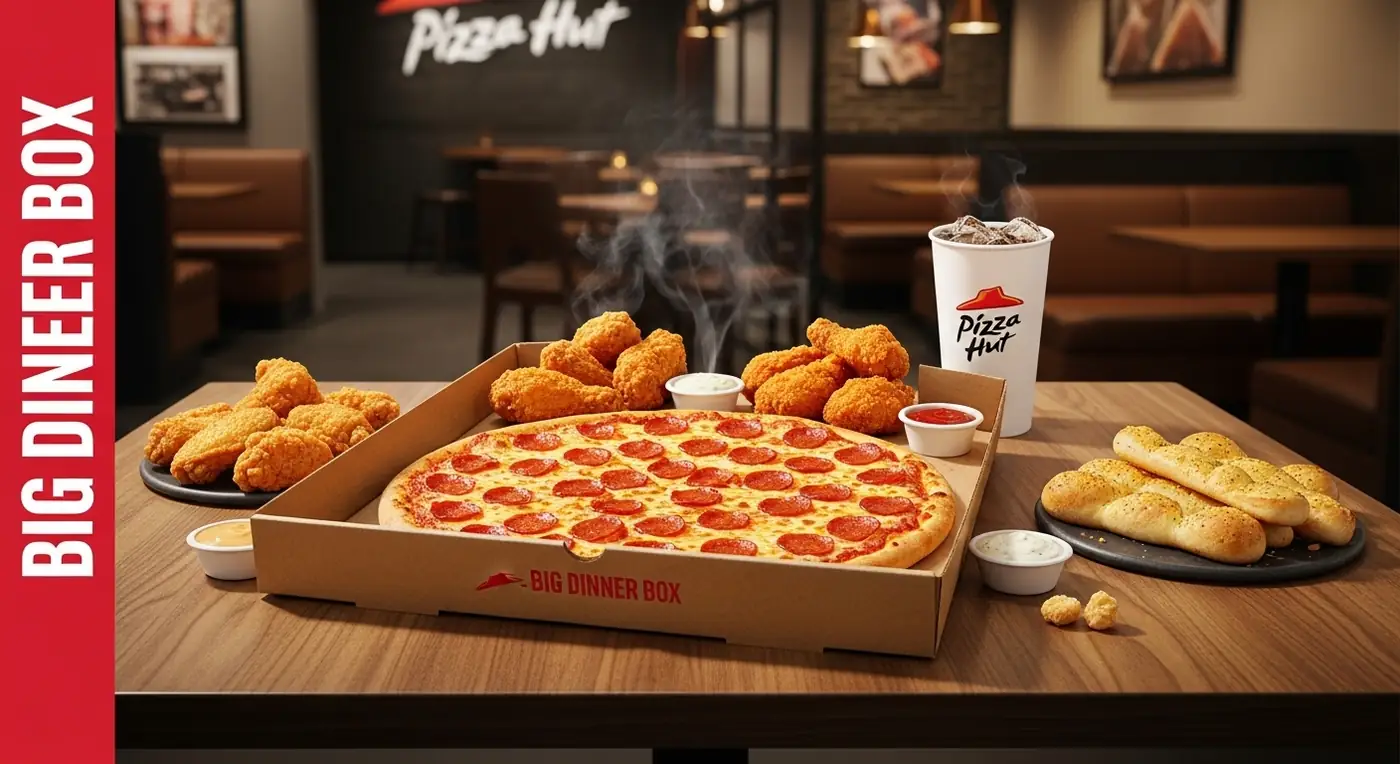
Pizza Hut’s current menu already gives the company a lot of places to play with this kind of demand. Its official categories include Pizza, Melts, Wings, Sides, Party of One, Pasta, Desserts, Dips and Drinks, and the brand has leaned heavily into bundle-style ordering with items such as the Big Dinner Box, the My Hut Box, and the $7 Deal Lover’s Menu.
That structure matters because customers looking for more protein are usually not asking for a totally new category. They are trying to make an existing order feel more filling, more shareable, or more worth the price. Pizza Hut already knows this, which is why its website flags that extra charges may apply for extra cheese, stuffed crust, pan and extra toppings, and why fried WingStreet availability and flavors vary by location.
Those details are not just fine print. They are a reminder that every add-on changes the rhythm of the store, from forecasting to prep to whether a location can actually fulfill what the menu suggests. A protein-heavy idea is only useful if it can be sold, built and delivered without creating a mess for the people making it.
The company has already told customers what it thinks they want
Pizza Hut has been signaling for months that customer pairing behavior is part of its menu strategy. In its Jan. 9, 2025 Pizza Trends Report, the chain said the study covered toppings, unique combinations, eating behaviors and consumption, and it found that 59% of respondents agreed pizza and wings are the ultimate pairing. The same report said 32% of people expected to eat more pizza in 2025 than in 2024, and Pizza Hut tied the data to a Stuffed Crust Pizza & Wings Bundle priced at $19.99.
Rachel Antalek, Pizza Hut’s chief food innovation officer, framed that effort as part of the brand’s innovation heritage, pointing to the Original Pan Pizza introduced in 1983 and Original Stuffed Crust introduced in 1995. She also said the chain continues to see demand for unique flavors, modern bold toppings, and pairings such as dipping sauces and wings.
That is the part managers should watch closely. Pizza Hut is not merely adding items because the calendar demands a launch. It is reading how guests assemble their meals, then trying to package the most common combinations into something easier to buy and easier to execute.
What this means for the store
For store leaders and kitchen crews, the Chick-fil-A move is a reminder that the safest menu innovations are the ones that answer a visible habit. If people keep adding protein, then the winning response is to make the protein add-on simple enough that it feels natural, not bespoke. If they keep pairing items, then the restaurant should look for bundle structures that raise check averages without turning every order into a custom build.
A useful filter for Pizza Hut looks like this:
- Does the item fit the existing make flow, or does it create another special case?
- Can it be explained in one line to a delivery driver, a shift lead and a customer without slowing the order?
- Does it use ingredients the store already forecasts and preps?
- Does it solve a repeat behavior, instead of chasing a trend that disappears after a promotion ends?
That is where a chain like Pizza Hut has an advantage if it uses it well. Because the brand already sells wings, stuffed crust and bundle meals, it can test protein-forward ideas without pretending every location needs a totally new kitchen identity. The opportunity is to make the order clearer and the build faster, not to make the menu louder.
The bigger play is standardizing the right hacks
Pizza Hut’s recent moves suggest it understands the upside. The company described its Chicago Tavern-Style Pizza launch as its biggest toppings menu overhaul in more than a decade, which is another way of saying it is willing to rethink how customers combine and customize toppings when the demand is strong enough. That is the same operating logic behind formalizing menu hacks: take the behavior that keeps repeating, standardize it, and remove the friction that forces workers to improvise on the fly.
For workers, that can be good news when it means fewer weird one-off requests and more predictable prep. It can also be a warning if leadership treats customization as a growth strategy without giving stores the staffing, training and ingredient discipline to support it. The chains that win on protein, pairings and bundles are usually the ones that make the back of house faster, not more improvisational.
Pizza Hut has already shown it can read the room on toppings and pairings. The next question is whether it can keep turning those habits into official products without pushing the line past what crews can handle. In a pizza business where convenience, protein and customization are all fighting for the same order, the brands that listen earliest usually spend less time cleaning up the mess later.
This article was produced by Prism’s automated news system from verified source data, official records, and press releases, then run through automated quality and moderation checks before publishing. The system is built and supervised by the people who set the standards it runs under. Read our full AI policy.
Did this article answer your question?