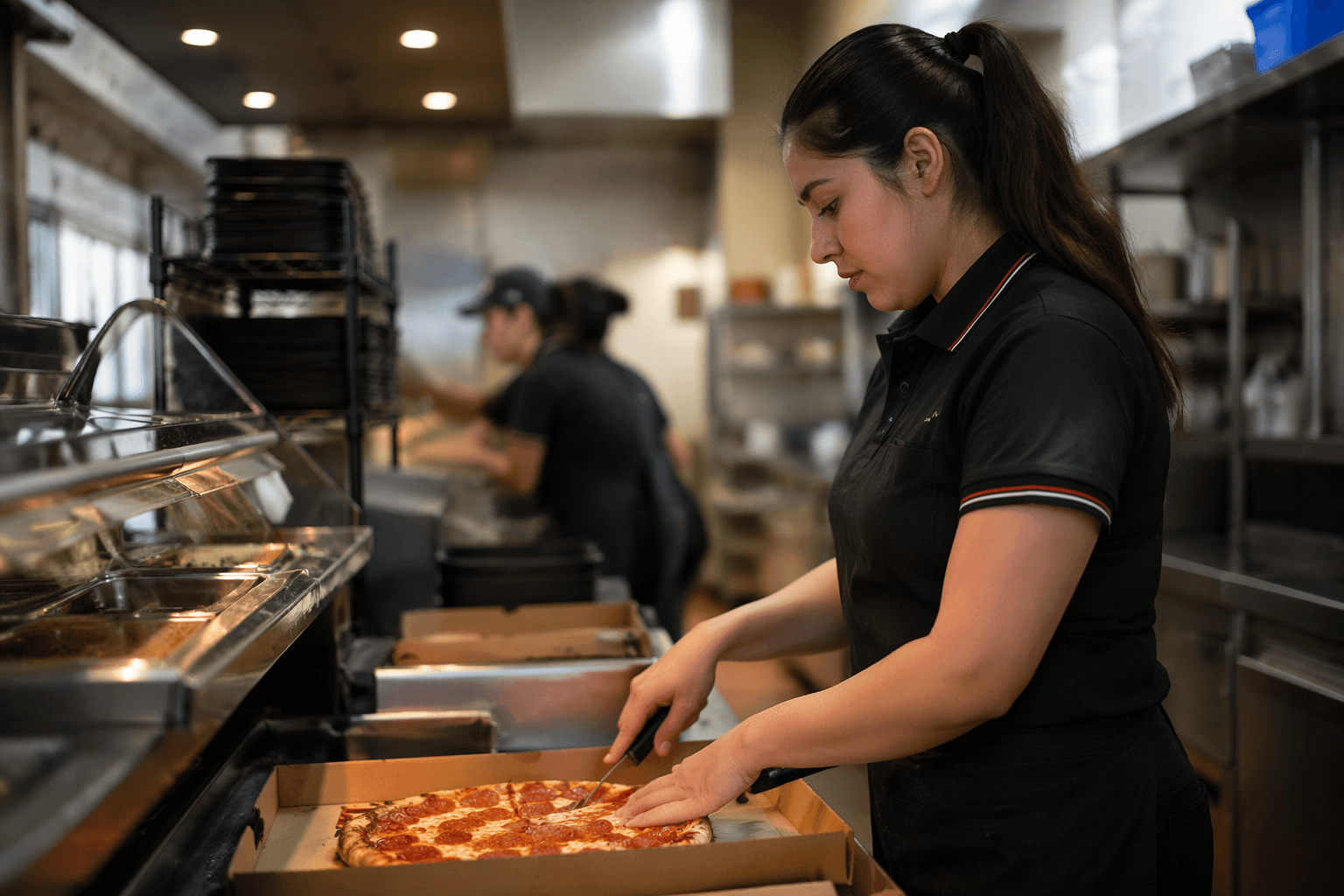
Pizza Hut Delivery Drivers, Employee or Contractor Status Determines Pay Rights
Pizza Hut drivers can lose minimum wage, overtime, mileage pay, and injury coverage if the job is treated like contractor work instead of employment.
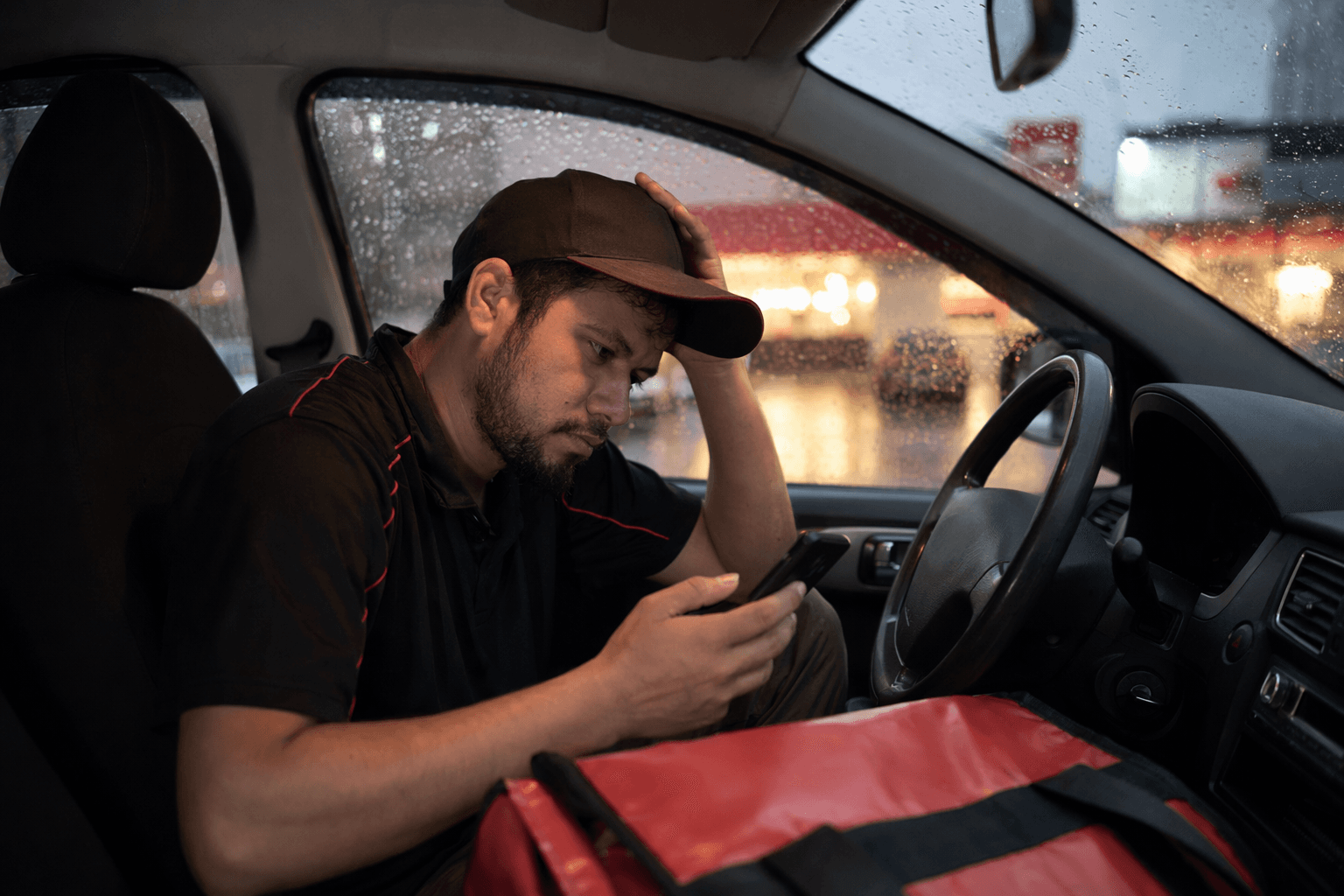
The label on the paperwork can decide what your delivery job is worth. At Pizza Hut, that choice can affect minimum wage, overtime, mileage reimbursement, taxes, and even what happens if you get hurt while working.
Why the worker label matters
The U.S. Department of Labor says the Fair Labor Standards Act covers workers when there is an employment relationship, and it says that status turns on the “economic realities” of the relationship, not the title on a form. That means a Pizza Hut driver can be treated very differently depending on whether the store sees them as a W-2 employee or as a contractor tied to a delivery platform. The department’s 2025 enforcement guidance says Wage and Hour Division investigators will no longer apply the 2024 rule’s analysis and will rely instead on Fact Sheet #13 and earlier guidance.
For drivers, that is not a technical dispute. It decides whether your paycheck runs through payroll, whether the company withholds taxes, whether overtime protections apply, and whether the store has to account for your vehicle costs. It also shapes who carries the risk when delivery slows down or the store changes how it gets food to the door.
What employee status keeps inside the job
If you are a restaurant employee, delivery hours are part of your job, and wages generally move through the store’s payroll system. That matters because payroll work usually comes with wage protections that independent contractor work does not, including minimum wage and overtime under federal law when the job qualifies as employment.
Employee status also keeps more of the burden on the company. Taxes are handled differently, and the employer is generally the party making the pay system work, not the driver trying to piece together gross pay, gas costs, and app fees after the shift. For workers trying to live on delivery income, that difference can decide whether tips and wages feel predictable or whether each run becomes a moving target.
What contractor status shifts onto the driver
Independent contractors are treated as being in business for themselves, which means they do not get the same FLSA protections. That usually changes the whole math of the job. Instead of a regular store paycheck, a contractor may be left to manage mileage, fees, tax obligations, and expense records on their own.
That matters especially in delivery work, where the car is part of the job and the margin can disappear quickly. Gas, maintenance, wear and tear, and the time spent waiting for orders can all eat into earnings. If your real pay drops below the minimum once those costs are counted, the legal and practical picture can look very different from the number shown on the app or the tip line.
Red flags that a contractor is being managed like an employee
The Department of Labor’s test focuses on the real working relationship, so workers should pay attention to the way the job actually operates. A Pizza Hut driver may be facing employee-like control if the store or franchise is directing not just the deliveries but the rest of the shift as well.
Watch for these warning signs:
- The store controls your hours, your routes, or when you take runs.
- You are expected to report to a specific restaurant and wait for assignments like any other shift worker.
- When delivery volume is slow, managers send you to stock, wash dishes, or clean instead of letting you work independently.
- You are required to follow the store’s workflow, not just pick up and drop off food on your own terms.
- Your expenses are coming out of your pocket, but the company still manages the work like payroll labor.
Those conditions do not automatically settle the legal question, but they do show why the “economic realities” test exists. If the business controls the work like an employee job, calling it contractor work on paper may not match what is really happening.
Mileage, minimum wage, and the fight over vehicle costs
Reimbursement is one of the sharpest pressure points in Pizza Hut delivery disputes. The Department of Labor issued Opinion Letter FLSA2020-12 on August 31, 2020, addressing how hourly, nonexempt delivery drivers using personal vehicles fit into minimum wage compliance. The department’s guidance also recognizes that multiple reimbursement methods may be allowed so long as the employer still meets minimum wage obligations.
Courts have been wrestling with the same issue. A 2024 federal appeals-court ruling rejected a one-size-fits-all mileage reimbursement approach for pizza-delivery drivers, which shows how hard it can be to reduce real-world driving costs to a flat formula. For workers, the practical point is simple: if mileage is underpaid, your effective hourly wage can shrink fast.
That is not theoretical at Pizza Hut. One franchisee that operated more than 300 locations nationwide agreed to pay $4.75 million to resolve a class-action FLSA dispute involving delivery drivers. Lawsuits tied to Pizza Hut operators have also alleged that drivers were not properly reimbursed for mileage and other vehicle expenses, and that when deliveries were slow, they were still required to do restaurant work like stocking, dishwashing, and cleaning.
What California showed about pressure on delivery jobs
The classification fight is also playing out in the business model itself. In California, fast-food chains with 60 or more locations were hit by a minimum wage increase to $20 an hour that took effect on April 1, 2024. Reporting said some Pizza Hut franchisees responded by cutting more than 1,200 delivery-driver jobs and shifting deliveries to DoorDash, Uber Eats, and Grubhub.
That shift tells workers something blunt: when labor costs rise, delivery work can move from a payroll job to a platform job or disappear altogether. For drivers, that can mean fewer in-house routes, more competition from gig apps, and a more fragmented pay system where mileage, tips, and tax reporting are all handled differently.
What managers and franchise operators should take from this
For Pizza Hut operators, the lesson is not just legal compliance. It is the cost of mismatching the work model with the way the job is actually run. If the store manages drivers like staff, sends them to the dish pit when orders slow down, and relies on their personal cars to keep the restaurant moving, the business should expect employee-level obligations to follow.
For drivers, the safest move is to know which side of the line you are on before you assume a tip, a reimbursement, or a paycheck will work the same way everywhere. At Pizza Hut, the difference between employee and contractor status is not paperwork trivia. It decides who pays the freight when the miles add up, the orders slow down, and the costs land on the person behind the wheel.
This article was produced by Prism’s automated news system from verified source data, official records, and press releases, then run through automated quality and moderation checks before publishing. The system is built and supervised by the people who set the standards it runs under. Read our full AI policy.
Did this article answer your question?