Pizza Hut delivery hinges on speed, packaging and taste
Pizza Hut stores win or lose on hot boxes, clean handoffs and tight staging. Get speed, packaging and accuracy aligned, and complaints fall fast.
The three things the ticket has to survive
The fastest way a Pizza Hut store gets in trouble is by letting speed outrun temperature or accuracy. Dan Collier, who says he has delivered pizza for 43 years, reduces delivery to three customer expectations: easy ordering, timeliness and great taste. In store terms, that means the order has to be entered cleanly, the food has to stay hot, and the driver has to leave with everything that belongs in the bag.
That simplicity is exactly why delivery is so hard to execute. If the order is easy to place but shows up late, the customer is unhappy. If it arrives fast but badly packaged, the customer is unhappy. If the timing and packaging are right but the pizza tastes off, the store still loses the guest.
What happens between the make line and the front door
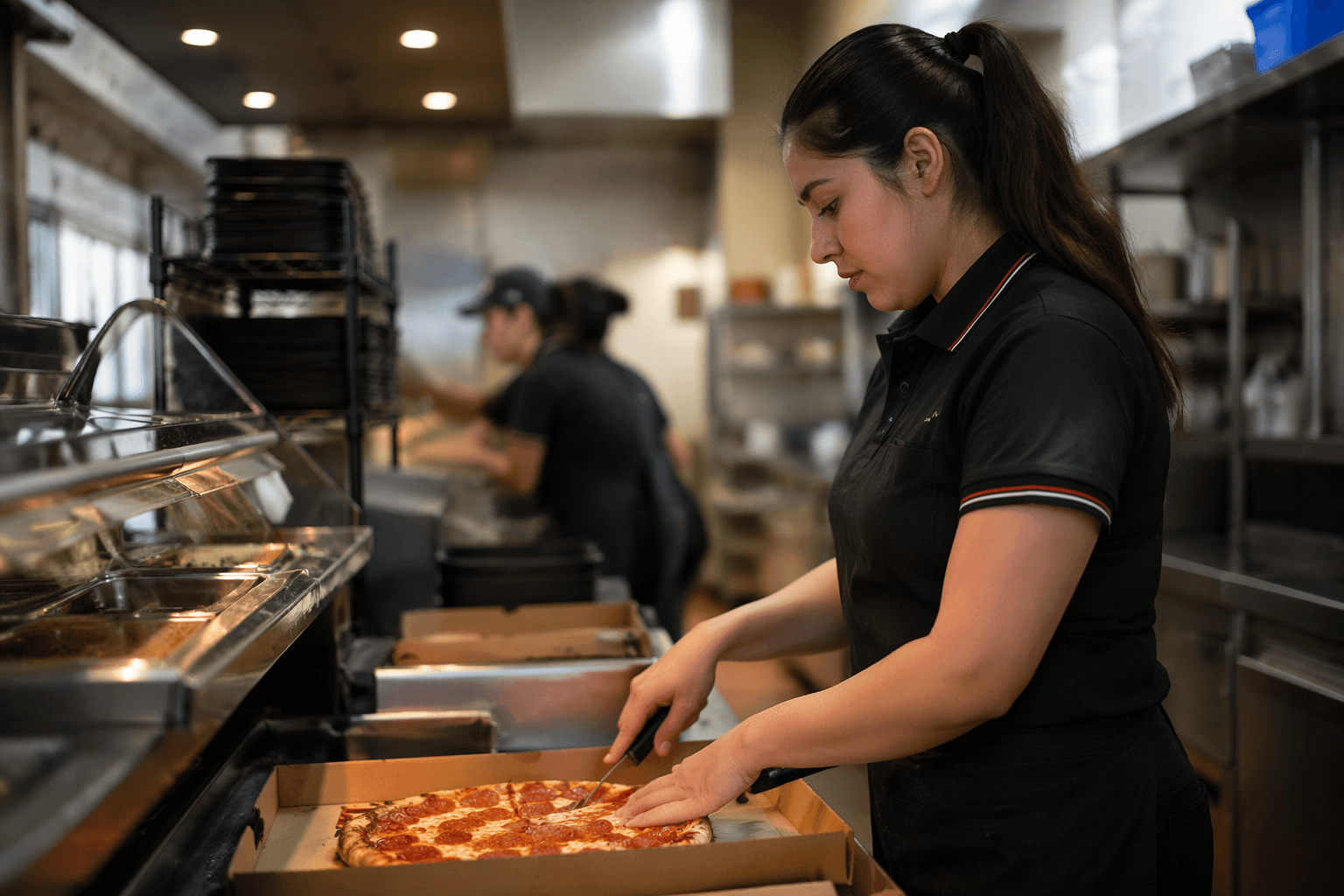
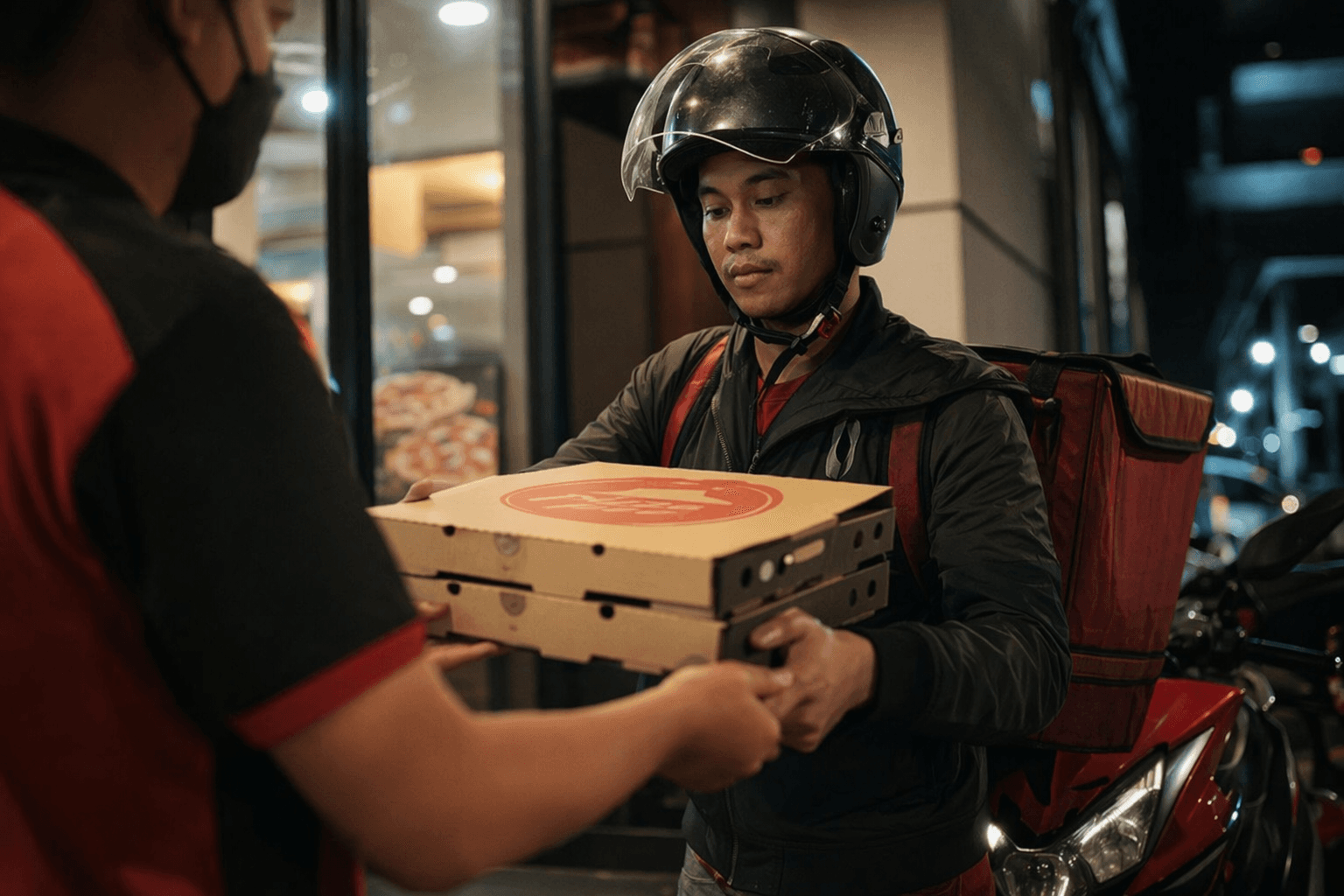
Drivers are not just transporters. At Pizza Hut, they are the last quality-control step before the guest opens the box, which gives them more operational importance than many stores treat them with. Kitchen crew are not just making food either. They are building a product that has to survive the make line, a wait at the rack and, in some cases, a second stop on the route.
That is where small mistakes turn expensive. A box that sits too long, a bag that is packed loosely or a handoff area that mixes tickets can turn one order into a complaint, a remake and a delayed driver loop. For a store leader, the fix is not abstract. It is packaging, order staging, route timing and a layout that makes it hard to mix up the food before it leaves the building.
A store-level playbook for faster, cleaner delivery
The operational lesson is not that Pizza Hut needs a new app or a louder promise. It needs tighter habits that keep the food aligned with the time the guest expects it. The best stores treat delivery like a sequence that starts at the ticket screen and ends only when the driver leaves with a complete, hot order.
- Stage orders by promised time, not by whatever box happens to be closest.
- Keep the handoff area clean and labeled so drivers can confirm pizzas, sides, drinks and dips in one glance.
- Use packaging that protects the crust, keeps toppings in place and holds heat long enough to matter.
- Watch rack time closely. Every extra minute on the rack makes the food less attractive and raises the odds of a complaint.
- Do one last check before dispatch. Missing sides and wrong pies are easy to catch in the store and much harder to fix at the door.
Those basics also protect throughput. A driver who waits on a missing item is not turning another run, and a kitchen team that has to remake a pie is not moving the line forward. In a business built on short windows and repeat orders, a cleaner handoff is one of the cheapest ways to move faster.
Why temperature and packaging matter at Pizza Hut
Pizza Hut, the Yum! Brands chain, says its delivery promise is piping-hot food from most locations, and its U.S. store locator says it has 6,000+ locations. That scale makes execution the real story. A chain can promise hot and fresh food at the front end, but the store has to deliver that promise with the actual box, not with marketing copy.
That also explains why the delivery charge deserves careful handling inside the store. Pizza Hut says the delivery charge is not a driver tip, and that 100% of the delivery fee is retained by the restaurant. Managers should be clear about that distinction, because drivers still have to operate in a business where customer gratuities matter and where service expectations are high. If the store blurs the difference, it risks creating resentment on the floor and confusion at the door.
Traditional Pizza Hut restaurants can also be running dine-in, carryout and delivery at the same time, which makes local management even more important. A busy shift can put pressure on one small make line, one staging table and one set of drivers. The stores that hold up best are usually the ones that do not let delivery get treated as an afterthought once dine-in or carryout starts to pile up.
The brand still knows customers care about heat
Pizza Hut has been telling its own story around temperature and consumer habits for a while. Its 2024 pizza trends survey was commissioned among 5,000 American adults between December 22, 2023 and January 5, 2024, and 74% of respondents called cold leftover pizza a popular choice. That may sound like a quirky marketing detail, but it points to something practical: customers have strong feelings about pizza temperature, and they notice immediately when a delivered pie is not where it should be.
The company has also used its second annual trends report to highlight the brand’s innovation history, pointing to Original Pan Pizza in 1983 and Original Stuffed Crust in 1995 as major milestones. That history matters because it shows how Pizza Hut likes to balance product innovation with operational consistency. The store-level lesson is that innovation only pays off when the delivery basics hold up. If the pie is cold, crushed or missing items, the guest does not remember the menu story.
For shift leaders, the safest path is not more complexity. It is a tighter delivery system built on speed, packaging and taste, with less time for the pizza to cool and less room for the order to go sideways. That is how a Pizza Hut store cuts complaints, keeps drivers moving and protects the business one box at a time.
This article was produced by Prism’s automated news system from verified source data, official records, and press releases, then run through automated quality and moderation checks before publishing. The system is built and supervised by the people who set the standards it runs under. Read our full AI policy.
Did this article answer your question?