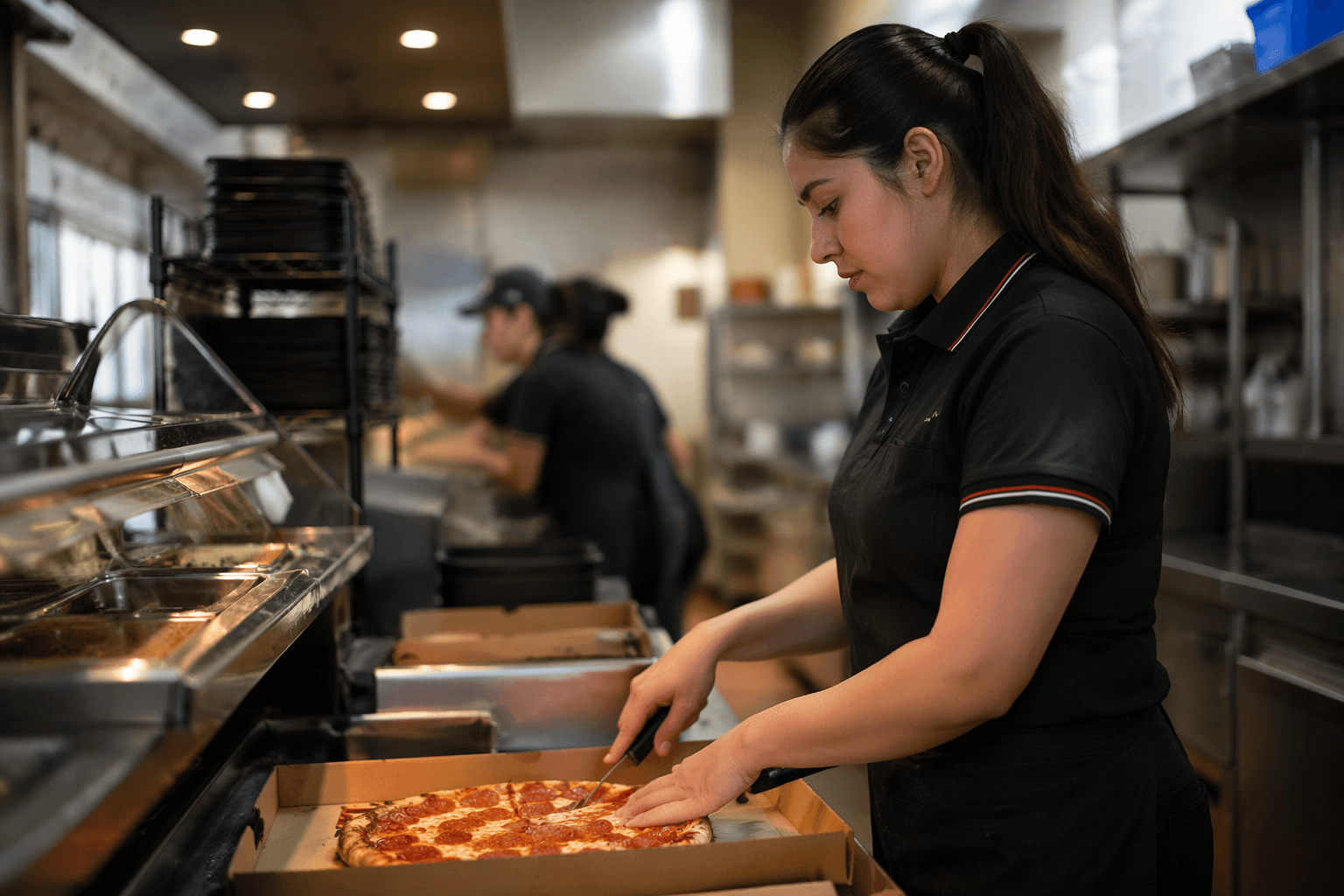
Pizza Hut franchisee lawsuit spotlights AI disruptions and delivery sales losses
Pizza Hut’s AI fight now comes with a $100 million claim, while Papa Johns tests drones and El Pollo Loco posts stronger margins.
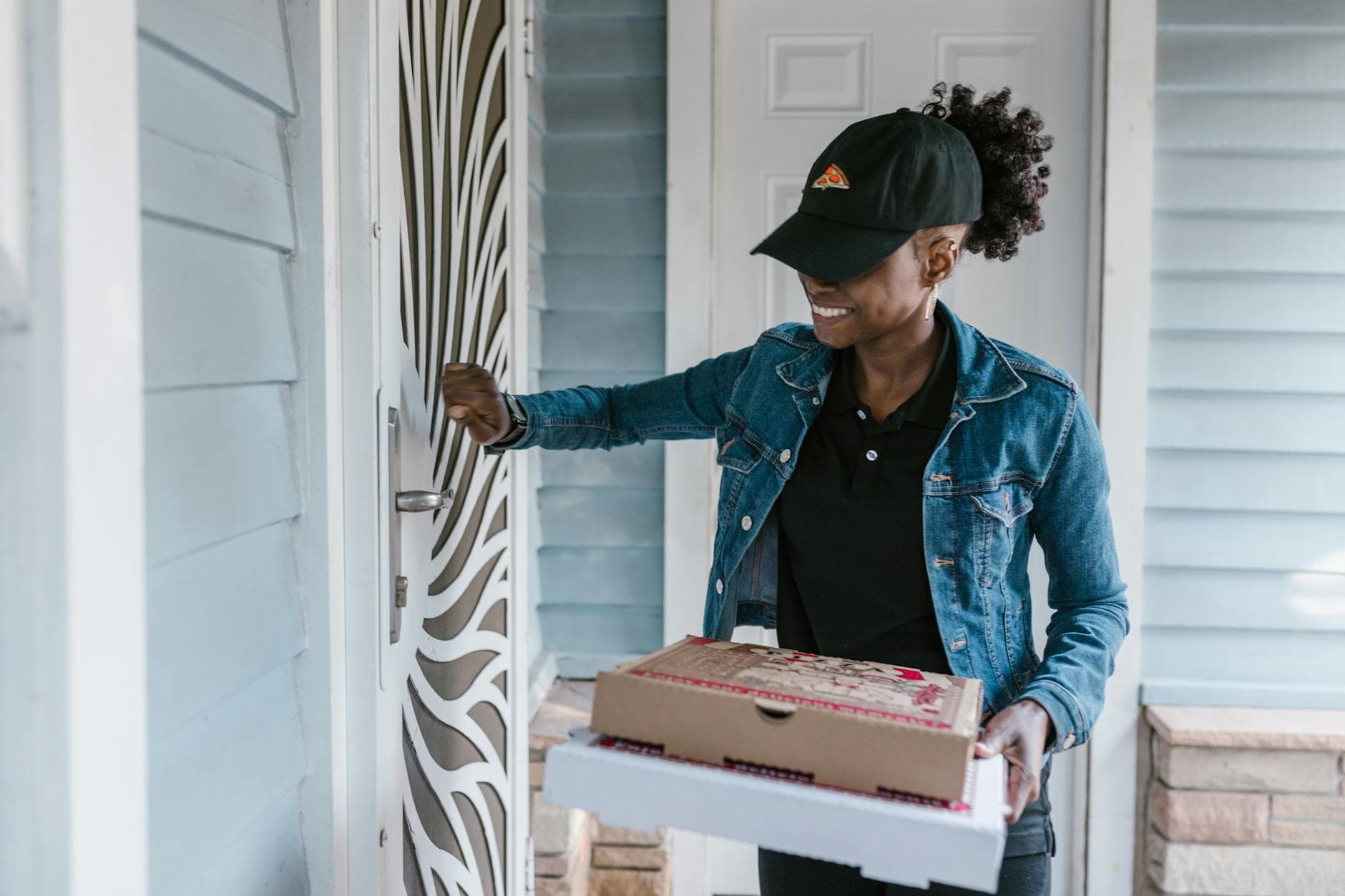
The fastest way a Pizza Hut store gets in trouble may be when the software meant to speed up delivery starts slowing it down. That is the core accusation in a lawsuit from Chaac Pizza Northeast LLC, which says Pizza Hut’s mandatory Dragontail system disrupted operations, hurt delivery sales and cost the franchisee more than $100 million in enterprise value.
Chaac Pizza Northeast operates 111 Pizza Hut locations across New York, New Jersey, Maryland, Pennsylvania and Washington, D.C. The complaint was filed in the Texas Business Court First Division, putting a high-stakes franchise fight over AI-driven kitchen and delivery software into a venue built for complex business disputes. For store managers, the message is blunt: technology that is supposed to improve routing and speed can also become the reason orders pile up, drivers wait and labor costs climb.
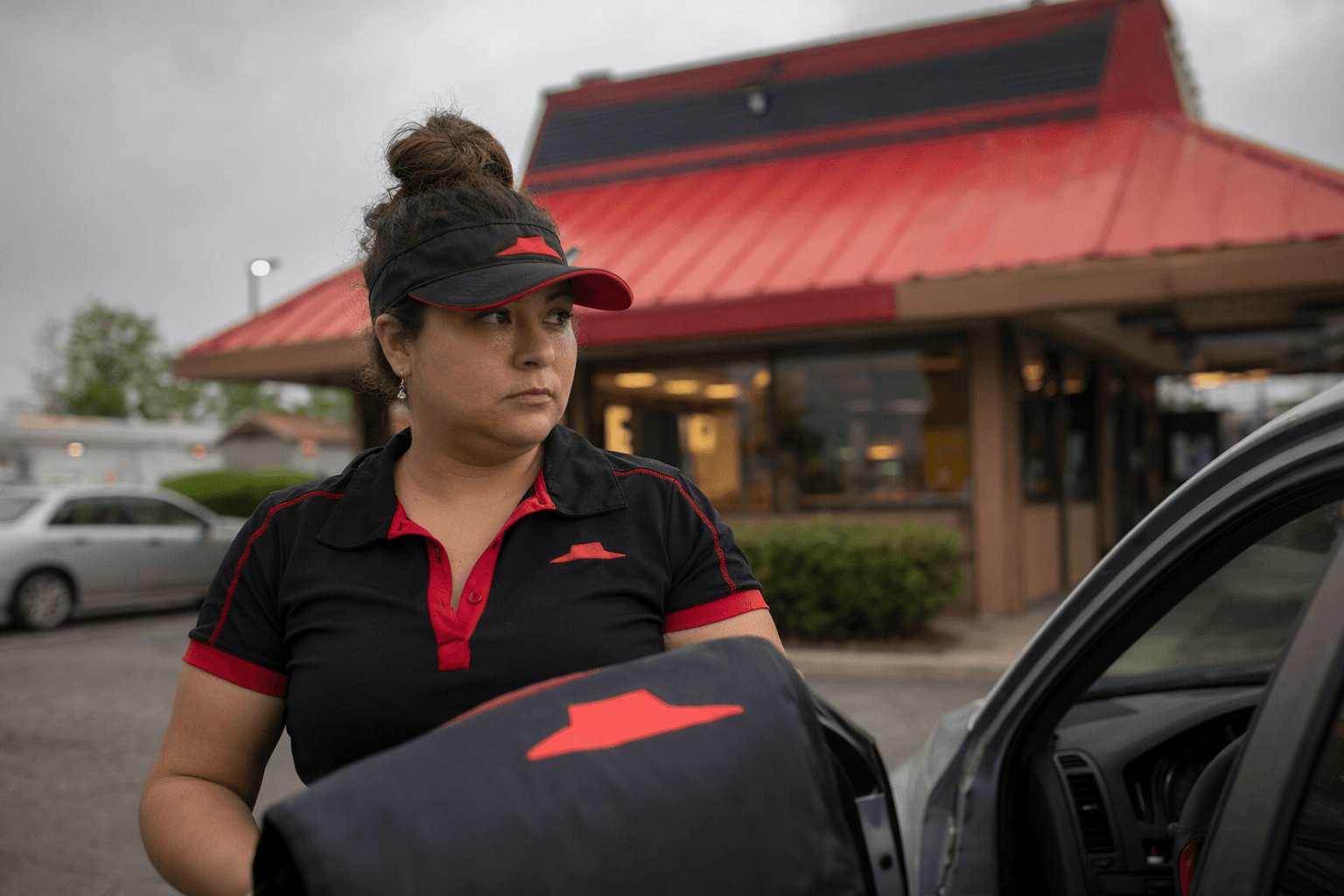
Yum! Brands bought Dragontail Systems in September 2021 for about A$93.5 million, describing it as an AI-enabled kitchen order management and delivery platform for the food business. The company later said the system had been deployed across nearly 1,500 Pizza Hut restaurants in more than 10 countries and that many users saw gains in sales, order fulfillment, customer satisfaction, product freshness and delivery time. The lawsuit turns that promise upside down, arguing that a mandatory rollout became an operational burden instead of a fix.
The timing matters because the rest of the pizza business is still chasing faster, cleaner delivery. Papa Johns and Wing started a drone-delivery pilot in Charlotte, North Carolina, on May 11, running out of a single franchise in Indian Trail near Sun Valley Commons. The test is not even delivering pizza yet. It is starting with three Oven-Toasted Sandwiches, and Wing says the partnership is its first direct deal with a national restaurant brand. That kind of experiment raises the bar on what “fast” looks like, even when the first menu is limited and the service area is small.
At the same time, some chains are proving that tighter operations can still pay off without a headline-grabbing tech stunt. El Pollo Loco reported first-quarter 2026 same-store sales growth of 5.8% and restaurant-level margin expansion of 320 basis points to 19.2%. CEO Liz Williams said the gains came from operating efficiencies, menu pricing, technology investments and cost management. In other words, the brands that are winning are not just buying tools. They are making those tools work in the store.
For Pizza Hut employees, that leaves less room for trial and error. Kitchen crews will feel it in tighter prep timing and less slack when orders miss the mark. Delivery drivers will feel it in cleaner dispatch expectations and more pressure to hit handoff windows. And managers will be the ones expected to prove that every new system, whether it is AI routing or some future drone test, makes the store simpler to run instead of more expensive to rescue.
This article was produced by Prism’s automated news system from verified source data, official records, and press releases, then run through automated quality and moderation checks before publishing. The system is built and supervised by the people who set the standards it runs under. Read our full AI policy.
Did this article answer your question?