Pizza Hut teams urged to build manager bench before vacancies hit
The fastest way a Pizza Hut store gets in trouble is a quit with no backup. Build a bench now, then test it in rushes, closes, and coaching reps.
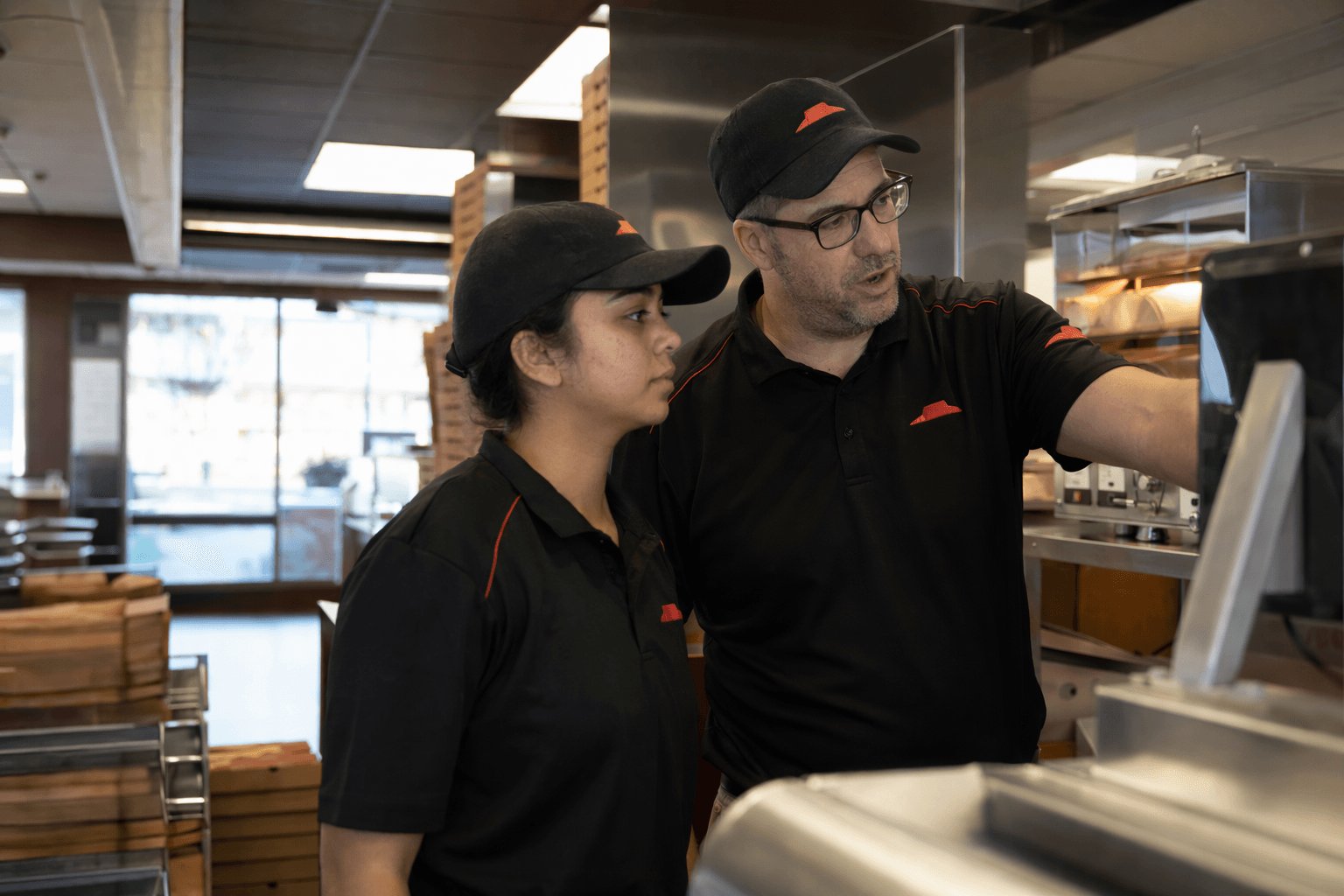
The fastest way a Pizza Hut store gets in trouble is when a shift lead quits and the schedule has no real backup. A dinner rush does not pause for a vacancy, and at a brand built around speed, delivery accuracy, labor control, and people development, one weak link can turn into late orders, burned-out crews, and a manager stuck covering every hole.
That is why succession planning cannot wait for a resignation email or a no-show week. Yum! Brands has said restaurant operations are highly service-oriented and depend on the ability to attract, retain, and motivate qualified employees, including franchisee management, restaurant managers, and crew members. Pizza Hut’s own jobs site says everyone who works in a restaurant plays an important part in the guest experience, and the brand says franchisees are the exclusive employer of restaurant staff and are solely responsible for employment matters in their stores.
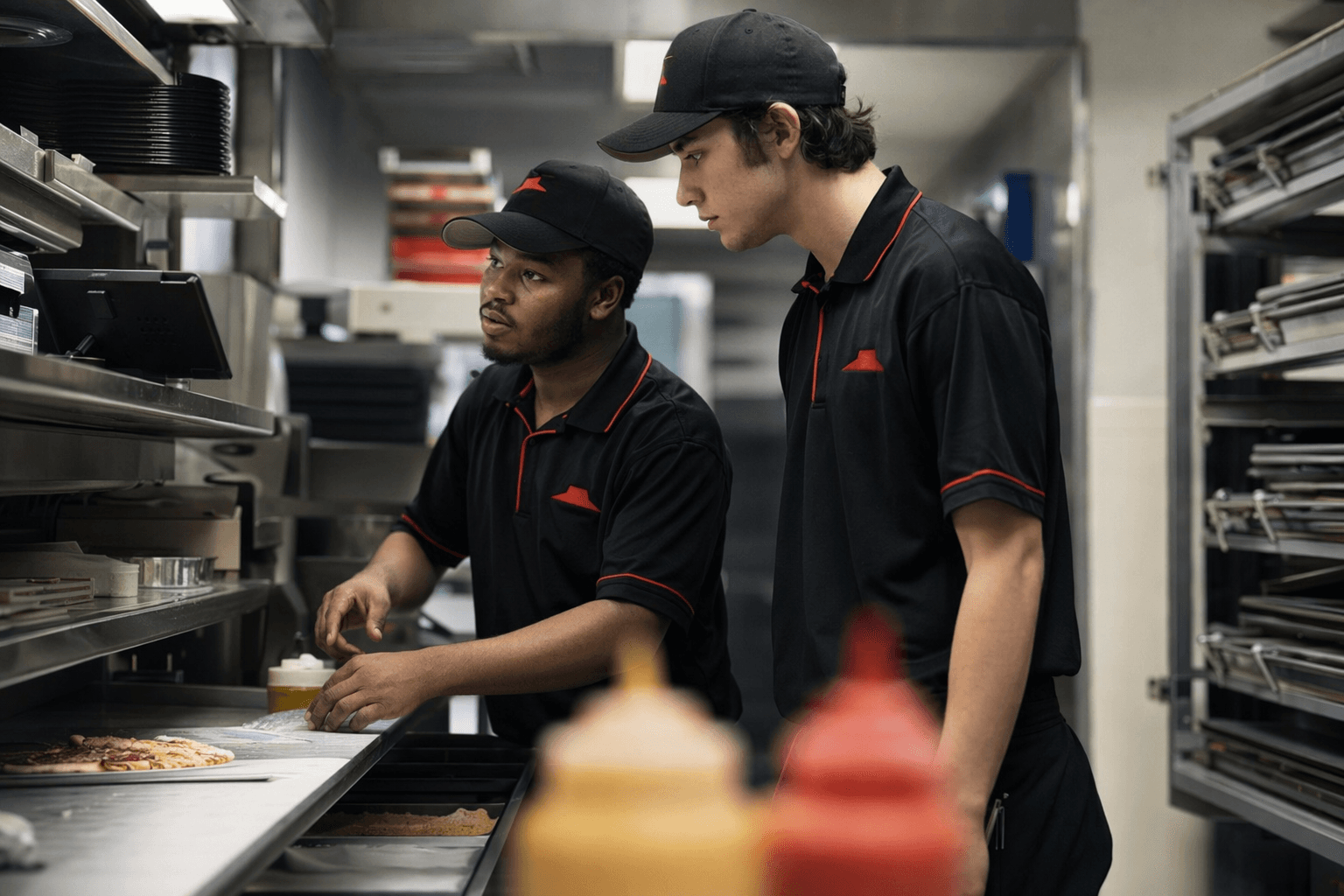
The store-level risk is bigger than one missing shift
Pizza Hut is not a small chain where one operator can improvise through a rough night and move on. The brand says it has 19,942 restaurants worldwide, including 6,600 in the United States, and that it is 99% franchised. It also reported $13.3 billion in global system sales in 2023, with almost 170 million adults seeing a Pizza Hut commercial nearly every week. That scale makes local leadership depth a business issue, not just a people issue.
The company traces its roots to 1958 in Wichita, Kansas, when the Carney brothers borrowed $600 from their mom to open the first restaurant. The chain has gone from a single store to a vast franchise network, but the operating challenge in one location is still familiar: evenings and weekends carry the heaviest volume, and if the general manager is sick, the assistant manager leaves, or a key shift lead is not ready, the entire operation can wobble. In a business where franchise owners may face an initial investment estimate of $579,000 to $2,053,500, coverage gaps are expensive.
What a ready manager candidate actually looks like
The strongest manager candidates are not always the loudest people on the line or the ones who have been there the longest. The better signal is whether they can stay calm when tickets stack up, communicate clearly with the kitchen and delivery side of the operation, and keep standards intact while the store is moving fast. At Pizza Hut, that means being able to see the restaurant as one system, not separate silos.
Look for people who can do more than finish their own station.
- They step in without drama when a teammate falls behind.
- They can explain the next task clearly to a newer worker.
- They understand the numbers that drive labor control and service speed.
- They do not lose their composure when a rush gets messy.
- They can coach others while still doing the job themselves.
That is why internal mobility matters so much. Pizza Hut’s management careers page shows a path from customer service or server roles to assistant manager, general manager, training manager, and area director. That ladder only works if current leaders start spotting potential before a vacancy forces the issue.
Cross-training is the cheapest insurance a store can buy
A store that depends on one person to open, another to close, and a third to handle delivery problems is one bad week away from a scramble. Cross-training has to start early, before the current manager is underwater. The goal is not to turn everyone into a general manager overnight. It is to make sure more than one person can hold the store together if someone quits, gets sick, or transfers out.
The most useful cross-training happens around the moments that break a shift:
- opening and closing routines
- cash handling and basic reconciliation
- labor awareness and schedule reading
- food safety and line discipline
- delivery dispatch and handoff checks
- coaching a new hire during a rush
- handling customer recovery when an order goes wrong
Franchise owners do not have to build that from scratch. Pizza Hut says it provides training resources to franchise owners and team members, but those tools only matter if the local manager turns them into real practice on the floor. A future manager should not just shadow on a quiet Tuesday. That person needs reps on Friday night, on weekends, and during the hours when the store actually makes or loses its reputation.
A 30-60-90 day bench-building plan that starts now
The safest store is the one that names its next two or three leaders before it needs them. In the first 30 days, the current GM should identify the people who want to lead, then map exactly what each one needs to learn. Assign a backup for every critical shift role, and make sure the candidates spend time with both the kitchen and delivery sides of the operation, not just the station they already know best.
In days 31 to 60, move those candidates from observation to responsibility. Let them run a pre-shift huddle, lead a short rush, close with supervision, or handle a basic customer issue from start to finish. This is where a promising team member starts to prove whether they can communicate, coach, and maintain standards when the room gets loud.
In days 61 to 90, give the candidate a broader slice of the business. Let them track labor against sales, manage a shift plan, train a new hire, and own a full service period with check-ins instead of constant rescue. If they can handle the pressure without letting food quality or service slip, they are becoming more than a backup. They are becoming a real bench piece.
Why this matters to drivers, crew, and local managers
For drivers and kitchen crew, a prepared bench means fewer panic schedules, fewer long stretches of understaffing, and fewer nights when one manager is juggling everything while everyone else absorbs the strain. For managers, it means the store can protect service and morale instead of burning out the same reliable people every time a vacancy opens up. For franchisees, it is the difference between a store that absorbs turnover and a store that turns every absence into a crisis.
Pizza Hut’s franchise model puts the responsibility close to the store, where the labor market, the delivery window, and the crew culture all collide at once. The brands that last are the ones that build leadership depth before the emergency. At Pizza Hut, the next vacancy is never as surprising as it feels, and the strongest stores are the ones already ready for it.
Know something we missed? Have a correction or additional information?
Submit a Tip