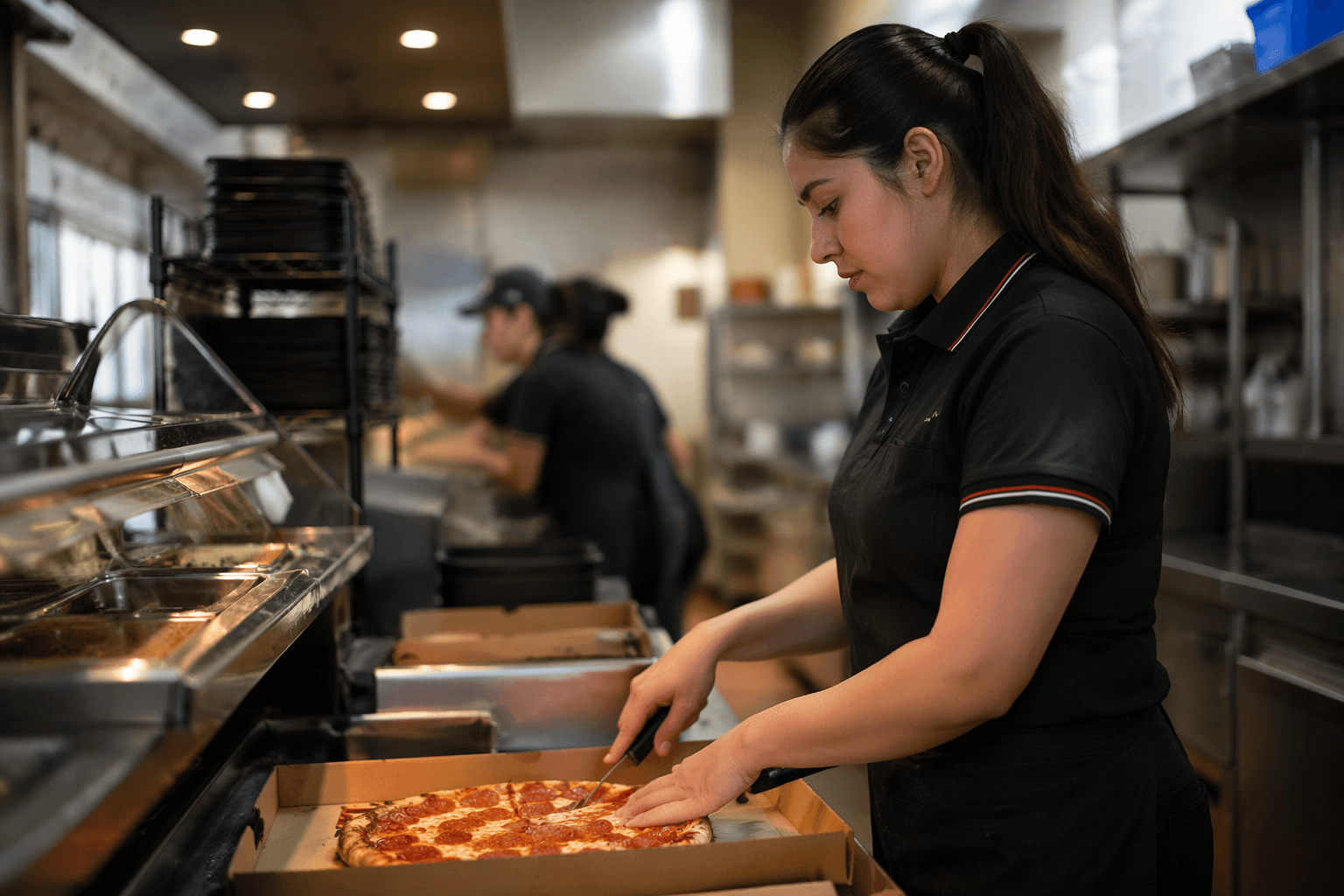
Pizza Hut faces rising delivery fees, pressure to boost margins
Uber Eats' new fee schedule and Pizza Hut's own delivery rules show how commissions, markups and handoffs can eat margin before a pie reaches the door.

Delivery has become a margin fight, not just a volume fight. Pizza Hut stores can collect a delivery fee, but the restaurant itself says that charge is not a driver tip and that 100% of it stays with the restaurant. The problem is that the guest still sees a stack of costs built by several hands: platform commissions, service fees, menu markups and the restaurant’s own discounts or minimums.
Uber Eats sharpened that pressure when it said its U.S. marketplace fee changes took effect March 11, 2026. The platform now lists Lite at 20%, Plus at 25%, Plus at 30% for Uber One member orders, and Premium at 30%, while pickup runs 7% with validated in-store pricing or 10% without it. For a Pizza Hut manager, those numbers are not abstract: they shape how much of an order survives after food cost, labor, packaging and promo spend.
That is why the middleman tax argument lands so hard on delivery teams. Nation’s Restaurant News put the scale of the habit at 38% of Americans ordering delivery each week, but the visible delivery fee is only one piece of the bill. When the customer blames Pizza Hut for the final total, the store often has little control over the platform fee that created the sticker shock.
The local leverage is thinner than the sales pitch suggests. Pizza Hut says most restaurants offer delivery, but delivery areas, charges and minimum purchase requirements vary by location, which means franchisees and general managers still make important choices about how aggressively to push the channel. At the same time, the chain has leaned more on third-party delivery to offset driver shortages, and that can pull more orders away from in-house drivers and toward platforms that own the app, the data and the customer relationship.
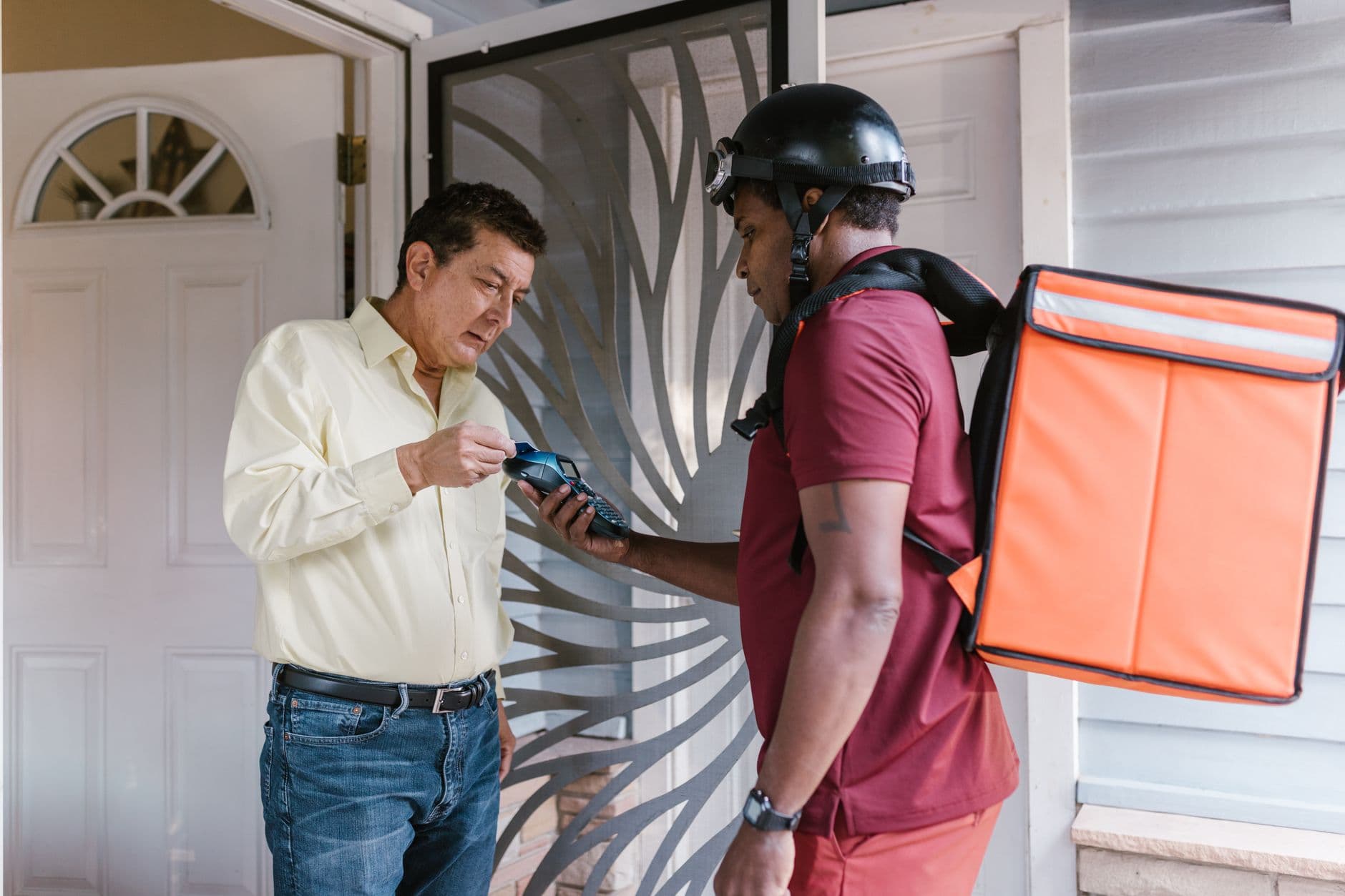
The risk is not just cost. Litigation involving a Pizza Hut franchisee has alleged that a mandatory AI delivery system rollout hurt delivery metrics and helped drive major losses, a reminder that technology can add another layer of handoff risk if it is not matched to store realities. The bigger lesson for Pizza Hut is straightforward: delivery is now a channel strategy, not a magic growth button. If the economics are opaque, higher order counts can still leave stores with thin margins and guests who feel overcharged.
This article was produced by Prism’s automated news system from verified source data, official records, and press releases, then run through automated quality and moderation checks before publishing. The system is built and supervised by the people who set the standards it runs under. Read our full AI policy.
Did this article answer your question?