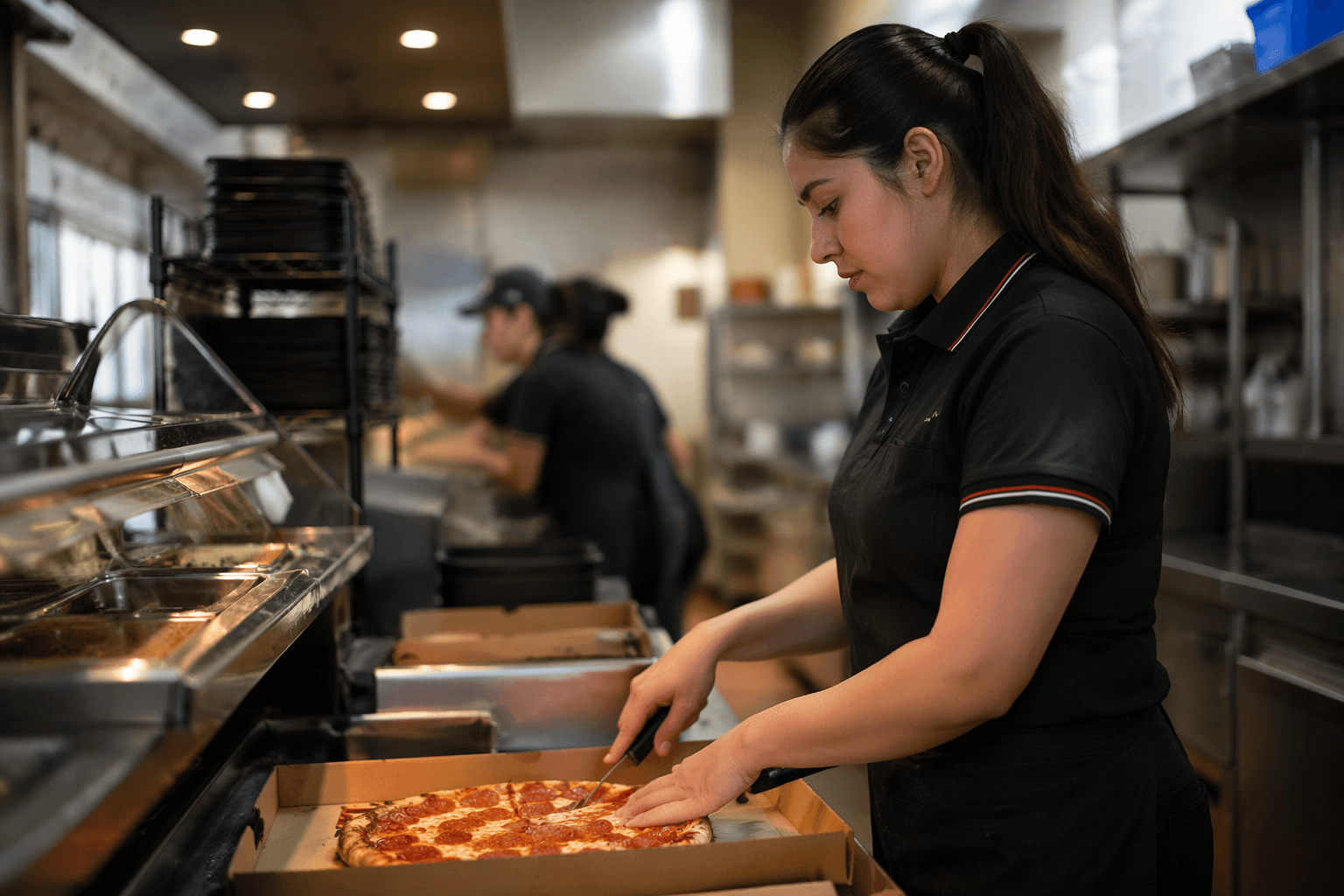
Pizza Hut faces smarter delivery routing as hybrid models grow
Pizza Hut’s delivery edge now depends on smarter dispatch, not just more drivers. The stores that split work cleanly between in-house and app couriers can protect speed, margin, and make-line flow.
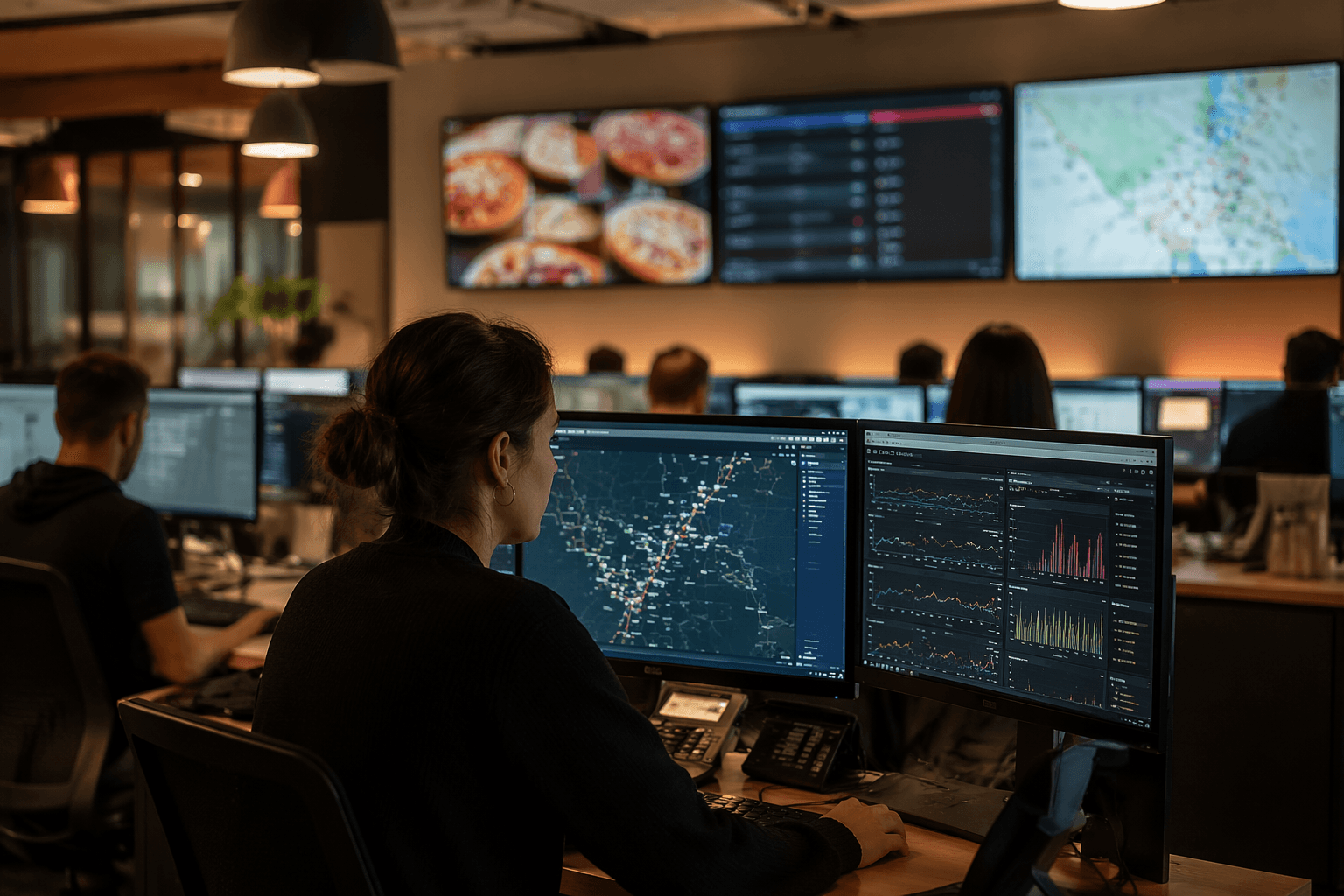
At Pizza Hut, dispatch now decides whether a delivery ticket goes to an in-house driver, a third-party courier, or some mix of both, based on order value, distance, and how much capacity the store has left in the moment. That choice shapes what customers feel at the door, what kitchen crews feel on the line, and how many deliveries managers can push through without breaking the rush.
The core tradeoff in a hybrid fleet
The case for in-house delivery is strongest when the store wants tighter control. A company driver is easier to schedule around peak meal periods, easier to train on local territory, and easier to manage when a large order needs careful handling or a fast callback if something goes wrong. In a pizza shop, that matters because the handoff is part of the product: hot bags, timed exits, and fewer missed items all depend on the store controlling more of the trip.
Third-party delivery fits a different problem. When the store is short on drivers, when an order is headed farther out, or when the make line is already loaded with other tickets, a platform courier can keep the order moving instead of holding up the whole queue. That can protect customer experience and help margin by avoiding overtime, idle kitchen time, and the cost of carrying too many drivers for every peak that might hit. The downside is less control over the last mile, which can mean more variability in arrival times and a weaker connection between the customer and the store team.
For Pizza Hut workers, this is where the job feels different day to day. Drivers can see their runs dry up when the system pushes more volume to DoorDash or Uber Eats. Kitchen crews can feel the shift when the dispatch logic sends fewer bags to the rack, or when the store suddenly throttles orders because the driver pool cannot keep up. Managers are left balancing labor, speed, and ticket quality at the same time, not just filling a schedule.
Why Pizza Hut is built for this fight
Pizza Hut was launched in 1958 in Wichita, Kansas by Dan and Frank Carney, and delivery has always been part of the brand’s identity. The new challenge is that the old model of keeping a small in-house fleet and pushing every order through it no longer matches the volume, geography, and labor pressure of modern pizza.
Pizza Hut’s store formats show how central delivery remains to the chain’s physical footprint. Its DBR prototype is a large-format dine-in, delivery, and carryout store with more than 50 seats, while the delco format is a smaller delivery-and-carryout restaurant with fewer than 50 seats.
The other piece of that modernization is white-label delivery tied into the point-of-sale system. That kind of setup lets the store keep more visibility into the order even when someone outside the payroll is carrying it.
What dispatch changes on the floor
A hybrid model changes when tickets fire, how many bags get staged, and how much pressure lands on the make line during the rush. If dispatch intelligence is strong, the store can hold back low-priority volume, protect high-value orders, and avoid dumping too many tickets on the cut table at once. If it is weak, the store gets either a delivery backlog or a staffing problem dressed up as a technology problem.
The smartest routing decisions protect throughput. A store with enough in-house drivers can keep the fastest, closest, and most quality-sensitive deliveries inside the building. A store that is already short on labor can use third-party couriers as overflow, especially when weather, long distances, or app-driven demand make the route map more complicated than the payroll can handle.
For drivers, that means the flow of work can swing with the weather, labor availability, and outside app demand. For kitchen staff, the make line may suddenly feel calmer or more chaotic depending on how the system is sending orders out. For managers, the question is not just who is available to drive, but how many deliveries the store can safely produce without slowing down food quality or trapping product in the window.
The labor pressure behind the shift
Rising costs of hiring and retaining delivery drivers pushed major pizza chains toward services like DoorDash and Uber Eats, and California made that pressure even sharper when the fast-food minimum wage for large chains rose to $20 per hour. In California Pizza Hut franchise operations, the shift toward third-party delivery affected more than 1,200 jobs across hundreds of stores.
A corporate strategy may be framed as efficiency, but the store-level result can be a reduced driver roster, fewer scheduled hours, or a smaller role for a route team that used to own the dinner rush. Workers feel it first in their hours, their tips, and the number of delivery runs available on a given night. Managers feel it in the way labor costs, customer timing, and dispatch software now collide inside one decision.
What good operators are aiming for
The goal is to route each order to the channel that best fits the moment. High-value orders close to the store may belong with an in-house driver, where the team can protect speed and presentation. Overflow volume, long-distance drops, and labor gaps may belong with a third-party courier, where the store can preserve throughput without overextending the crew.
This article was produced by Prism’s automated news system from verified source data, official records, and press releases, then run through automated quality and moderation checks before publishing. The system is built and supervised by the people who set the standards it runs under. Read our full AI policy.
Did this article answer your question?