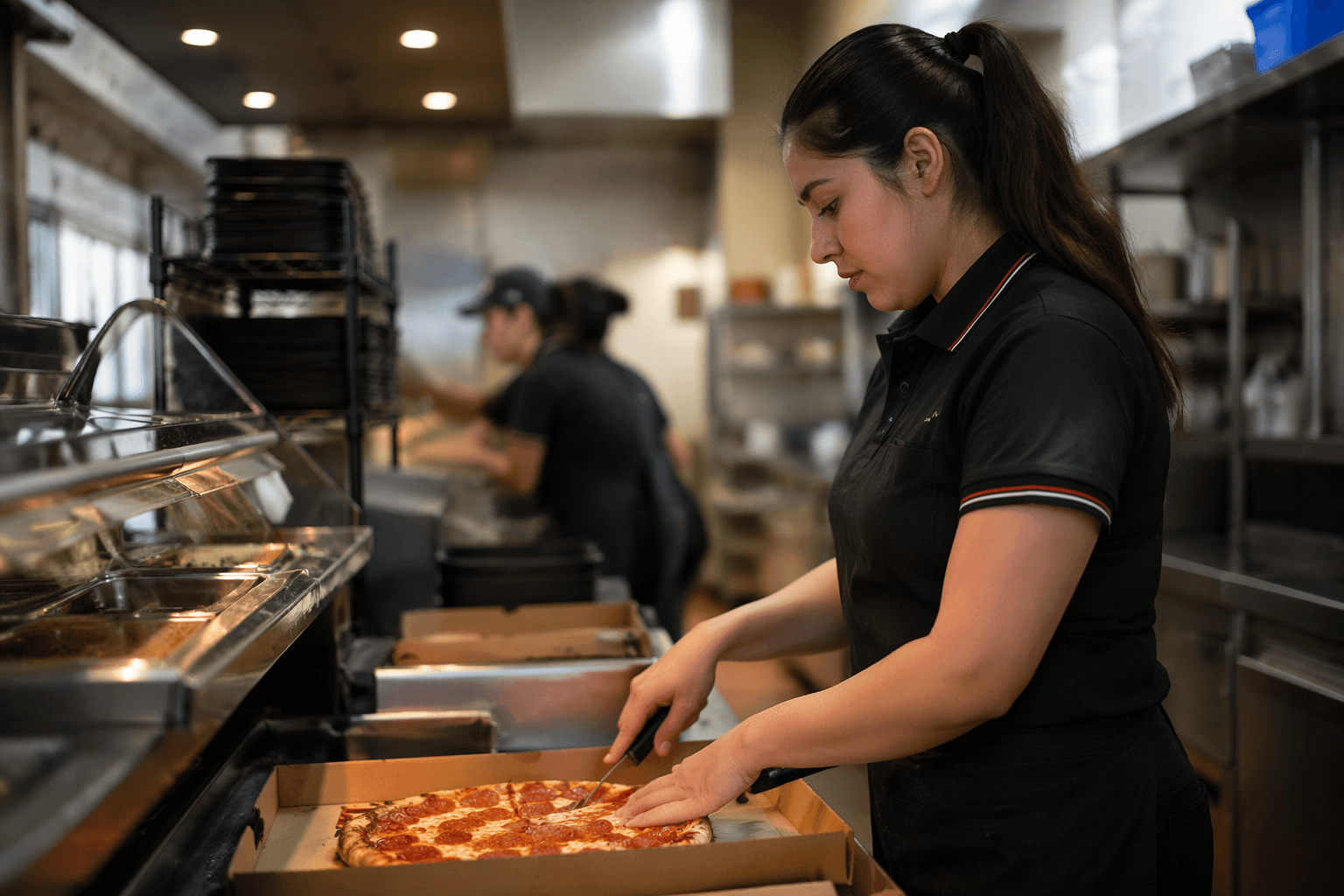
Pizza Hut managers eye drinks, desserts and AI to lift sales
Drinks, dessert add-ons and AI are worth testing only if they raise checks, ease labor or make Pizza Hut the easier order.
The fastest way for a Pizza Hut store to miss the next sales bump is to chase another complicated pizza special while drinks and AI are doing the quieter work.
The clearest signal from the 2026 National Restaurant Association Show was not novelty for its own sake. Restaurants are looking for cost-saving efficiency, labor relief and new traffic engines, and the action was concentrated around beverages, dessert-style add-ons and technology that can move faster than a typical kitchen rush. The show ran at McCormick Place in Chicago from Saturday, May 16 through Tuesday, May 19, 2026, and its official scope covered kitchen equipment, sustainable packaging, plant-based foods, beverages and cutting-edge technology.
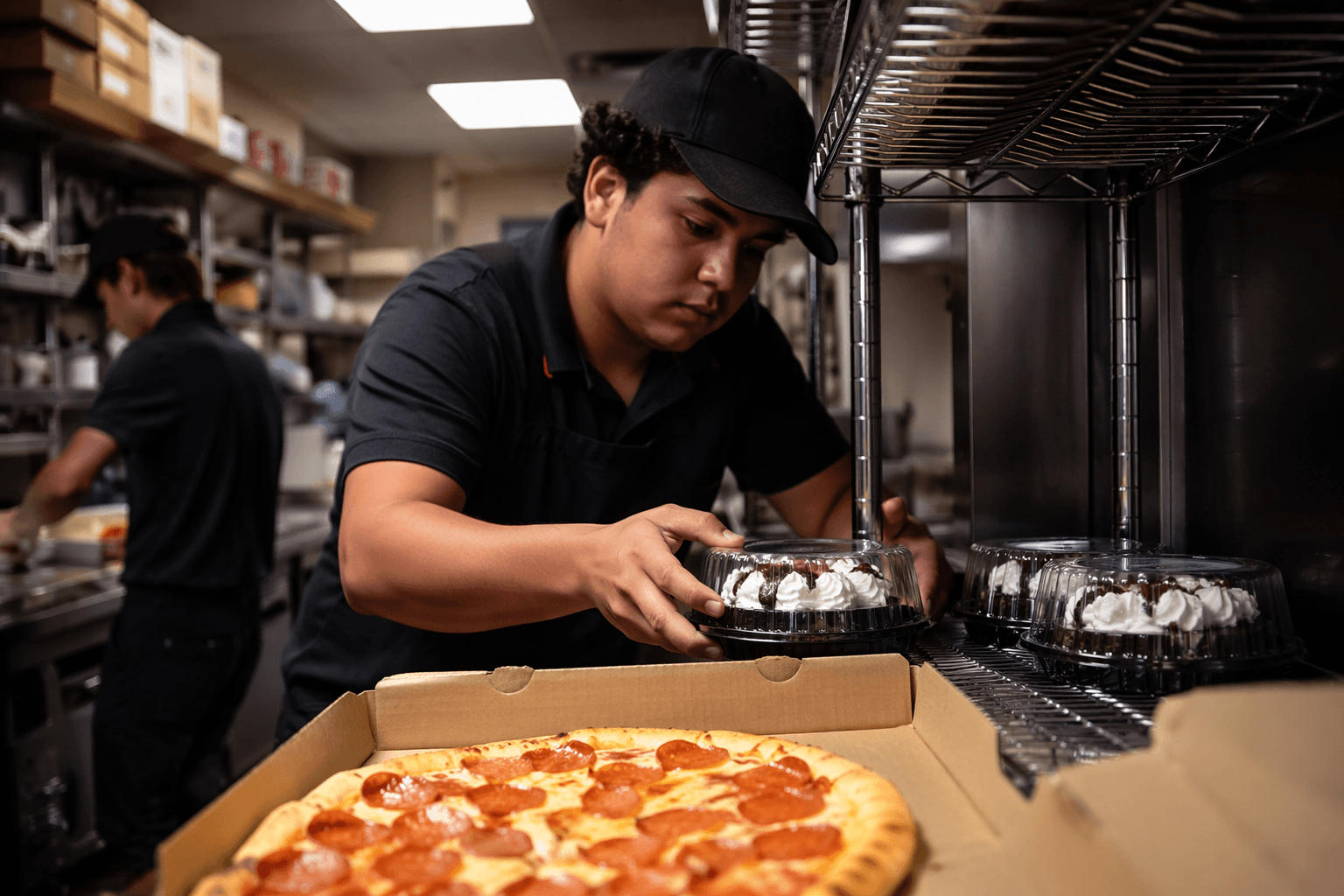
For Pizza Hut managers, that matters because the old instinct to lean on another pizza-only promotion does not solve the real problem. A store wins when it can raise the check without creating chaos on the make line, the driver route or the handoff counter. That means drinks, sweet add-ons and AI should be judged by one standard: do they lift ticket size, reduce labor strain or give someone a better reason to choose Pizza Hut over a competitor?
Beverages are the cleanest traffic test
Drinks got the loudest attention at the show for a reason. Coca-Cola, Pepsi and Keurig Dr Pepper were all pushing more diversified lineups and new dispensing equipment, a sign that beverage innovation is becoming a more serious sales tool rather than a background category. The bigger shift is how operators are using drinks: real-time data, customization and add-on sales are increasingly tied together, which makes beverages one of the simplest places to build incremental revenue.
That is relevant for Pizza Hut because drinks can change the shape of a visit. A family ordering dinner might add beverages if the offer is easy, a late-night order can become a more profitable basket with a single bottle or fountain drink, and lunch can feel more complete when a drink is attached to a slice or personal pan combo. Pizza Hut already treats drinks as part of the normal ordering flow with a dedicated drinks menu, which is the right signal: this is not a side project, it is part of the sales system.
The catch is execution. For delivery drivers, more beverage volume only helps if the packaging is reliable and easy to carry. A leaky cup holder or awkward bottle package can wipe out the benefit with spills, complaints and extra trips back to the car. For store managers, that means testing beverages is not just about flavor variety, it is about whether the add-on survives the road and still feels worth the labor.
Cold foam-style upsells need to earn their place
The show also made clear that the next wave of menu add-ons is about more than plain soda. Cold foam, flavor combinations and treat-like menu items are getting more prominent as operators look for nontraditional dayparts and ways to build the check. That is the key phrase for Pizza Hut teams: nontraditional dayparts. The opportunity is not just dinner, it is the slower lunch window, the late-night rush and the in-between moments when pizza shops are usually fighting for attention.
This is where dessert-style upsells can make sense, but only if they are easy to explain and quick to finish. A sweet add-on has to feel like a natural extension of the order, not a chore for the kitchen or a mystery item that slows down the line. If the product takes too long, gets messy in transit or reads like a gimmick on the screen, it will cost more than it returns.
Pizza Hut has already shown that drinks can be used as a marketing hook as well as a functional add-on. The brand’s official blog has featured a limited-edition Pizza Wine gift set that included a bottle, two branded wine glasses and a wine opener. That kind of stunt is not the model for everyday execution, but it does show the brand understands that beverages can create attention, not just margin. For operators, the useful lesson is narrower: a well-chosen drink or dessert attachment can make the menu feel a little more distinctive without forcing the store into a new operating model.
AI only matters if it saves minutes, not if it adds dashboards
The AI story at the show landed differently from the beverage story, but the business logic is connected. AI was present both in back-of-house operations and in consumer discovery, which means the industry is no longer treating it as a futuristic extra. Yum! Brands has been unusually direct about where it wants AI to go. In 2025, the company said it partnered with NVIDIA to accelerate AI development across its restaurants, and it also launched Byte by Yum!, an AI-driven restaurant technology platform.
For Pizza Hut U.S., the practical use case is concrete: Yum! says Byte by Yum! helps improve delivery times, reduce the time pizzas wait in the restaurant and give guests real-time visibility into where their order is. That is the kind of AI that matters. It is not about a flashy chatbot or a vague promise of efficiency. It is about fewer minutes of dead time, better order flow and less guessing for the customer, the kitchen and the driver.
That matters especially in a delivery-heavy business where DoorDash and Uber Eats are only a tap away. If Pizza Hut can make its own channel faster and more transparent, it has a better chance of keeping the direct order. For drivers, that can mean fewer cold-box delays and fewer awkward waits at the counter. For managers, it can mean less labor wasted on tracking orders manually and fewer problems caused by pies sitting too long before pickup.
What Pizza Hut operators should actually test next
The next 6 to 12 months should not be spent chasing every beverage trend or bolting AI onto every task. The smarter move is to test a few ideas that are easy to measure and hard to fake.
- Build one beverage bundle for each major daypart, then track whether it raises check size without slowing prep or delivery.
- Test one dessert or sweet add-on that travels well and can be attached to high-volume pizza orders without adding line chaos.
- Use AI where it cuts waiting, improves delivery visibility or reduces manual handoffs, not where it creates another screen for the crew to babysit.
- Watch the stores where packaging, speed and add-on mix improve together. Those are the locations where beverage and dessert sales are doing real work, not just adding clutter.
The bigger lesson is simple. Pizza Hut does not need a menu full of stunts to look current. It needs a tighter link between what gets ordered, what gets delivered and what the crew can execute without pain. Drinks, dessert-style upsells and AI are worth the effort only when they make the store easier to run and harder to ignore.
This article was produced by Prism’s automated news system from verified source data, official records, and press releases, then run through automated quality and moderation checks before publishing. The system is built and supervised by the people who set the standards it runs under. Read our full AI policy.
Did this article answer your question?